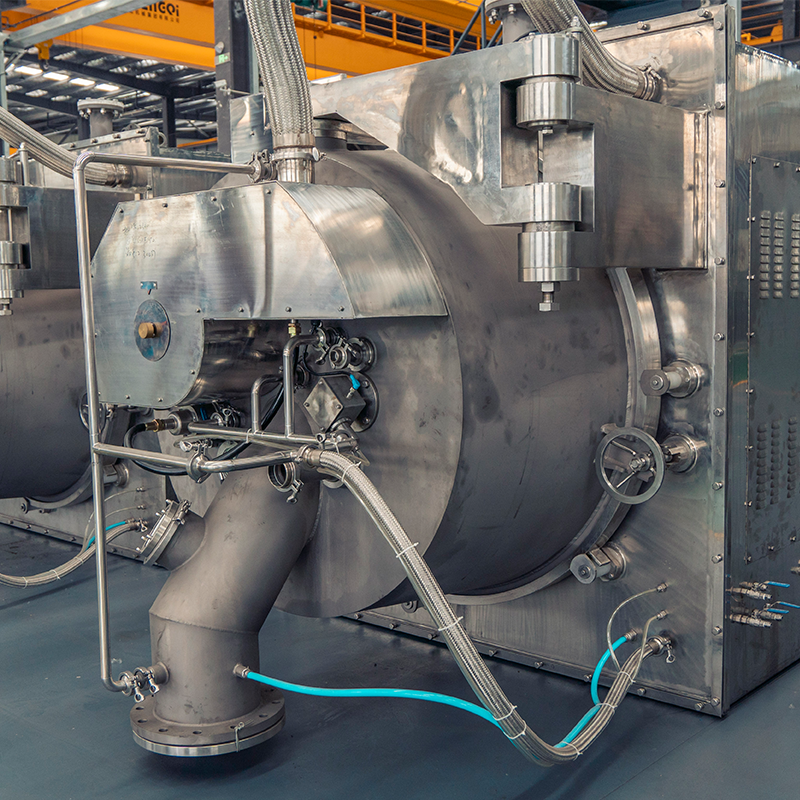
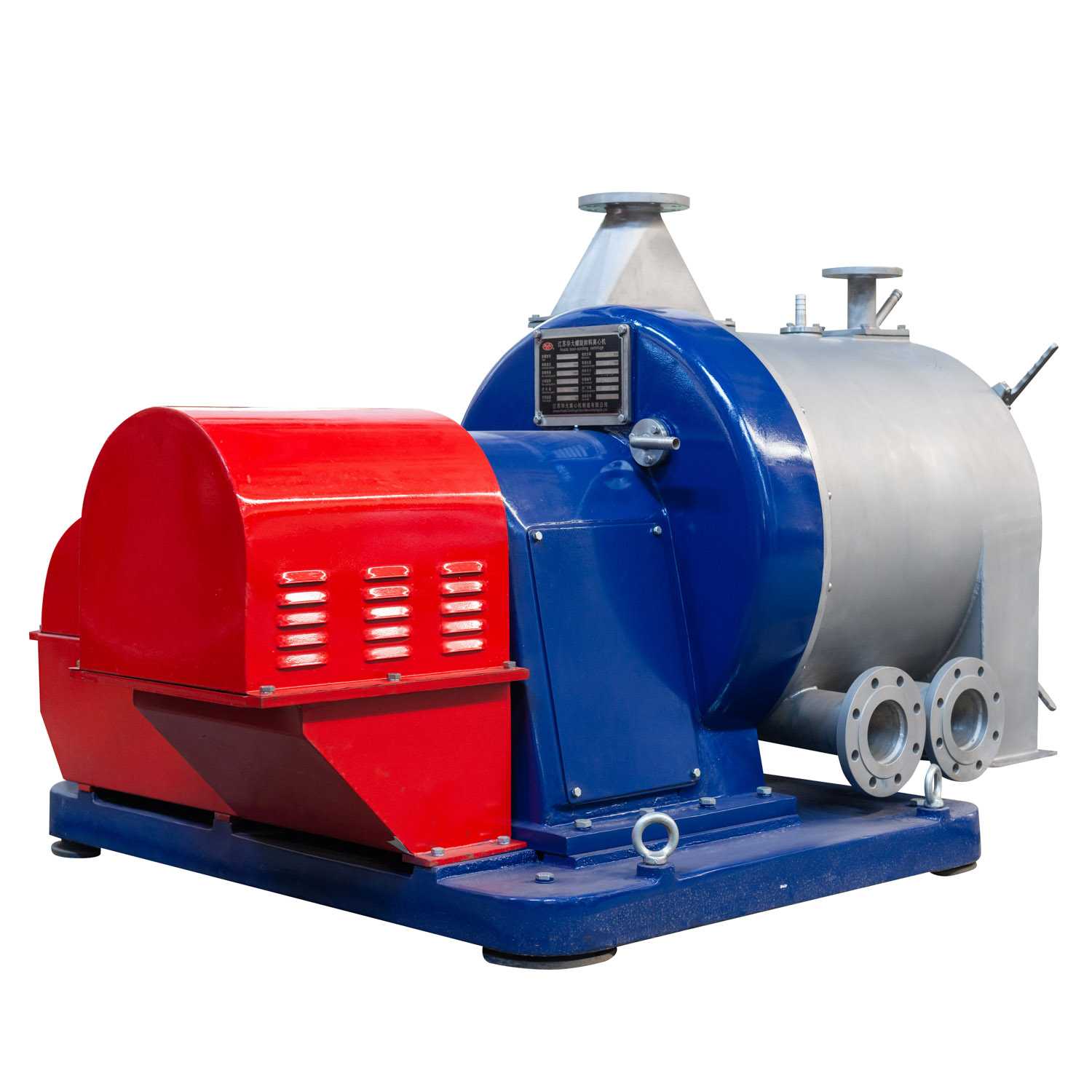
Οι δασμοί εισαγωγής αποτελούν συχνά σημαντικό στοιχείο στο συνολικό κόστος απόκτησης βιομηχανικού εξοπλισμού φυγοκεντρικών μηχανημάτων. Το πραγματικό κόστος υπερβαίνει κατά πολύ την τιμή που αναγράφεται στην ετικέτα της μηχανής. Η κατανόηση του τρόπου υπολογισμού αυτών των δασμών, των περιοχών στις οποίες εφαρμόζονται και των παγίδων που μπορούν να προκαλέσουν απρόσμενα έξοδα διαχωρίζει μια καλά σχεδιασμένη κεφαλαιακή δαπάνη από ένα πρόβλημα για τον προϋπολογισμό.
Ο κωδικός Εναρμονισμένου Συστήματος (HS) αποτελεί το σημείο εκκίνησης για κάθε υπολογισμό δασμού. Για τις περισσότερες βιομηχανικές φυγοκεντρικές μηχανές, ο κωδικός HS εντάσσεται στο Κεφάλαιο 84, το οποίο καλύπτει τις μηχανές και τις μηχανικές συσκευές. Συγκεκριμένα, οι φυγοκεντρικές μηχανές που χρησιμοποιούνται για τον διαχωρισμό υγρού-στερεού στη χημική, φαρμακευτική ή τροφίμων βιομηχανία εντάσσονται συνήθως στην υποκεφαλίδα 8421. Ωστόσο, μια φυγοκεντρική μηχανή που σχεδιάστηκε για την εξαγωγή ζάχαρης από τον καλαμπόκι μπορεί να ταξινομηθεί διαφορετικά από μια άλλη που χρησιμοποιείται για την αποστράγγιση αστικών λάσπων. Η λανθασμένη ταξινόμηση αυτή κατά τη σύνταξη των τελωνειακών εγγράφων μπορεί να οδηγήσει σε καθυστερήσεις, πρόστιμα ή στην εφαρμογή υψηλότερου δασμού με αναδρομική ισχύ από τις τελωνειακές αρχές.
Ένα συνηθισμένο σενάριο στη διεθνή λογιστική αφορά τη μέθοδο αξιολόγησης που χρησιμοποιείται από τις τελωνειακές αρχές. Η μέθοδος της αξίας συναλλαγής, δηλαδή η πραγματική τιμή που καταβλήθηκε ή πρόκειται να καταβληθεί για τον εξοπλισμό, αποτελεί την κύρια βάση στην πλειοψηφία των δικαιοδοσιών που ακολουθούν τις συμφωνίες του ΠΟΕ. Δυσκολίες προκύπτουν όταν πραγματοποιούνται συναλλαγές μεταξύ συνδεδεμένων εταιρειών. Εάν μια εταιρεία εισάγει εμπορεύματα από μητρική ή θυγατρική εταιρεία, οι τελωνειακοί υπάλληλοι εξετάζουν συχνά εάν η τιμή μεταφοράς αντικατοπτρίζει με ακρίβεια την αγοραία αξία. Μια αποστολή τριών μεγάλων αποκεντρωτικών φυγοκεντρικών μηχανημάτων που προορίζονταν για εγκατάσταση επεξεργασίας αστικών λυμάτων αντιμετώπισε αύξηση κατά 15 % στη δηλωθείσα αξία, καθώς το τελωνείο κρίνει ότι το ποσό του τιμολογίου μεταξύ των συνδεδεμένων εταιρειών ήταν χαμηλότερο των αγοραίων κανόνων. Το αποτελούμενο τελωνειακό τέλος, που υπολογίστηκε επί της προσαρμοσμένης αξίας, δημιούργησε σημαντικό, μη προϋπολογισμένο έξοδο.
Οι Συμφωνίες Ελεύθερων Συναλλαγών μπορούν να μειώσουν δραστικά ή να εξαλείψουν εντελώς τα δασμολογικά τέλη για τον εξοπλισμό βιομηχανικών κεντριφούγων, εφόσον συνοδεύεται η αποστολή με την κατάλληλη τεκμηρίωση. Η Ηνωμένες Πολιτείες, για παράδειγμα, έχει Συμφωνίες Ελεύθερων Συναλλαγών με είκοσι χώρες, οι οποίες μπορούν να μειώσουν τους δασμούς επί των μηχανημάτων σε μηδέν. Το πρόβλημα είναι ότι ο εξοπλισμός πρέπει να πληροί τις απαιτήσεις σχετικά με τους κανόνες προέλευσης. Εάν μια κεντριφούγα με οθόνη και σπειροειδές έλικα κατασκευάζεται στην Κίνα με εξαρτήματα που προέρχονται από διάφορες χώρες, ένα ορισμένο ποσοστό της αξίας της πρέπει να προέρχεται από τη ζώνη της Συμφωνίας Ελεύθερων Συναλλαγών για να είναι επιλέξιμη. Σε περίπτωση που δεν υποβληθεί έγκυρο πιστοποιητικό προέλευσης με τον κατάλληλο τρόπο, ο εισαγωγέας καταβάλλει τον τυπικό δασμό «Πιο Ευνοούμενης Εθνικότητας», ο οποίος για τις κεντριφούγες μπορεί να κυμαίνεται από 2,5% έως 5%, ανάλογα με το ζεύγος χωρών. Αυτό το μοναδικό έγγραφο μπορεί να σημαίνει εξοικονόμηση χιλιάδων δολαρίων σε μια αποστολή υψηλής αξίας.
Η επιλογή του εκπροσώπου δασμολογίας διαδραματίζει εξίσου κρίσιμο ρόλο. Ένας έμπειρος δασμολογικός εκπρόσωπος που ειδικεύεται στις βαριές μηχανές μπορεί να εντοπίσει προγράμματα επιστροφής δασμών (duty drawback), στα οποία επιστρέφονται οι δασμοί που καταβλήθηκαν για εισαγόμενα εξαρτήματα που χρησιμοποιήθηκαν σε εξοπλισμό ο οποίος αργότερα εξάγεται. Επίσης, διαχειρίζεται τις δεσμευτικές αποφάσεις (binding rulings), μια διαδικασία κατά την οποία οι εισαγωγείς μπορούν να ζητήσουν επίσημη απόφαση τελωνειακής κατάταξης πριν από την αποστολή των εμπορευμάτων. Αυτό εξαλείφει την εικασία. Μία εταιρεία εισαγωγής εξασφάλισε δεσμευτική απόφαση για έναν ειδικό κεντριφούγο με ανώτερη ανάρτηση, που χρησιμοποιείται στην κρυσταλλική διαχωριστική διαδικασία φαρμάκων. Η απόφαση επιβεβαίωσε την κατάταξή του ως απαλλασσόμενου από δασμούς σύμφωνα με μία συγκεκριμένη υποκατηγορία φαρμακευτικού εξοπλισμού, αποφεύγοντας έτσι έναν πιθανό δασμό 4,2%, ο οποίος είχε εφαρμοστεί σε προηγούμενες αποστολές με λιγότερο σαφή τεκμηρίωση.
Πέρα από το ποσοστό δασμού, στον τιμοκατάλογο προστίθενται επίσης τα τέλη λιμένα, τα τέλη επεξεργασίας εμπορευμάτων και οι φόροι συντήρησης λιμένα. Στις Ηνωμένες Πολιτείες, το Τέλος Επεξεργασίας Εμπορευμάτων ανέρχεται σε 0,3464% της δηλωθείσης αξίας, με ελάχιστο και μέγιστο όριο. Για έναν κοντέινερ που περιέχει δύο βιομηχανικούς κεντριφούγους με δηλωθείσα αξία 180.000 δολαρίων ΗΠΑ, αυτό το τέλος μόνο του ανέρχεται σε πάνω από 623 δολάρια ΗΠΑ. Τα τέλη συντήρησης λιμένα για τις θαλάσσιες μεταφορές αυξάνουν περαιτέρω το συνολικό ποσό. Αυτά τα τέλη είναι αναπόφευκτα, αλλά εντελώς προβλέψιμα με κατάλληλο σχεδιασμό.
| Συστατικό Κόστους | Βάση Υπολογισμού Εκτιμώμενων Τελών | Παράδειγμα για Εξοπλισμό Αξίας 150.000 δολαρίων ΗΠΑ |
|---|---|---|
| Εισαγωγικός Δασμός (MFN 3,7%) | Αξία CIF | $5,550 |
| Τέλος Επεξεργασίας Εμπορευμάτων | 0,3464% της δηλωθείσης αξίας | $519 |
| Τέλος Συντήρησης Λιμένα | 0,125% της αξίας των εμπορευμάτων | $187 |
| Δασμολογική Εγγύηση (Ετήσια) | Βασισμένη στους καταβληθέντες δασμούς | περίπου 500 $ |
| Προμήθεια Μεσιτείας | Ανά είσοδο | $350-$850 |
Ο τρόπος μεταφοράς επηρεάζει επίσης τον υπολογισμό των δασμών. Για αποστολές με αεροπλάνο, το κόστος μεταφοράς πρέπει να συμπεριληφθεί στον υπολογισμό της τελωνειακής αξίας, ενώ για αποστολές με πλοίο οι κανόνες σχετικά με τη συμπερίληψη του κόστους μπορεί να διαφέρουν ανάλογα με τον εφαρμοζόμενο όρο Incoterm. Η επιλογή των όρων CIF αντί των FOB μεταφέρει την ευθύνη για το κόστος μεταφοράς και ασφάλισης, το οποίο στη συνέχεια συμπεριλαμβάνεται στη δασμολογητέα αξία. Σε μια συναλλαγή FOB, το διεθνές κόστος μεταφοράς και ασφάλισης παραμένει χωριστό από την τελωνειακή αξία σύμφωνα με τους περισσότερους εθνικούς κανονισμούς, μειώνοντας έτσι τη βάση επί της οποίας υπολογίζεται ο δασμός.
Η κατάλληλη τεκμηρίωση κάνει περισσότερα από το να επιταχύνει τη διασάφηση. Προστατεύει τον εισαγωγέα σε περίπτωση ελέγχου από την τελωνειακή αρχή. Οι έλεγχοι μπορούν να πραγματοποιηθούν χρόνια μετά την εισαγωγή του εξοπλισμού στη χώρα. Σε μία περίπτωση, ένας εισαγωγέας μηχανημάτων φυγοκέντρισης αντιμετώπισε έλεγχο τρία χρόνια μετά τη διασάφηση των εμπορευμάτων. Η τελωνειακή αρχή αμφισβήτησε την ταξινόμηση κατά τον κωδικό HS. Επειδή η εταιρεία είχε διατηρήσει λεπτομερή τεχνική τεκμηρίωση του προϊόντος, σχέδια μηχανικού που έδειχναν τη συγκεκριμένη λειτουργία της φυγοκέντρισης στην αποστράγγιση κρυσταλλικών πολτών, καθώς και την αρχική αλληλογραφία με τον κατασκευαστή σχετικά με την προβλεπόμενη χρήση του εξοπλισμού, κατάφερε να υπερασπιστεί με επιτυχία την αρχική ταξινόμηση χωρίς πρόστιμο. Όσοι δεν διαθέτουν αυτό το «χαρτί» συχνά καλούνται να καταβάλουν οπισθοδρομικά τέλη, συν τόκους και, κατά περίπτωση, πρόστιμα.
Το σημείο όπου η τεχνική προδιαγραφή συναντά την εμπορική συμμόρφωση είναι εκείνο όπου δημιουργείται ή χάνεται αξία. Ένας κεντριφούγος που εντάσσεται σε χαμηλότερο δασμολογικό ποσοστό λόγω της εφαρμογής του σε μία συγκεκριμένη βιομηχανία μπορεί να περιορίζει την επιχειρησιακή ευελιξία. Ωστόσο, ένας κατασκευαστής που κατανοεί τις παγκόσμιες εμπορικές απαιτήσεις και μπορεί να προμηθεύσει μία μηχανή με την κατάλληλη τεχνική τεκμηρίωση από την αρχή αποτελεί στρατηγικό περιουσιακό στοιχείο, και όχι απλώς έναν προμηθευτή. Για παράδειγμα, ο κεντριφούγος HuaDa έχει δημιουργήσει φήμη για την παροχή λεπτομερών προδιαγραφών και τεχνικών αρχείων που υποστηρίζουν την ακριβή ταξινόμηση στον κωδικό HS, απλοποιώντας τη διαδικασία εισαγωγής για τους αγοραστές στη Βόρεια Αμερική και την Ευρώπη. Οι ομάδες αγορών που συνεργάζονται με προμηθευτές οι οποίοι κατανοούν τόσο τη μηχανική όσο και την τεκμηρίωση μειώνουν τον κίνδυνο να ακυρωθεί ένα κεφαλαιακό έργο λόγω καθυστέρησης από την τελωνειακή αρχή.
 Επικαιρότητα
Copyright © 2025 Jiangsu Huada Centrifuge Co., Ltd. All Rights Reserved Πολιτική απορρήτου
Διεύθυνση: Οδός Qigan No. 88, Κομοπολιά Yangshe, Πόλη Zhangjiagang, Επαρχία Jiangsu, Κίνα
Copyright © 2025 Jiangsu Huada Centrifuge Co., Ltd. All Rights Reserved Πολιτική απορρήτου
 EN
EN
 AR
AR
 HR
HR
 CS
CS
 DA
DA
 NL
NL
 FI
FI
 FR
FR
 DE
DE
 EL
EL
 HI
HI
 JA
JA
 KO
KO
 NO
NO
 PL
PL
 PT
PT
 RO
RO
 RU
RU
 ES
ES
 SV
SV
 TL
TL
 ID
ID
 LT
LT
 SR
SR
 SK
SK
 UK
UK
 VI
VI
 HU
HU
 TH
TH
 TR
TR
 FA
FA
 MS
MS
 IS
IS
 LO
LO
 LA
LA
 MN
MN
 MY
MY
 KK
KK
 UZ
UZ
 IT
IT