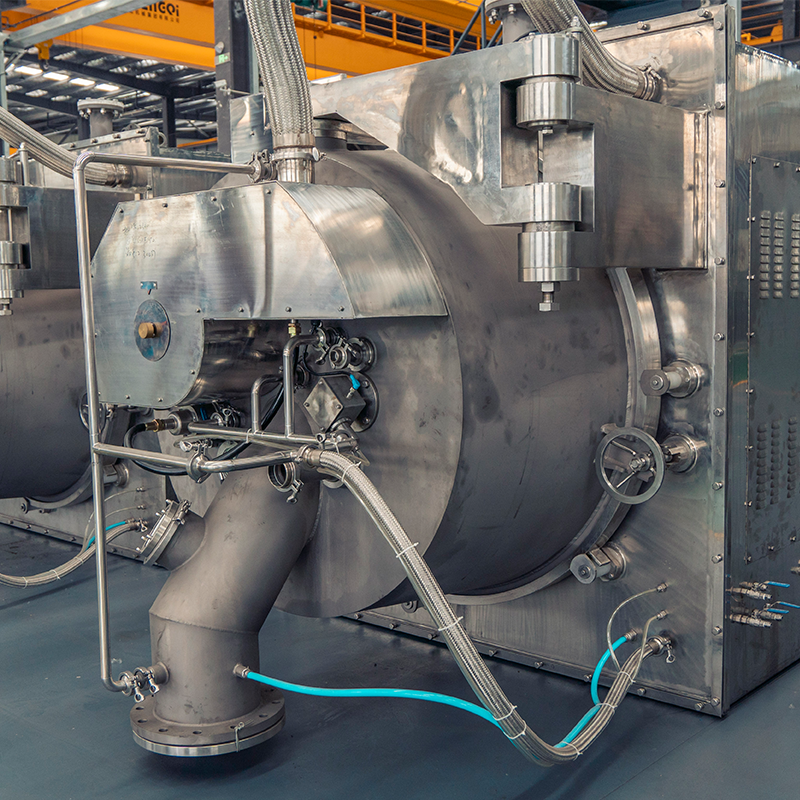
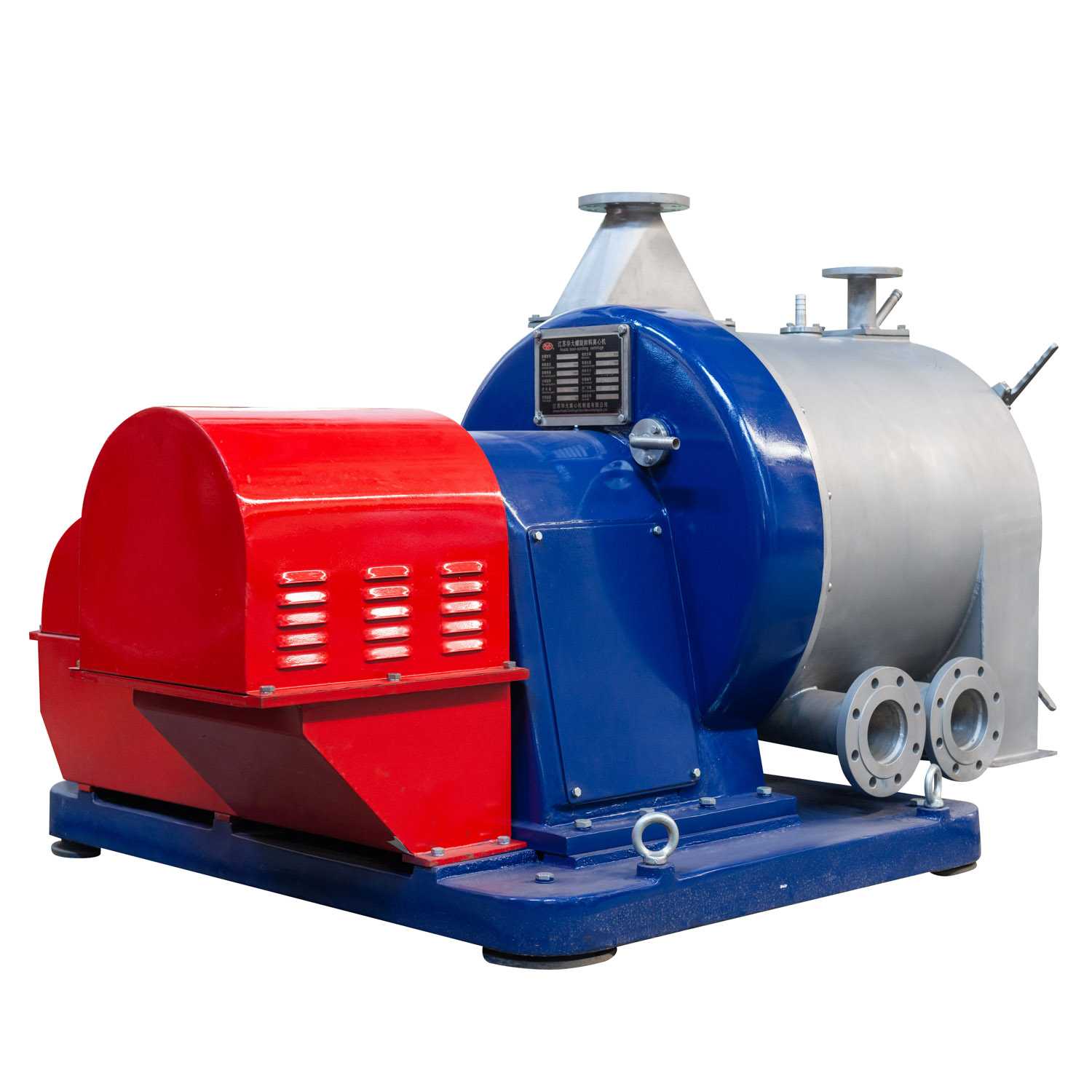
سانتریفیوژ کرمصفحهای نقش بسیار خاصی در جداسازی جامد-مایع ایفا میکند. این دستگاه در شرایطی عملکرد بهینه دارد که جامدات بلوری، نسبتاً درشت و قابل تخلیهی آسان باشند. برخلاف سانتریفیوژ نوع دیکنتر که بر پایهی تهنشینی عمل میکند، کرمصفحهای جامدات را روی یک صفحهی استوانهای میراند در حالی که مایع مادر از شکافهای صفحه عبور میکند. این تفاوت مکانیکی بدین معناست که ظرفیت تولید نه بر اساس نیروی گرانشی (G-force) یا عمق حوضچه، بلکه بر اساس ظرفیت هیدرولیکی صفحه، توانایی انتقال جامدات توسط پیچ و ویژگیهای لایهی بلوری تشکیلشده در مقابل سطح صفحه تعیین میشود.
اپراتورهایی که با این تجهیزات آشنا هستند، به سرعت متوجه میشوند که اعداد نامبرد (نامپلیت) مربوط به ظرفیت عبوری تنها نقطه شروعی هستند. ظرفیت نامی معمولاً فرض میکند که مواد اولیه ورودی به صورت سوسپانسیونی با غلظت مشخصی، توزیع اندازه بلورهای یکنواخت و مایع مادری با ویسکوزیتهای معین تأمین میشوند. در عمل، یک کارخانه تولید کلرید پتاسیم ممکن است نوسانی حدود بیست درصدی در ظرفیت عبوری بین فصل تابستان و زمستان مشاهده کند که صرفاً ناشی از تغییر ویسکوزیته مایع مادری در اثر نوسان دمای آب خنککننده است. درک این موضوع که کدام عوامل واقعاً بر ظرفیت تأثیرگذار هستند، باعث تبدیل یک خط تولید با گلوگاه به یک خط کارآمد و بدون اختلال میشود.
خود صفحه نمایش بزرگترین عامل مؤثر بر ظرفیت تولید است. سطح باز آن، عرض شیارها و مقاومت آن در برابر انسداد، حداکثر نرخ عبور مایع از آن را تعیین میکنند. صفحه نمایش سیمی شیبدار با شیارهای ۰٫۱ میلیمتری، فیلترات بسیار شفافی تولید میکند، اما نرخ عبور مایع را محدود میسازد. افزایش عرض شیارها به ۰٫۲۵ میلیمتر میتواند ظرفیت تولید را در همان دستگاه دقیقاً ۳۰ تا ۵۰ درصد افزایش دهد، هرچند این امر با اجازه دادن به ذرات ریزتری برای عبور همراه با مایع همراه خواهد بود. انتخاب بین شفافیت و ظرفیت نشانهای از طراحی نامناسب دستگاه نیست؛ بلکه یک انتخاب عمدی و متعادل است که باید با فرآیندهای بعدی همسو باشد. اگر مایع مادر دوباره به کریستالیزور بازگردانده شود، عبور مقداری ذرات ریز اغلب قابل قبول است. اما اگر این مایع مستقیماً به سیستم تصفیه تخلیه شود، نیاز به صفحه نمایشی با دقت بالاتری وجود دارد.
انتخاب مادهٔ صفحه نمایش لایهای اضافی را به این فرآیند میافزاید. صفحات نمایش از جنس فولاد ضدزنگ استاندارد هستند، اما مایعات خورنده نیازمند آلیاژهای دوگانه یا حتی تیتانیوم میباشند. در یک واحد تولیدی که سولفات آمونیوم را در pH پایین پردازش میکرد، ظرفیت تولید طی هجده ماه بهصورت تدریجی و با علتی نامشخص کاهش یافت. با بازرسی مشخص شد که صفحهٔ نمایش استاندارد از جنس فولاد ضدزنگ ۳۰۴ در امتداد درزهای جوش آن دچار خوردگی انتخابی شده بود که بهتدریج عرض موثر شیارها را کاهش داده بود. جایگزینی این صفحه با صفحهای از جنس فولاد ضدزنگ ۳۱۶L با همان ابعاد اسمی شیار، ظرفیت اولیه را بلافاصله بازگرداند. از فاصله دور این صفحه سالم به نظر میرسید، اما اثر تجمعی خوردگی در سطح ریزدانه بهصورت نامحسوسی عملکرد دستگاه را مختل کرده بود.
در داخل سانتریفیوژ حلزونی صفحهای، پیچ نهتنها جامدات را جابهجا میکند، بلکه کیک را فشرده میسازد تا رطوبت اضافی آن خارج شود و زمان تماس جامدات با صفحه را کنترل میکند. گام پیچ، ارتفاع پره و تعداد شروعهای پیچ همه بر ظرفیت عبور تأثیر میگذارند. یک پیچ تکشروع با گام تنگ، زمان آبگیری را به حداکثر میرساند اما نرخ انتقال حجمی را محدود میکند. از سوی دیگر، یک پیچ دوشروع با گام پرقدرتتر میتواند نرخ پردازش جامدات را تقریباً دو برابر کند، هرچند کیک معمولاً مرطوبتر خارج میشود. هنر در اینجا در تطبیق هندسه پیچ با عادت کریستالی است. کریستالهای سوزنیشکل بهگونهای متفاوت از کریستالهای مکعبی فشرده میشوند و هندسهای از پیچ که برای یک شکل کریستالی عالی عمل میکند، ممکن است برای شکل دیگری فشار بیش از حد اعمال کرده و صفحه را مسدود سازد.
نحوه ورود سوسپانسیون به سانتریفیوژ تعیینکننده این است که آیا کل سطح صفحه مشبک بهصورت مؤثر کار میکند یا خیر. یک توزیعکننده نامتعادل جریان، یک طرف سبد را سرریز میکند در حالی که طرف دیگر با بار ناکافی کار میکند. نتیجه این وضعیت ظاهری شبیه به دستگاهی است که تنها شصت درصد از ظرفیت واقعی خود را دارد؛ در طرف بارگذاریشده بیش از حد، شفافیت فیلترات (سیال عبوری) پایین است و در طرف دیگر، بخشی از سطح صفحه مشبک بدون استفاده باقی میماند. توزیعکننده جریان، چه بهصورت مخروطی چرخان یا چه بهصورت منحرفکننده ایستا باشد، نیازمند بازرسی و پاکسازی دورهای است. در یک واحد تولید پتاس، ظرفیت یک سانتریفیوژ حلزونی مشبک بهتدریج در طی چند ماه کاهش یافته بود. علت این کاهش، تشکیل یک لایه سختشده از ذرات ریز فشرده روی مخروط توزیعکننده بود که جریان سوسپانسیون را بهاندازه چند درجه منحرف میکرد. پاکسازی مخروط در کمتر از یک ساعت ظرفیت دستگاه را بهطور کامل بازگرداند و هیچ تنظیم مکانیکیای لازم نبود. این مورد یادآوریکننده این نکته است که اغلب اجزای ساده و فراموششده، عملکرد تولیدی تجهیزاتی که از نظر ساختاری بسیار مستحکم هستند را تعیین میکنند.
| پیکربندی پیچ | دبی معمول جامدات خشک | محدوده رطوبت کیک | نوع بلور مناسبترین |
|---|---|---|---|
| تکشروع، گام ریز | ۸۰۰ تا ۱۲۰۰ کیلوگرم در ساعت | 4–7% | ریز، زهکشی آهسته |
| دوشروع، گام متوسط | ۱۵۰۰ تا ۲۲۰۰ کیلوگرم در ساعت | 6–10% | متوسط، زهکشی متوسط |
| دوشروع، گام درشت | ۲۵۰۰ تا ۳۵۰۰ کیلوگرم در ساعت | 8–14% | درشت، زهکشی آزاد |
غلظت تغذیه یک عامل ظرفیتی است که بهراحتی نادیده گرفته میشود، زیرا در بالادست سانتریفیوژ قرار دارد. گلولهای با ۴۰ درصد جامدات که به سانتریفیوژ میرسد، صفحهی غربال را با مقدار قابلتوجهی کمتری از مایع نسبت به همان دبی جرمی با ۲۵ درصد جامدات بارگیری میکند. اگر مهندس فرآیند برای بهبود انتقال در خطوط لوله، گلوله را رقیق کند، این تصمیم مستقیماً ظرفیت مؤثر سانتریفیوژ حلزونی غربال را کاهش میدهد. نصب یک هیدروسایکلون پیش-ضخیمکننده در بالادست میتواند غلظت تغذیه را افزایش دهد و بهطور مؤثر ظرفیت سانتریفیوژ را بدون تغییر هیچیک از پارامترهای آن افزایش دهد. این سایکلون افت فشار و هزینهی سرمایهای ناچیزی ایجاد میکند، اما افزایش ظرفیت در سانتریفیوژ اغلب هزینهی این اصلاح را چندین بار جبران میکند.
ظرفیت تولید سانتریفیوژ حلزونی صفحهای در روز راهاندازی تنها نیمی از داستان است. آزمون واقعی این است که آیا این ظرفیت ماهها پس از ماه حفظ میشود یا خیر؛ زیرا در طول زمان، صفحات ساییده میشوند، ویژگیهای مواد تغذیهکننده تغییر میکند و فرآیندهای بالادستی دستخوش تحولاتی میشوند. مشخصکردن دستگاهی با سطح صفحهای مناسب، مواد مقاوم در برابر خوردگی که با شیمی فرآیند هماهنگ باشند، و هندسهی پیچی که برای محدودهی واقعبینانهای از اندازههای بلور طراحی شده است، به عملیات اجازه میدهد تا نوسانات را جذب کند. شرکت هوادا سانتریفیوژهای حلزونی صفحهای را با طیفی از آلیاژهای صفحه و پیکربندیهای پیچ ارائه میکند که از تجربیات میدانی در صنایع فرآیندی مختلف توسعه یافتهاند. برای تیمهای تولیدی که موفقیت را بر اساس تنها وزن روزانهی ثابت (تن در روز) و نه بر اساس عملکرد اوج در شرایط ایدهآل ارزیابی میکنند، این پایهی مهندسی ویژهی کاربردی تأثیر ملموسی بر خروجی بلندمدت دارد.
 اخبار داغ
کلیه حقوق محفوظ است © 2025 شرکت جیانگسو هوا دا سنتیفیوژ. همه حقوق این شرکت محفوظ است سیاست حفظ حریم خصوصی
شماره 88، جاده قیان، شهرک یانگشئ، شهرستان زانگجیاگانگ، استان جیانگسو، چین
کلیه حقوق محفوظ است © 2025 شرکت جیانگسو هوا دا سنتیفیوژ. همه حقوق این شرکت محفوظ است سیاست حفظ حریم خصوصی
 EN
EN
 AR
AR
 HR
HR
 CS
CS
 DA
DA
 NL
NL
 FI
FI
 FR
FR
 DE
DE
 EL
EL
 HI
HI
 JA
JA
 KO
KO
 NO
NO
 PL
PL
 PT
PT
 RO
RO
 RU
RU
 ES
ES
 SV
SV
 TL
TL
 ID
ID
 LT
LT
 SR
SR
 SK
SK
 UK
UK
 VI
VI
 HU
HU
 TH
TH
 TR
TR
 FA
FA
 MS
MS
 IS
IS
 LO
LO
 LA
LA
 MN
MN
 MY
MY
 KK
KK
 UZ
UZ
 IT
IT