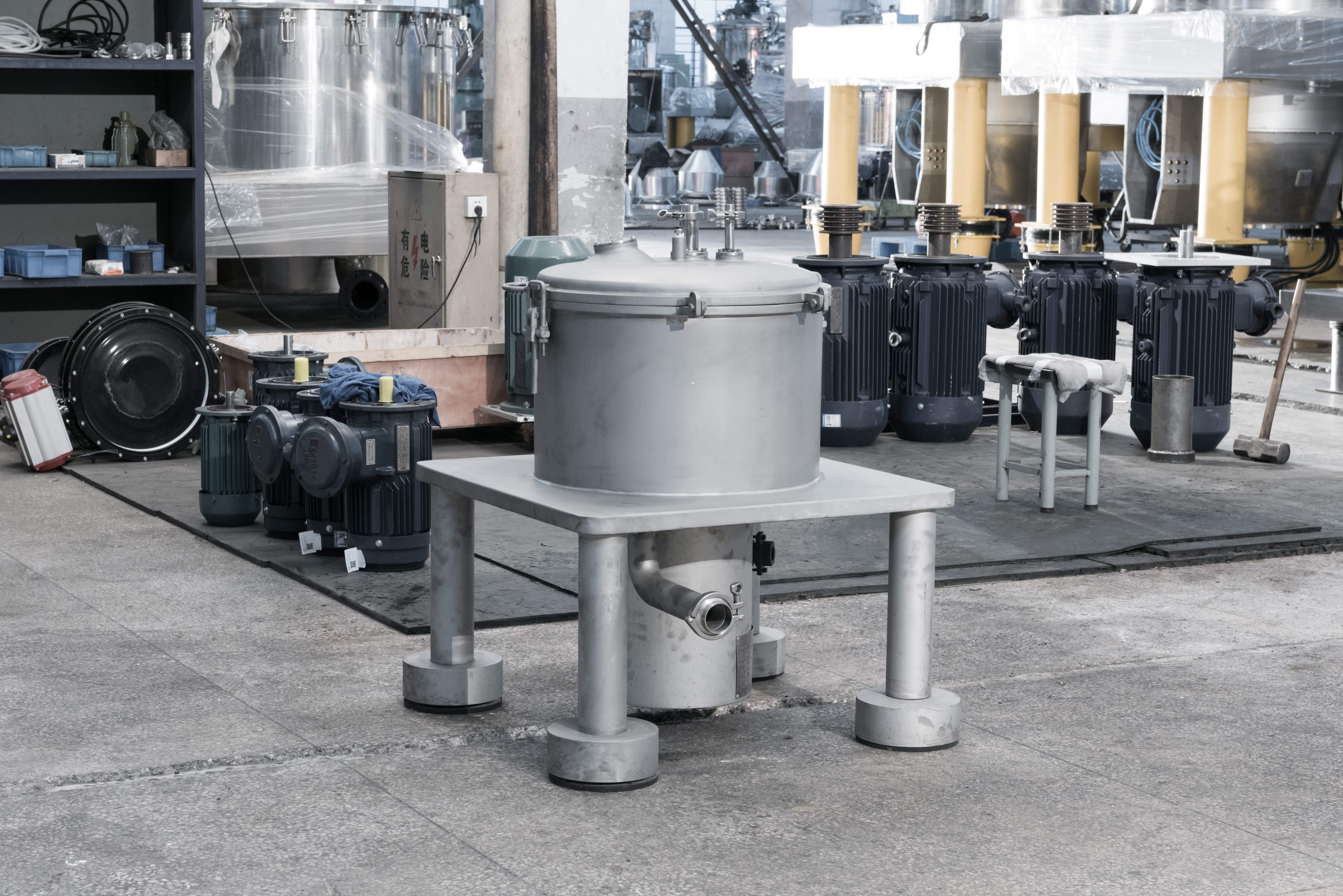
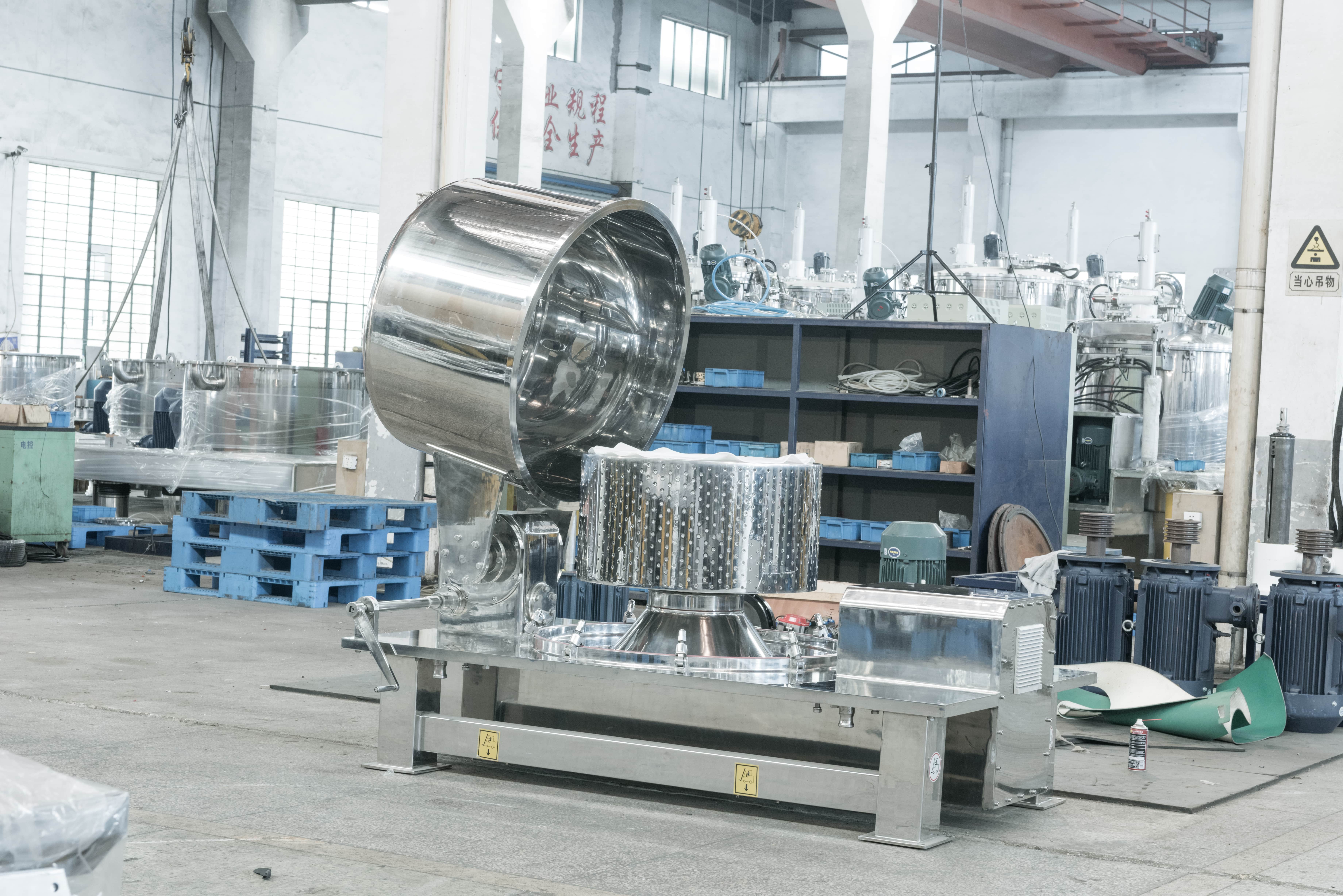
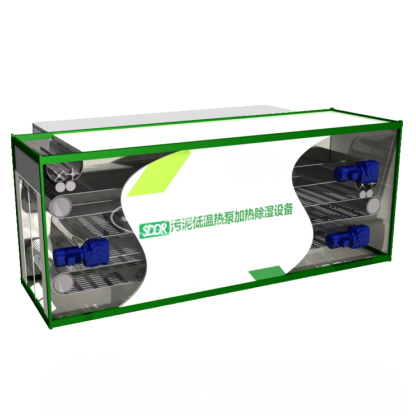
In elke industrie, wanneer bedrijven op zoek zijn naar nieuwe scheidings technologie, is er iets werkelijk krachtigs dat vaak over het hoofd wordt gezien: maatwerk. Natuurlijk kunt u standaard industriële centrifugaalapparatuur uit een catalogus kopen, en die zal waarschijnlijk het werk kunnen doen. Maar zal deze uw specifieke suspensie, uw specifieke installatieomstandigheden en uw specifieke productiedoelen optimaliseren? Dat is het echte verschil. Beschouw het op deze manier – u zou toch ook geen standaardpak dragen naar een zakelijke vergadering? Om de beste indruk te maken, moet u selectief zijn. Op dezelfde wijze vereist een echt efficiënt en kosteneffectief scheidingsproces vaak een oplossing die is afgestemd op de unieke uitdagingen van het scheidingsproces. In de afgelopen meer dan 30 jaar zijn innovatieve fabrikanten verder gegaan dan traditionele modellen, en hebben zij de mogelijkheid ontwikkeld om een dergelijke hoge mate van aanpassing te bereiken, zodat zij een geschikte machine kunnen omvormen tot het ideale instrument voor uw bedrijfsvoering. Het gaat zeker niet om een eenvoudige aanpassing van één of twee configuraties; het gaat om een volledige herontwerping van de centrifuge en alles wat eromheen zit, speciaal afgestemd op uw behoeften. Wat denkt u allemaal kan worden aangepast? De reeks mogelijkheden kan u verbazen.
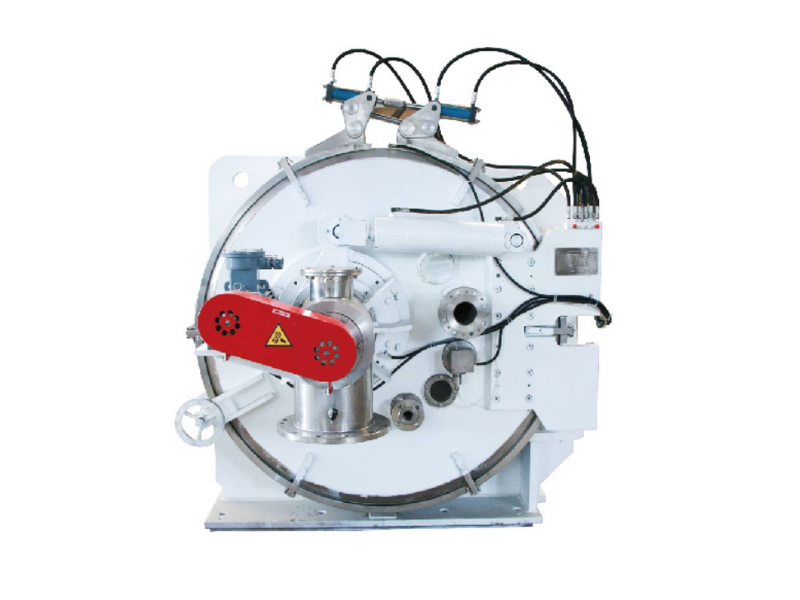
Er wordt aanzienlijke aandacht en detail besteed aan uw toepassing voordat er componenten worden ontworpen die het aanpassingsproces in gang zetten. De toepassing van een klant moet altijd de belangrijkste overweging zijn, en een leverancier van aanpassingen die dit begrijpt, zal dieper ingaan dan alleen maar vragen in welke branche u actief bent. Een leverancier die scheidingsprocessen begrijpt, richt zich op alle aspecten die uw toepassing bepalen.
Overwegingen zoals de fysische en chemische eigenschappen van uw toevoermateriaal zijn van het grootste belang. Componenten zoals deeltjesgrootte, vaststofconcentratie, vloeistofviscositeit en de schurende of corrosieve werking van het materiaal, evenals eventuele hygiëne-eisen voor voedings- of farmaceutische toepassingen, spelen allemaal een rol. Ook uw doelstellingen zijn cruciaal. Wilt u een zeer droog taartproduct verwijderen of verkopen, of streeft u naar de hoogst mogelijke kwaliteit centraat voor hergebruik van water? Doorvoercapaciteit is een andere belangrijke eis. Wat zijn uw huidige doorvoercapaciteiten en wat verwacht u dat uw toekomstige capaciteiten zullen zijn? Tot slot, hoe ziet uw installatie eruit? Beschikbare ruimte, klimaat en aspecten met betrekking tot processen stroomopwaarts en stroomafwaarts spelen eveneens een rol. Deze grondige en uitgebreide analyse vormt de basis voor elk aanpassingsbesluit en maakt van de uiteindelijke machine meer dan alleen een scheidingsapparaat, maar een samenhangend, geïntegreerd onderdeel van uw productielijn.
Zodra de toepassing grondig is gedefinieerd, kunnen technici beginnen met het verfijnen van het hart en de basis van de machine. Dit is het stadium waarop de technische aanpassing tastbaar wordt en invloed heeft op de duurzaamheid en functionaliteit van de machine.
Een van de belangrijkste overwegingen is het constructiemateriaal. Als de machine te maken krijgt met corrosieve chemicaliën, kunnen kritieke onderdelen die in contact komen met vloeistoffen, zoals de kom, transporteur en behuizing, volledig bekleed zijn of gemaakt zijn van gespecialiseerd roestvrij staal, duplexstaal, superlegeringen zoals Hastelloy, of zelfs enkele niet-metalen coatings. Deze keuze bepaalt de levensduur van de machine in uw omgeving.
Hierna volgen de ontwerpen en de mechanica. Er is ruimte voor optimalisatie van de verhouding tussen lengte en diameter van de schroef en de kom. Een langer ontwerp biedt bijvoorbeeld meer oppervlak voor het bezinken van fijnere deeltjes, terwijl een korter en steiler ontwerp efficiënter is voor het verwerken van een hoge belasting met fijne vaste stoffen. De spoed van de schroef, het type strand en het ontwerp van de afvoeropeningen, samen met andere ontwerpkenmerken, kunnen worden afgestemd op de gewenste droogheid en verwerkbaarheid van de te produceren taart. Voor zeer slijtvaste materialen kunnen slijtvaste hardmetalen bekledingen met wolfraamcarbide of keramische tegels worden aangebracht op de onderdelen van de installatie die blootstaan aan slijtage, om de onderhoudsintervallen te verlengen. Dergelijke mechanische aanpassingen worden uitgevoerd om ervoor te zorgen dat de industriële centrifuge-installatie een specifiek doel dient en niet alleen functioneert, maar dit ook effectief en betrouwbaar doet, zodat deze de specifieke slijtage van uw proces kan doorstaan.
De 'spier' en de 'hersenen' van de centrifuges vormen nog een ander gebied met aanzienlijke aanpassingsmogelijkheden wat betreft vermogen, bediening en algehele gebruiksgemak.
Zelfs het aandrijfsysteem kan op maat worden afgesteld. U kunt kiezen voor de traditionele optie, een motor met vaste frequentie en een versnellingsbak voor constante belasting, of kiezen voor een geavanceerdere oplossing met een systeem voor variabele toeren (VFD). Met een VFD is het mogelijk om de snelheden van trommel en transporteur apart te regelen. Dit betekent dat de machinebediende het scheidingsproces kan beheren of aanpassen, afhankelijk van de aanvoer, zodat de installatie altijd optimaal presteert. Dit is een groot voordeel bij processen waarbij de instroom van materialen inconsistent is.
Voor uw bedieningspaneel zijn er aanpasopties beschikbaar, variërend van een lokaal start-/stopbedieningsstation tot een compleet PLC-systeem met een kleurentouchscreen dat de gehele proceswerking regelt. Dit kan worden ingesteld om complexe opstart- en afsluitprocedures te beheren, parameters zoals trillingen en lager temperatuur bij te houden, en te integreren in uw installatie Distributed Control System (DCS). Beschermingen kunnen machine- en procesbeveiliging omvatten, zodat het systeem bij gedefinieerde foutmodi alarmen afgeeft en automatisch uitschakelt. Slimme besturing is essentieel voor data-gedreven operaties met aandacht voor herhaalbaarheid van het proces.
Het kopen van een aangepaste centrifuge is eerder een investering dan een extra kostenpost. De rendementen zijn merkbaar in de gehele bediening. De kosten-batenverhouding is duidelijk en aanzienlijk, zoals u kunt zien.
Om te beginnen: het optimaliseren van uw machine stelt u in staat de hoogst mogelijke prestaties te behalen, overeenkomstig uw eisen. Eén model scheidt vaste stoffen dieper, creëert een droger taartproduct en levert een helderder vloeistofstroom op. Dit resulteert in een hogere productkwaliteit en lagere kosten voor afvalverwijdering of vochtgehalte van de overtollige vaste stoffen. Vervolgens is er de robuustere en betrouwbaardere machine. Minder ongeplande stilstand, langere intervallen tussen grote revisies en een dalende totale eigendomskost. Een op maat gemaakte machine integreert beter en werkt soepeler. Het ontwerpen van apparatuur op basis van uw ruimtelijke beperkingen en naadloos aansluiten op uw bestaande leidingen en transportbanden geeft meer flexibiliteit binnen uw bedrijfssysteem. Minder installatietijd en een kortere leercurve voor uw operators zijn het gevolg. Customisatie stelt u in staat om uw bedrijfssysteem niet aan te passen aan een standaardmachine, maar om juist een op maat gemaakte machine aan te passen aan uw operationele processen.
Het belangrijkste om te overwegen bij het starten van dit proces is hoe u de expertise van uw partner kunt bepalen bij het omzetten van standaardconcepten in op maat gemaakte machines. Overweeg een leverancier met meetbare ervaring, niet alleen in de bouw van centrifuges, maar ook in het isoleren van oplossingen in verschillende sectoren. HUADA is een goed voorbeeld. Hun ervaring in constructie strekt zich uit over de chemische, farmaceutische, mijnbouw- en afvalwaterindustrie, naast een rijke ervaring dwars door meerdere industrieën heen.
Uw partner zou moeten beginnen met technische samenwerking, niet met verkoop, en dit moet hun interne R&D omvatten. Ideaal gezien zouden ze een volledige onderzoeks- en ontwikkelafdeling moeten hebben die hieraan is gewijd. Hun vermogen om grote projecten op te delen en maatwerkopdrachten te beheren, betekent dat hun productiefaciliteiten verspreid zijn. Het belangrijkste is dat hun serviceafdeling dicht bij de productie staat, en dit moet duidelijk zijn om hen in staat te stellen apparatuur op maat aan te passen voor het veld. Dit moet ervoor zorgen dat uw industriële centrifugevisieapparatuur presteert volgens uw gewenste verwachtingen.
 Actueel nieuws
Copyright © 2025 Jiangsu Huada Centrifuge Co., Ltd. Alle rechten voorbehouden Privacybeleid
Nr. 88 Qigan Road, Yangshe Town, Zhangjiagang City, Jiangsu Province, China
Copyright © 2025 Jiangsu Huada Centrifuge Co., Ltd. Alle rechten voorbehouden Privacybeleid
 EN
EN
 AR
AR
 HR
HR
 CS
CS
 DA
DA
 NL
NL
 FI
FI
 FR
FR
 DE
DE
 EL
EL
 HI
HI
 JA
JA
 KO
KO
 NO
NO
 PL
PL
 PT
PT
 RO
RO
 RU
RU
 ES
ES
 SV
SV
 TL
TL
 ID
ID
 LT
LT
 SR
SR
 SK
SK
 UK
UK
 VI
VI
 HU
HU
 TH
TH
 TR
TR
 FA
FA
 MS
MS
 IS
IS
 LO
LO
 LA
LA
 MN
MN
 MY
MY
 KK
KK
 UZ
UZ
 IT
IT