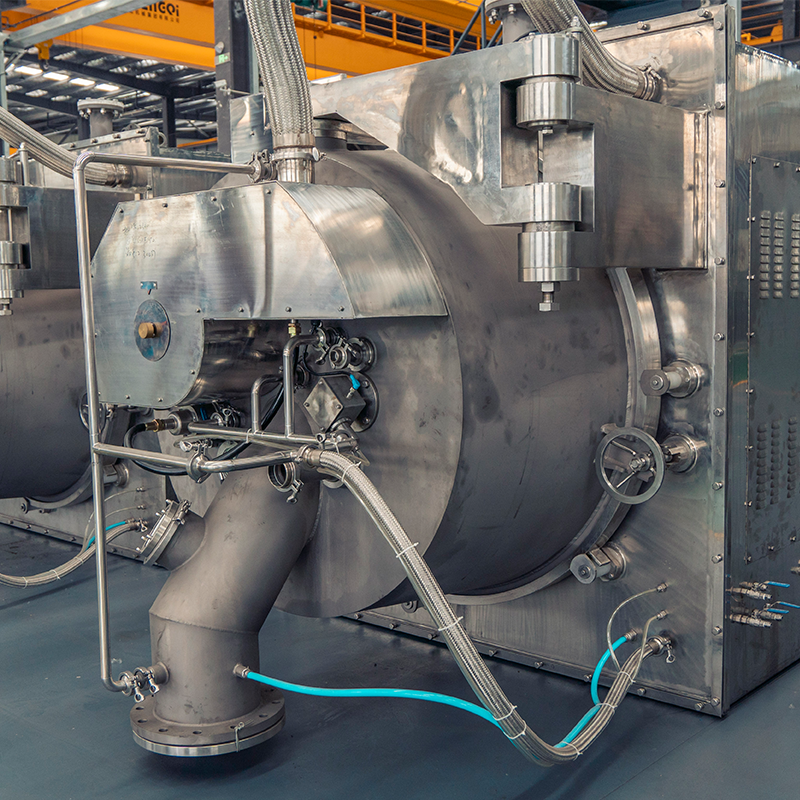
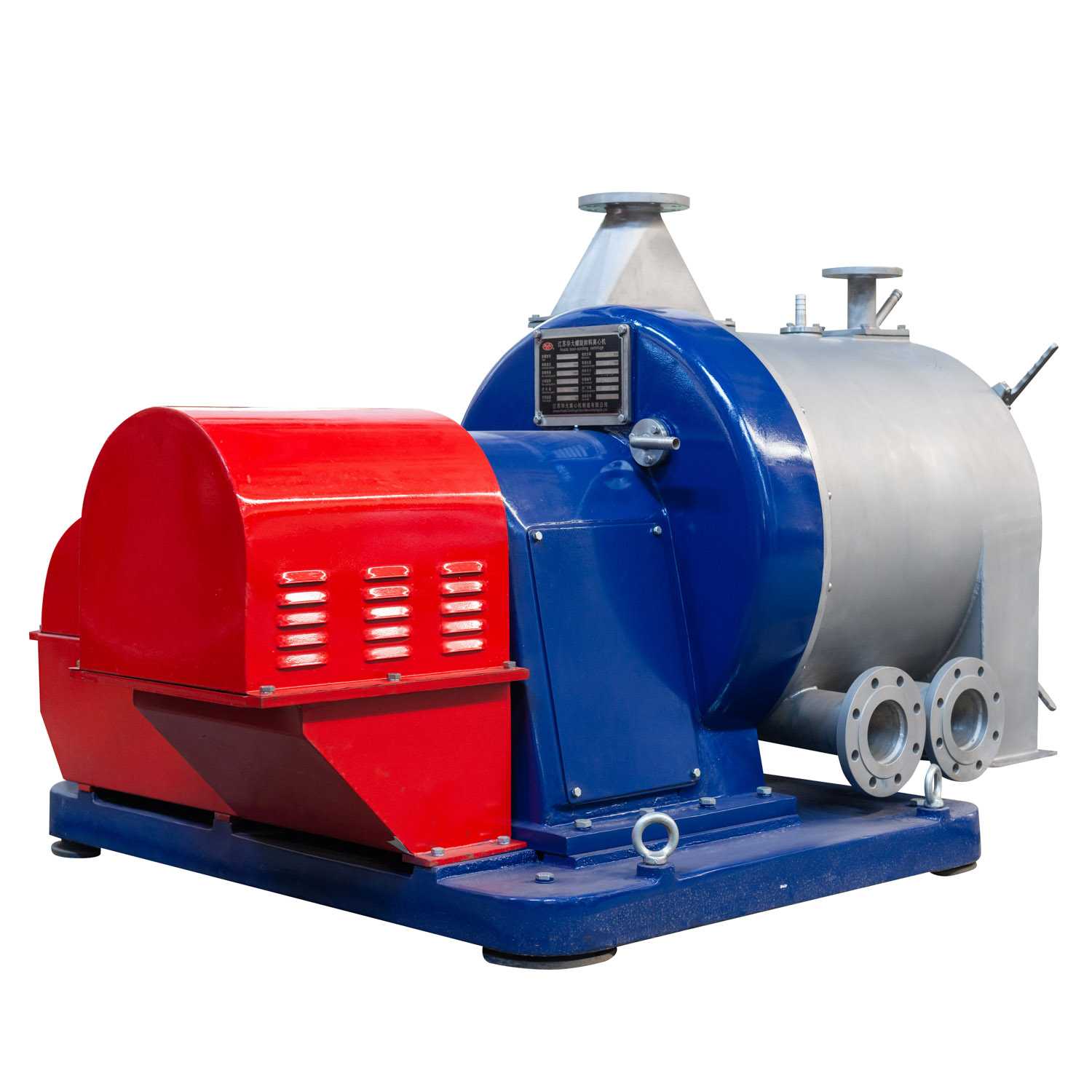
ဒီဆန်တာ စက်ကို ဝယ်ယူခြင်းသည် အများအားဖြင့် စီမံခန့်ခွဲမှုဇယားတွင် စီးဆင်းမှုနှုန်း၊ ဘောလ်အလုံး၏ အလုံးအကိုင်းနှင့် မော်တာ၏ အားကြီးမှုတို့ကို နှိုင်းယှဉ်ခြင်းဖြင့် စတင်လေ့ရှိပါသည်။ အခက်အခဲမှာ ထိုဂဏန်းများသည် အထူးသော အရည်စပ်မှု (slurry) တစ်မျှော်မှုအတိုင်း အပြုအမှုပြုမည်ဟု ယူဆထားခြင်းဖြစ်ပါသည်။ လက်တွေ့တွင် လုပ်ငန်းစဉ်မှ ထွက်လာသည့် အရည်စပ်မှုများသည် အထက်တွင်ရှိသည့် အမှုန်အမှုန်အလုပ်စဉ်များ၊ အပူခါန်ပြောင်းလဲမှုများနှင့် ကုန်ကြမ်းများ ပြောင်းလဲမှုများအရ ပြောင်းလဲလေ့ရှိပါသည်။ အကောင်းဆုံးသော ရွေးချယ်မှုလုပ်ငန်းစဉ်သည် အစားအစာပေးသည့် ပစ္စည်းကို အသေးစိတ်လေ့လာခြင်းဖြင့် စတင်ပါသည်။ အမှုန်အရွယ်အစား ဖြန့်ဖြူးမှု၊ အမှုန်ပါဝင်မှုနှုန်းနှင့် အရည်စပ်မှုသည် ဖိအားအောက်တွင် မည်သို့စီးဆင်းသည်ကို တိုင်းတာခြင်းဖြစ်ပါသည်။ ထိုအချက်အလက်များ မရှိပါက ဈေးအကောင်းဆုံး ဒီဆန်တာစက်သည် အသေးစိတ်အချက်အလက်များကို မှန်ကန်စွာ သတ်မှတ်ထားသည့် အလယ်အလတ်အဆင့်ရှိ စက်တစ်လုံးထက် စွမ်းဆောင်ရည်နိမ့်နိမ့်ဖြစ်နိမ့်ပါသည်။
ကာလစီယမ် ကာဘွနိတ်ကို အိုင်းဆော်ပ်ဖြင့် စီမံခန့်ခွဲသည့် စက်ရုံတစ်ခုကို စဉ်းစားပါ။ ဒီစန်တာထဲသို့ ဝင်လာသည့် စလရီတွင် မီဒီယန် အများဆုံး အရွယ်အစားသည် မိုက်ခရွန် ရှစ်ခုခန့်ဖြစ်ပြီး အကျယ်ကြောင်း ဖြန့်ဖြူးမှု အန္တရာယ်ရှိသည်။ သုံးစွဲမှု အရွယ်အစားအတိုင်းသာ ရွေးချယ်ထားသည့် ဒီစန်တာသည် လိုအပ်သည့် ရေပိုင်းဆိုင်ရာ စွမ်းအားကို ရရှိနိုင်သော်လည်း အရွယ်အစားသေးငယ်သည့် အစိတ်အပိုင်းများသည် ရှိပါသည့် ရေပိုင်းဆိုင်ရာ ဧရိယာအတွင်းတွင် လျင်မြန်စွာ မကျသောကြောင့် ရှင်းလင်းသည့် စင်ထရေတ်ကို ထုတ်လုပ်ရာတွင် အခက်အခဲရှိနိုင်သည်။ အထွက်စာရင်းသာ ဤအခက်အခဲကို ဖော်ပြနိုင်မည်မဟုတ်ပါ။ ဘင်ခ်-တော့ပ် စပင်စမ်းသပ်မှု သို့မဟုတ် ဒီစန်တာသေးငယ်သည့် စမ်းသပ်မှုသာ ဤအရွယ်အစားအတွက် ဘောလ် ပုံသဏ္ဍာန်နှင့် G-force အကွာအဝေးသည် လုံလောက်မှုရှိမရှိ ဖော်ထုတ်ပေးနိုင်မည်ဖြစ်သည်။
ဒီကန်တာ၏ အဓိက ခွဲခြားမှု အကွင်းအဝိုင်းကို သတ်မှတ်ပေးသည့် ဂဏန်းနှစ်လုံးမှာ ဘောလ်၏ အလျား-အချင်း အချိုးနှင့် ဘောလ်နှင့် အတွင်းပါ စကရောလ်ကြား အမြန်နှုန်း ကွာခြားမှုဖြစ်သည်။ အလျား-အချင်း အချိုး (L/D) သည် ၄:၁ သို့မဟုတ် ထိုထက်များပါက အလွန်ရှည်လျားပြီး အနက်နည်းသည့် အနိုင်နိုင်သော အနေအထားကို ပေးစေပြီး အလွန်သေးငယ်သည့် သို့မဟုတ် အလွန်နှေးကွေးစွာ အိုင်းသည့် အမှုန်များအတွက် အကောင်းဆုံးဖြစ်သည်။ အတိုနှင့် အနက်များသည့် ဘောလ်များသည် ပါဝင်မှု ပမာဏကို အဓိကထားပြီး ရေကုန်သည့် အမြန်နှုန်းဖြင့် အလွန်ကြမ်းသည့် ကျောက်စိမ်းပုံစံ ပစ္စည်းများအတွက် သင့်လျော်ပါသည်။ အမြန်နှုန်း ကွာခြားမှုကို အများအားဖြင့် Delta ဟု ခေါ်ပြီး ရေစုပ်ထုတ်ထားသည့် အမှုန်များကို ရေစုပ်ထုတ်သည့် အိုင်းအတွင်းမှ အပ်ထုတ်ရန် အမြန်နှုန်းကို ထိန်းညှိပေးပါသည်။ Delta အနိမ့်ဖြင့် အမှုန်များကို အခြောက်ခြောက်စေရန် အတွင်းပိုင်း ဧရိယာတွင် ပိုမိုကြာမှုန်သည်။ ထို့ကြောင့် အမှုန်များသည် ပိုမိုခြောက်သည့် အခြေအနေဖြင့် ထွက်ပေါ်လာသည်။ သို့သော် ထုတ်လုပ်မှု ပမာဏမှာ လျော့နည်းသည်။ Delta အမြင့်ဖြင့် အမှုန်များကို ပိုမိုမြန်မြန် အပ်ထုတ်ပေးပြီး ထုတ်လုပ်မှု ပမာဏကို အများဆုံး ဖော်ဆောင်ပေးသည်။ သို့သော် အမှုန်များသည် ပိုမိုစိုသည့် အခြေအနေဖြင့် ထွက်ပေါ်လာသည်။
ဤချိန်ညှိမှုကို မှားယွင်းစွာ ဆောင်ရွက်မှုသည် လုပ်ငန်းစဉ်ဒေတာများတွင် အများအားဖြင့် အများဆုံး မှုန်းမှုန်းမှုဖြင့် ပေါ်လွင်လာပါသည်။ အလယ်အလတ် အမြှုပ်အရွယ်အစား ၂၀၀ မိုက်ခရွန်ဖြင့် ပေါလီမာ ဘီဒ်များကို ခွဲထုတ်သည့် ဓာတုစက်ရုံတွင် အသုံးပြုရန် ၄.၂:၁ L/D အချိုးရှိသည့် ဒီကန်တာ (decanter) ကို သတ်မှတ်ခဲ့ပါသည်။ ထိုသို့သော အရှည်ကြီးသည့် ဘောလ် (bowl) သည် အမြှုပ်များအား အောက်သို့ စုစည်းရန် အချိန်အလုံအလေးပေးခဲ့သော်လည်း စုစည်းသွားသည့် အလွန်သေးငယ်သည့် ပစ္စည်းများသည် ဘောလ်နှင့် အလွန်တွယ်ကပ်နေသောကြောင့် စကရော့ (scroll) ၏ တော်ကျူ (torque) သည် အကြိမ်ကြိမ် များပေါ်လွင်လာပြီး လုံခြုံရေး ကပ်လီင် (safety coupling) ကို လှုံ့ဆော်ခဲ့ပါသည်။ ပြဿနာမှာ ဘောလ်၏ အရှည်မဟုတ်ဘဲ အလွန်များပေါ်လွင်သည့် တော်ကျူကို ရှောင်ရှားရန် လိုအပ်သည့် Delta အနည်းငယ်နှင့် ထုတ်လုပ်မှုနှုန်းကို ထိန်းသိမ်းရန် လိုအပ်သည့် Delta အများကြီးကြား မက်ခ်ပ်မှု (mismatch) ဖြစ်ပါသည်။ နောက်ဆုံးတွင် ၃.၂:၁ L/D အချိုးရှိသည့် ဘောလ်နှင့် အလယ်အလတ် Delta အသုံးပြုခြင်းဖြင့် စက်သည် တည်ငြိမ်စွာ လုပ်ဆောင်နိုင်ခဲ့ပါသည်။
ချောက်ခဲသော အမှုန်များသည် ဒီစင်တာ၏ အသက်တမ်းကို တိုတောင်းစေရုံသာမက ပျက်စီးမှုဖြစ်မှီ အချိန်ကြာစွာကြာအောင် ခွဲခြားမှုစွမ်းဆောင်ရည်ကို လျော့နည်းစေပါသည်။ စကရော်လ်အမှုန်များ ပုံပေါ်လာသည်နှင့်အမျှ အမှုန်များ၏ အနုတ်ဘက်နှင့် ပုံပေါ်ခွက်နှင့် အနုတ်ဘက်ကြား အကွာအဝေးသည် တိုးလာပါသည်။ အမှုန်များသည် ထိုအကွာအဝေးမှတဆင့် ပြန်လည်စီးဆင်းပါသည်။ ထိုသို့ဖြစ်ခြင်းကြောင့် စင်တြိုက်နှင့် အမှုန်များ၏ အလေးချိန်သည် တိုးလာပါသည်။ ထို့အတူ အကောင်းဆုံး စီးဆင်းမှုနှုန်းသည် လျော့နည်းလာပါသည်။ စီလီကာပါသော အညှစ်များကို ကိုင်တွယ်သည့် ဒီစင်တာအတွက် ကာကွယ်မှုမရှိသော ကာဗွန်သံမှုန်အမှုန်များသည် လေးလပေါင်း ၆ လအတွင်း တိက်မှုကို တွေ့ရှိနိုင်ပါသည်။ ဖြေရှင်းနည်းများတွင် တန်ဂ်စတင် ကာဘိုင်ဒ် အုပ်ချုပ်မှုများ၊ မာက်သော အမှုန်များကို ဖုံးအုပ်သည့် အမှုန်များ သို့မဟုတ် အစားထိုးနိုင်သည့် အမှုန်များ ပါဝင်ပါသည်။ အမှုန်များကို ကာကွယ်ရန် အပိုစရိတ်သည် စက်၏ စျေးနှုန်း၏ ၁၅ ရှုံးမှ ၂၀ ရှုံးအထိ ရှိနိုင်ပါသည်။ သို့သော် ချောက်ခဲသော အသုံးပုံအတွက် အမှုန်များကို ကာကွယ်ရန်သည် ရွေးချယ်စရာ အပိုပစ္စည်းများ မဟုတ်ပါ။ ထိုသို့သော ကာကွယ်မှုသည် ဒီစင်တာ၏ အဓိက ဒီဇိုင်းရွေးချယ်မှုဖြစ်ပါသည်။ ထိုသို့ဖြစ်ခြင်းကြောင့် ဒီစင်တာသည် ၁၀ နှစ်ကြာအောင် သတ်မှတ်ထားသည့် စီးဆင်းမှုနှုန်းကို ရရှိမည် သို့မဟုတ် ပထမနှစ်အက်ပြီးနောက် စီးဆင်းမှုနှုန်းသည် တဖျော့ဖျော့ လျော့နည်းလာမည် ဖြစ်ပါသည်။
| ပစ္စည်း၏ သဘောလက္ခဏာ | အကြံပေးထားသည့် L/ D အချိုး | အမှုန်များကို ကာကွယ်ရန် နောက်ဆုံးနည်းလမ်း | အမှုန်များ၏ မျှော်မှန်းထားသည့် အသက်တမ်း |
|---|---|---|---|
| နူးညံ့သော အော်ဂဲနစ် အမှုန်များ | ၃.၈:၁ မှ ၄.၅:၁ | စံထားသော သံမဏိမဟုတ်သည့် သတ္တု | ၈–၁၂ နှစ် |
| ကျောက်ကဲသော ဆားများ (အလွန်နူးညံ့သော) | ၂.၈:၁ မှ ၃.၅:၁ | ပိုက်လေးများ၏ အနားများတွင် ခိုင်မာသော အထုပ်များ | ၅–၈ နှစ် |
| ဆီလီကာပါဝင်သော သတ္တုရေစီးများ | ၃.၂:၁ မှ ၄:၁ | တန်ဂ်စတင် ကာဘိုင်ဒ် အပိုင်းများ | ၁၀ နှစ်ကျော် |
| သတ္တုအောက်ဆိုဒ် အိုင်းစင်များ | ၃.၅:၁ မှ ၄.၂:၁ | အပုံစံအတိုင်း ခိုင်မာသော အထုပ်များဖြင့် ဖ покရ် | ၆–၁၀ နှစ် |
ဆယ်စုနှစ်များစွာကြာအောင် ဟိုက်ဒရောလစ် မော်တာများကို ဒီဆန်တာ စင်ထရီဖျူဂဲလ်များတွင် အသုံးများခဲ့ပါသည်။ အကြောင်းမှာ ၎င်းတို့သည် အများပြောသော အမြန်နှုန်းအတွင်း အများစုအားဖြင့် အမြင့်မားသော တော်ကျူး (Torque) ကို ပေးစွမ်းနိုင်သောကြောင့်ဖြစ်သည်။ ယနေ့ခေတ်တွင် အမြန်နှုန်းပြောင်းလဲနိုင်သော မော်တာများ (VFDs) သည် အများစုအားဖြင့် အစားထိုးလုပ်ဆောင်မှုကို လုပ်ဆောင်ပြီး စွမ်းအင်အသုံးချမှု ပိုမိုကောင်းမော်ပြီး ထိန်းချုပ်မှုအဆင့်များကို ပိုမိုတိက်တိက်မှုရှိစေသည်။ သို့သော် ပိုမိုအရေးကြီးသော ဆုံးဖြတ်ချက်များသည် အလိုအလျောက်ထိန်းချုပ်မှုနှင့် ပတ်သက်ပါသည်။ တော်ကျူးကို ခြေရှားနိုင်သော စကရော်လ်မော်တာ (Torque-sensing scroll drive) ပါရှိသော ဒီဆန်တာသည် ကွဲပြားမှုအမြန်နှုန်း (Differential speed) ကို အချိန်နှင့်တွေ့လျောက် ညှိပေးနိုင်ပါသည်။ အလေးချိန်များသော အမှုန်များ (Heavy solids) အုပ်စုတစ်ခုသည် ဘောလ်အတွင်းသို့ ဝင်ရောက်လာသည့်အခါ တော်ကျူးသည် တက်လာပြီး ထိန်းချုပ်မှုစနစ်သည် အချိန်အတော်လေး ဒေလ်တာအမြန်နှုန်း (Delta speed) ကို တိုးမှုန်းပေးကာ ဖော်ထုတ်မှုကို ပြုလုပ်ပြီး နောက်တွင် သတ်မှတ်ထားသော အမြန်နှုန်းသို့ ပြန်လည်ရောက်ရှိပါသည်။ ဤပိတ်ထားသော ချိန်ညှိမှုစနစ် (Closed-loop control) မရှိပါက အစားထိုးမှုတွင် အမှုန်များ အရှိန်အဟောင်းဖြင့် တက်လာခြင်းကြောင့် ဘောလ်သည် ပိတ်ဆို့သွားပြီး ထုတ်လုပ်မှုကို အပိတ်ခြင်းအထိ ဖြစ်စေကာ လုပ်သမ်းများသည် လက်ဖ်က်သော ပြုပြင်မှုကို ပြုလုပ်ရန် လုပ်အားအပိတ်ခြင်း (Full shift) ကို လိုအပ်ပါသည်။ အစားထိုးမှုအခြေအနေများသည် အလွန်ပြောင်းလဲမှုများရှိသော လုပ်ငန်းများအတွက် အလိုအလျောက် တော်ကျူးအပေါ် တုံ့ပြန်သော ထိန်းချုပ်မှုသည် အထူးသော အကျိုးကျေးဇူးများကို ပေးစွမ်းပါသည်။ ထို့အပေါ် အချိန်ပေးမှု (Uptime gain) သည် ပထမနှစ်အတွင်းတွင် အပိုစရိတ်ကို ဖြည့်ဆည်းပေးနိုင်ပါသည်။
ကြီးမားသော ဒီကန်တာများသည် ၎င်းတို့၏ အထောက်အပံ့ပေးသည့် ဖွဲ့စည်းပုံတစ်လျှောက် စွမ်းအင်အများအပြားကို ဖြန့်ဖြူးပေးသည့် အရွှင်းအားများကို ဖြစ်ပေါ်စေသည်။ ကြီးမားသော အတွင်းပိုင်းအမေးခံအား (သို့မဟုတ်) အမေးခံအားများဖြင့် တစ်မိနစ်လျှင် သုံးထောင်ကြိမ် လှည့်နေသည့် ဘောလ်အားသည် ဘီယာရင်းများနှင့် အောက်ခြေအုတ်များအပေါ်သို့ တန်ခေါင်းများစွာနှင့် ညီမျှသည့် အားများကို သက်ရောက်စေသည်။ အခြေခံအုတ်များကို စုစုပေါင်းအလေးချိန် (static weight) အတွက်သာမက အရွှင်းအားများ (dynamic loads) အတွက်ပါ အင်ဂျင်နီယာအဆင့်မှ ဒီဇိုင်းရမည်။ စက်၏ အလေးချိန်သာကို အခြေခံ၍ ဒီဇိုင်းပြုလုပ်ထားသည့် ကွန်ကရစ်အုတ်များသည် အနီးနားရှိ စက်ကိရိယာများသို့ တုန်ခါမှုများကို လွှင့်ပေးပြီး အနောက်ဆုံးတွင် အနှောင်အဖွေးများကို ဖြစ်ပေါ်စေကာ အချိန်ကြာလျှင် ဆက်သွယ်ထားသည့် ပိုက်လိုင်းများတွင် ပုံပေါ်လာသည့် ပုံပေါ်မှုများ (fatigue) ကို ဖြစ်ပေါ်စေသည်။ စက်ကို စက်ခုံပေါ်တွင် တပ်ဆင်ထားသည့် ဒီကန်တာများသည် တပ်ဆင်ရန် လွယ်ကူစေသည်။ သို့သော် အောက်ခြေအုတ်များ (inertia block) သို့မဟုတ် တုန်ခါမှုကာကွယ်ရေးစနစ် (isolation system) ကို သင့်လျော်စွာ သတ်မှတ်ပေးရန် လိုအပ်ပါသည်။ ယုံကုံစိတ်ချရသည့် ပေးသောသူသည် ကုန်ပစ္စည်းအား အကောင်းဆုံးအတိုင်းအတာဖြင့် အုတ်များအတွက် အားများ (load data) နှင့် တုန်ခါမှုအချက်များ (vibration criteria) ကို ကုန်စည်အက်ကွေးရှင် (quotation package) အဖွဲ့အစည်းတွင် ထည့်သွင်းပေးမည်ဖြစ်ပြီး ထိုအဆင့်အထိ အသေးစိတ်အချက်အလက်များကို ပေးသည့် အချိန်တွင် အတွေ့အကြုံရှိသည့် ထုတ်လုပ်သူများကို အများသုံးပစ္စည်းရောင်းချသူများမှ ခွဲခြားသတ်မှတ်နိုင်သည်။
အစီအစဉ်မှုန်းခြင်းကို လက်တွေ့အသုံးပြုမည့် အစားအစာကို စမ်းသပ်မှုမှုန်းခြင်းမပြုလုပ်ဘဲ ဒီဆန်တာရီဖျူဂဲလ် စက်ကို ရွေးချယ်ခြင်းသည် လုပ်ငန်းအင်ဂျင်နီယာများအတွက် အနည်းငယ်သာ စွန့်လွှတ်နိုင်သည့် အန္တရာယ်ဖြစ်သည်။ စက်သေးငယ်သည့် စမ်းသပ်မှုများဖြင့် အပေါ်ယံစက်အတွက် ဘောလ်ပုံစံ၊ Delta အမြန်နှုန်းအကွာအဝေးနှင့် အသုံးပြုမှုအတွက် ကာကွယ်ရေးအစိတ်အပိုင်းများကို သေချာစွာ သတ်မှတ်ရန် လိုအပ်သည့် အချက်အလက်များကို ရယူနိုင်ပါသည်။ စမ်းသပ်မှုအပိုင်းတွင် အချက်အလက်စာရင်းတွင် ဖော်ပြနိုင်သည့် အချက်များထက် ပိုမိုအသေးစိတ်သော အချက်များကိုလည်း ဖော်ထုတ်ပေးပါသည်- ကေက်အမြှုပ်များ အမျှတစွာ ထွက်ပေါ်မှု၊ စင်ထရိတ်အမြှုပ်များ ဖော်ပေးမှု၊ အမြှုပ်များကို ဖလော်ကျူလန့်အမျှတစွာ တုံ့ပြန်မှု စသည်ဖြစ်သည်။ HuaDa centrifuge သည် စမ်းသပ်မှုများကို ပေးဆောင်ပေးပြီး အင်ဂျင်နီယာအဖွဲ့များနှင့် လက်တွေ့အသုံးပြုမှုများကို အပေါ်ယံစက်အတွက် အသေးစိတ်သတ်မှတ်ချက်များအဖြစ် ပေါင်းစပ်ပေးပါသည်။ အစောပိုင်းအဆင့်မှ အသုံးပြုမှုစမ်းသပ်မှုများကို ရင်းနှီးမှုပေးသည့် ပေးသောင်းသမားနှင့် ပူးပေါင်းမှုရှိပါက စက်သေးငယ်သည့် စမ်းသပ်မှုမှ ထုတ်လုပ်မှုအဆင့်သို့ ပေါင်းစပ်မှုကို အလွန်အများအပါး လျော့နည်းစေပါသည်။ ထို့အပါး စက်သည် စမ်းသပ်မှုအပိုင်းမှ ထုတ်လုပ်မှုအဆင့်သို့ ရောက်ရှိပါက မျှော်လင့်ထားသည့်အတိုင်း အလုပ်လုပ်နိုင်ရန် အာမခံပေးပါသည်။
 အရေးကြီးသော သတင်းများ
权 © 2025 Jiangsu Huada Centrifuge Co., Ltd. အခြား အခွင့်အရေး အားလုံး รักษาไว้ လျှို့ဝှက်မှုမူဝါဒ
တရုတ် ကောင်တီ၊ ဂျင်စီမှူးပြည်နယ်၊ ချာင်ဆေးမြို့၊ ရန်ကြာမြို့နယ်၊ မြောက်ပြည်ထောင်စု၊ အောက်ပါလိုင်းမြို့၊ ဘွဲ့နံပါတ် ၈၈၊ Qigan လမ်း၊ Yangshe မြို့နယ်
权 © 2025 Jiangsu Huada Centrifuge Co., Ltd. အခြား အခွင့်အရေး အားလုံး รักษาไว้ လျှို့ဝှက်မှုမူဝါဒ
 EN
EN
 AR
AR
 HR
HR
 CS
CS
 DA
DA
 NL
NL
 FI
FI
 FR
FR
 DE
DE
 EL
EL
 HI
HI
 JA
JA
 KO
KO
 NO
NO
 PL
PL
 PT
PT
 RO
RO
 RU
RU
 ES
ES
 SV
SV
 TL
TL
 ID
ID
 LT
LT
 SR
SR
 SK
SK
 UK
UK
 VI
VI
 HU
HU
 TH
TH
 TR
TR
 FA
FA
 MS
MS
 IS
IS
 LO
LO
 LA
LA
 MN
MN
 MY
MY
 KK
KK
 UZ
UZ
 IT
IT