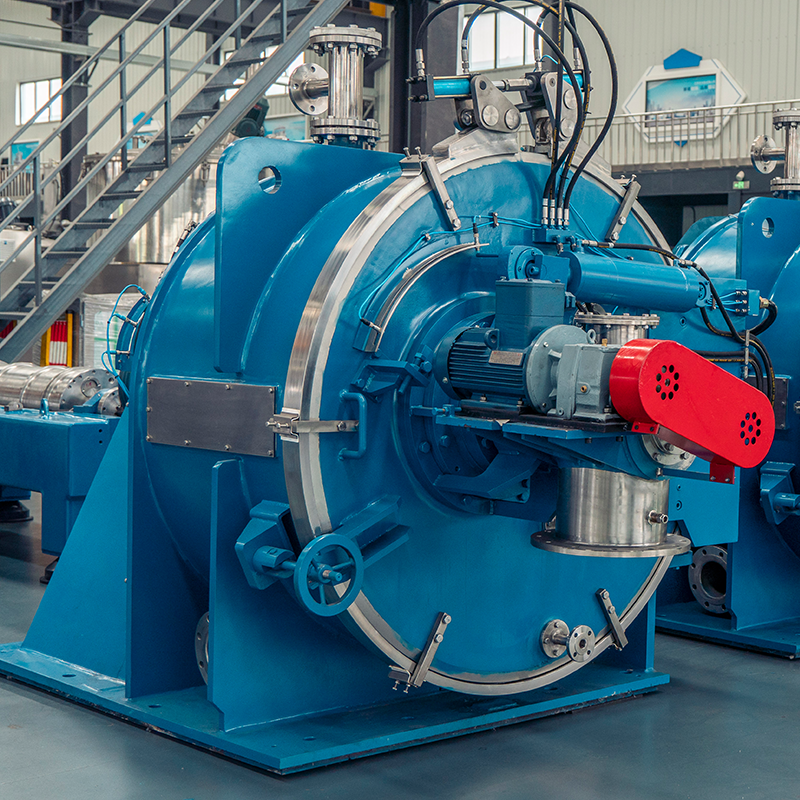
Quando se trata de adquirir equipamentos industriais importantes, como uma centrífuga vertical com descarga superior, a conversa geralmente começa — e, infelizmente, às vezes termina — com o preço inicial. Concentrar-se apenas nesse valor inicial é um dos erros mais comuns e onerosos que uma planta de processamento pode cometer. O custo real de possuir e operar esse equipamento crítico de separação é uma equação multifacetada, entrelaçada ao tecido das suas operações diárias. Ele engloba não apenas o valor pago para colocar a máquina em funcionamento, mas tudo o que é necessário para mantê-la operando com eficiência, confiabilidade e lucratividade durante toda a sua vida útil. Uma análise de custos precisa é o seu guia para compreender o valor total, e não apenas o custo inicial. Isso transforma a discussão de uma simples decisão de compra para uma análise estratégica de investimento, orientando na escolha de uma máquina que ofereça o menor custo por tonelada de material processado ao longo de uma década ou mais, em vez do menor preço de etiqueta hoje. Esta análise detalhada irá além da fatura para explorar as camadas financeiras reais de uma centrífuga vertical com descarga superior.
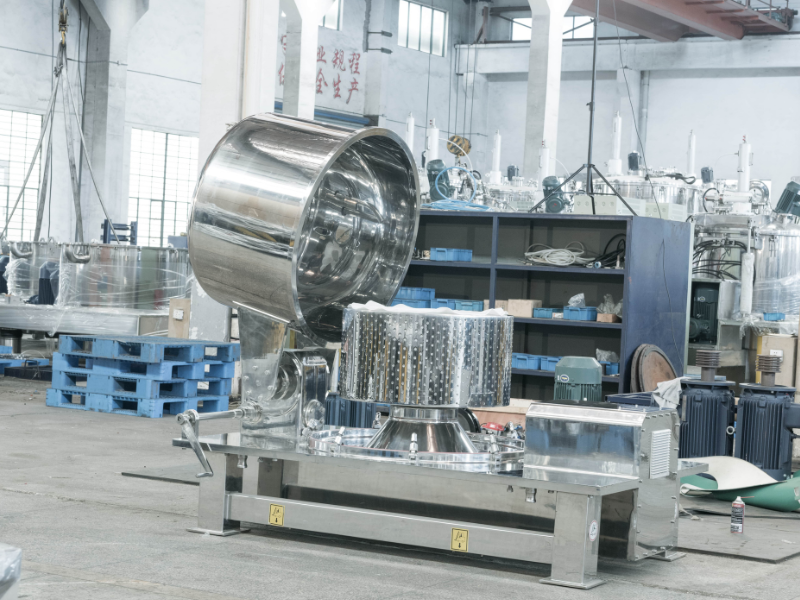
Pense da seguinte maneira: o preço de compra é meramente a taxa de entrada. A verdadeira jornada financeira começa quando a centrífuga é entregue. Quanto custará instalar e integrar? Quanto consumo de energia terá a cada hora de funcionamento? Quais serão os custos com manutenções rotineiras e reparos inesperados ao longo dos anos? Como o desempenho dela afetará o rendimento do seu produto, seus custos com mão de obra e seu tempo de inatividade? Essas são as perguntas que realmente definem o seu retorno sobre o investimento. Ao construir uma visão abrangente tanto dos custos evidentes quanto dos ocultos, você se capacita a fazer uma comparação que realmente importa. Você pode distinguir entre uma máquina barata que se torna um poço sem fundo e uma centrífuga vertical de descarga superior robustamente projetada, que, embora possa exigir um investimento inicial mais alto, se paga múltiplas vezes por meio de eficiência superior, durabilidade e confiabilidade. Vamos analisar a estrutura completa de custos.
Este é o componente de custo mais visível para todos, englobando as despesas diretas para adquirir e instalar inicialmente a centrífuga. É fundamental compreender o que está, e o que não está, incluído em uma cotação de preço típica. O preço base da Centrífuga Vertical de Descarga Superior cobre a máquina principal: o tambor, o sistema de acionamento, o quadro, o painel de controle e o mecanismo de raspagem ou lâmina. No entanto, raramente essa é a imagem completa. Variações nas especificações de materiais podem causar variações significativas de preço. Uma centrífuga construída com aço inoxidável padrão para uma aplicação benigna terá um custo menor do que uma construída com aço inoxidável duplex ou ligas de alto teor de níquel para processos altamente corrosivos. Da mesma forma, revestimentos especiais, componentes endurecidos para polpas abrasivas ou certificações à prova de explosão para ambientes perigosos aumentam todos eles o investimento inicial.
Além da máquina, os equipamentos auxiliares e serviços profissionais representam uma parte substancial dos custos de implantação. É provável que você precise orçar bombas de alimentação, válvulas de controle, quadros elétricos e, potencialmente, uma unidade hidráulica dedicada. Depois, vem a própria instalação. Isso inclui a obra civil para uma fundação adequada, o custo de técnicos qualificados para alinhamento mecânico e tubulação, e eletricistas para a fiação final e conexão ao sistema de controle da sua planta. Testes de aceitação na fábrica, frete e seguro também são itens nesta fase. Subestimar esses custos auxiliares e de serviços é um erro frequente. Uma análise completa exige que você solicite uma cotação detalhada e chave na mão que discrimine todos esses elementos, fornecendo uma imagem clara e completa do seu compromisso total de capital antes mesmo de ser parafusado o primeiro parafuso.
Uma vez que a centrífuga está em funcionamento, um novo conjunto de custos tem início, recorrentes diariamente e anualmente. Esses custos operacionais representam o ritmo financeiro constante da máquina, onde diferenças significativas de longo prazo entre modelos se tornam evidentes. O consumo de energia é um exemplo primordial. O motor de acionamento é um usuário contínuo de energia elétrica. Uma centrífuga bem projetada, com um motor eficiente e um conjunto rotativo otimamente equilibrado, consumirá menos eletricidade ao longo de sua vida útil em comparação com um design menos refinado. Calcule isto: mesmo uma pequena diferença em quilowatts-hora, multiplicada por operação de vinte e quatro horas e pela tarifa local de energia, pode representar dezenas de milhares de dólares em economia ao longo de alguns anos.
A manutenção é o outro pilar dos custos contínuos. Isso inclui atividades planejadas e preventivas, bem como reparos não programados. Uma Centrífuga Vertical com Descarga Superior confiável, projetada para facilitar a assistência técnica, manterá esses custos previsíveis e baixos. Considere o custo e a frequência da substituição de peças sujeitas a desgaste, como lâminas raspadoras, vedações e filtros. Os rolamentos são de fácil acesso para lubrificação ou substituição? O projeto exige uma desmontagem complexa e demorada para inspeções de rotina, aumentando as horas de mão de obra? Além disso, os custos operacionais são influenciados pelo desempenho da máquina. Uma centrífuga que produz um bolo mais seco reduz os custos downstream de secagem ou as taxas de descarte por peso. Uma centrífuga que oferece clareza consistente no centrate pode eliminar a necessidade de etapas adicionais de polimento. Essas eficiências do processo, embora menos visíveis do que uma conta de eletricidade, representam economias operacionais reais que decorrem diretamente das capacidades principais da centrífuga.
Esta é a camada mais estratégica da análise de custos, onde se revela a verdadeira sabedoria de um investimento. Envolve o cálculo do Custo Total de Posse e a comparação com o valor gerado. O CTP agrega o investimento inicial de capital com todos os custos operacionais e de manutenção projetados ao longo da vida útil esperada da máquina, digamos dez a quinze anos. Este valor único revela muito mais do que apenas o preço de compra. Uma máquina com um custo inicial mais elevado, mas com consumo de energia drasticamente menor e manutenção mínima, pode facilmente apresentar um CTP inferior ao de uma alternativa mais barata, porém menos eficiente.
No entanto, o custo é apenas um lado da equação; o valor é o outro. É aqui que entram em jogo conceitos como retorno do investimento e produtividade. Uma centrífuga de descarga vertical de alto desempenho cria valor maximizando o tempo de funcionamento. Cada hora de inatividade não planejada representa perda de produção, pedidos perdidos e mão-de-obra ociosa - um custo que pode reduzir a conta de reparação. A fiabilidade e robustez da máquina protegem directamente o seu fluxo de receita. Além disso, a qualidade da separação afeta o rendimento do produto. Uma eficiência superior de separação significa um produto mais valioso recuperado do fluxo de alimentação e menos desperdício. Este aumento do rendimento paga o equipamento ao longo do tempo. Por último, considere o valor residual e a reputação da marca. Uma centrífuga de um fabricante conhecido pela sua durabilidade e apoiada por uma rede de serviço global mantém mais valor e garante que pode obter suporte e peças rapidamente, minimizando interrupções de negócios. Esta tranquilidade e a continuidade dos negócios são componentes intangíveis, mas críticos, de valor a longo prazo, justificando um investimento inicial prudente numa máquina de qualidade.
Uma análise abrangente de custos para uma centrífuga vertical com descarga superior não se trata de encontrar a opção absolutamente mais barata. Trata-se de tomar a decisão financeira mais inteligente para a saúde a longo prazo da sua operação. Ao avaliar meticulosamente todo o espectro de custos — desde as despesas concretas de capital até os gastos operacionais contínuos e as implicações estratégicas da propriedade — você deixa de ser apenas um comprador orientado pelo preço e passa a ser um investidor orientado pelo valor. Essa abordagem disciplinada permite comparar diferentes ofertas em pé de igualdade, utilizando métricas que realmente impactam seu resultado final. Você aprende a fazer as perguntas certas: não apenas "Quanto custa?", mas "O que vai economizar?", "Quanto tempo vai durar?" e "Como vai melhorar o meu processo?". O objetivo é selecionar um parceiro na produção, um equipamento cujo desempenho, confiabilidade e eficiência garantam que seu maior custo seja a compra inicial, e seu maior impacto seja uma operação sustentada e lucrativa pelos anos seguintes.
 Notícias Quentes
Copyright © 2025 Jiangsu Huada Centrifuge Co., Ltd. Todos os Direitos Reservados Política de Privacidade
Nº 88 Qigan Road, cidade de Yangshe, cidade de Zhangjiagang, província de Jiangsu, China
Copyright © 2025 Jiangsu Huada Centrifuge Co., Ltd. Todos os Direitos Reservados Política de Privacidade
 EN
EN
 AR
AR
 HR
HR
 CS
CS
 DA
DA
 NL
NL
 FI
FI
 FR
FR
 DE
DE
 EL
EL
 HI
HI
 JA
JA
 KO
KO
 NO
NO
 PL
PL
 PT
PT
 RO
RO
 RU
RU
 ES
ES
 SV
SV
 TL
TL
 ID
ID
 LT
LT
 SR
SR
 SK
SK
 UK
UK
 VI
VI
 HU
HU
 TH
TH
 TR
TR
 FA
FA
 MS
MS
 IS
IS
 LO
LO
 LA
LA
 MN
MN
 MY
MY
 KK
KK
 UZ
UZ
 IT
IT