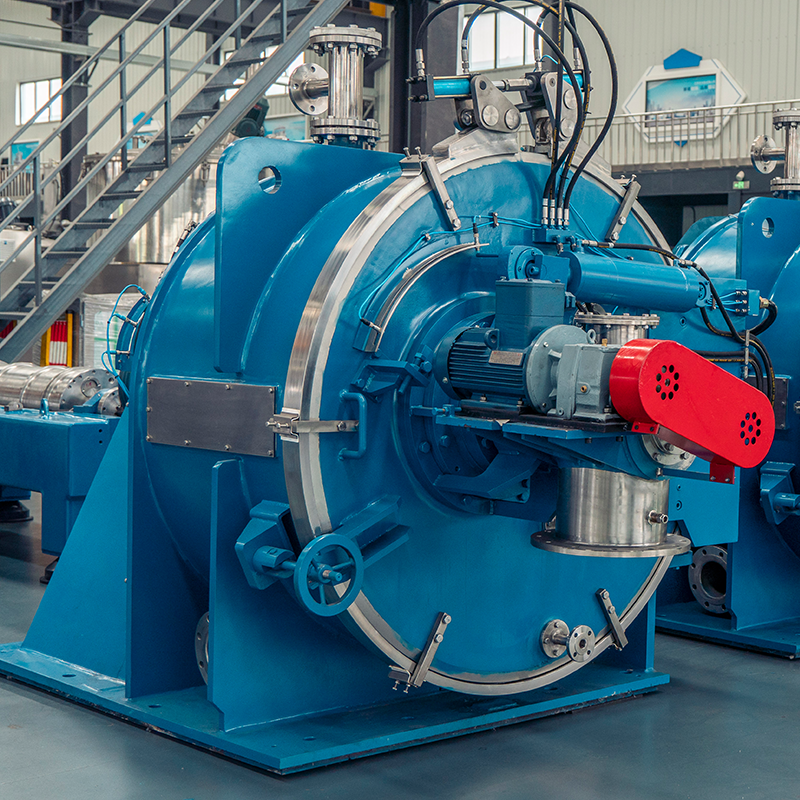
If you operate a decanter centrifuge, you already know these machines are not just another piece of equipment on the floor. They are the heartbeat of your separation process. They run long hours, often 24/7, handling everything from municipal sludge to chemical slurries and food processing waste. And because they are so central to the operation, when one of these machines goes down unexpectedly, it is not just an inconvenience. It is a production line stoppage that costs real money every minute. That is why a well-planned maintenance schedule is not some optional checklist you glance at once a year. It is the single most important factor in determining whether your decanter centrifuge delivers years of reliable service or becomes a constant source of headaches and repair bills.
The reality is that most decanter failures do not happen out of nowhere. They are almost always the result of small, preventable issues that were ignored for too long. A bearing that ran a little hot for a few weeks. A slight increase in vibration that nobody logged. A gearbox oil change that got pushed back month after month. Individually, these things seem minor. But together, over thousands of operating hours, they add up to catastrophic failures that take the machine offline for days or weeks. The difference between a decanter that runs for 15,000 hours before needing a major overhaul and one that fails after 5,000 hours often comes down to nothing more than whether someone followed the maintenance calendar or just waited for something to break. Studies and manufacturer guidelines consistently show that a structured maintenance program, including daily, weekly, monthly and annual measures, is the foundation of reliable centrifuge operation. And here is the part that often gets overlooked: good maintenance does not just prevent breakdowns. It actually extends the overall lifespan of the machine. Regular care can add three to five years to the service life of a well-built decanter. When you look at the capital cost of these machines, that kind of extension is a massive return on a relatively small investment of time and attention.
The daily and weekly maintenance tasks for a decanter are not complicated, and they do not take a lot of time. But they are absolutely essential, and skipping them is where most problems start. Think of these as the equivalent of checking your car's oil and tire pressure. It takes five minutes, but ignoring it can lead to a blown engine or a blowout on the highway. The same logic applies here. Every single day, an operator should perform a quick walk around inspection. This means visually checking for loose bolts or cracked guards, looking for any signs of leaks around the discharge hopper and piping, and taking note of the noise and vibration levels displayed on the control panel. Monitoring the machine daily by checking vibrations and bearing temperatures and looking for any unusual sounds is a fundamental practice that catches problems early. Another daily habit that pays huge dividends is keeping a simple logbook near the machine. Operators who track daily readings like bearing temperatures spot trouble early, often saving thousands of dollars in repairs. A bearing temperature that climbs just five degrees over a few days is telling you something, and that something is usually a lubrication issue that needs attention.
When you move to the weekly routine, lubrication becomes the main event. For machines running continuous 24/7 operations, the main drum bearings typically need fresh grease every three to five days, not just once a week. Manual greasing of the internal bearings is critical because it supplies fresh lubricant, flushes out any contaminants that have worked their way in, and gives you a direct indication of the bearing's condition. You also want to check the casing for any solids buildup and remove it if necessary. Weekly checks should also include a look at belt tension if your machine uses a belt drive system. A slack belt is inefficient and can slip, causing inconsistent separation and unnecessary wear. Monthly maintenance tasks dig a little deeper and require a planned shutdown of an hour or two. During this window, you should inspect the rotor and housing for any signs of wear, check all wiring and electrical components for damage or corrosion, and examine the solid and liquid discharge areas for any blockages that could restrict flow. These monthly inspections are also the right time to verify that all automatic monitoring systems and safety shut off devices are functioning correctly. These are the safeguards that protect the machine and the people around it, so making sure they work is not optional.
While daily and weekly checks keep the machine running smoothly day to day, the real long term reliability of a decanter depends on hitting the larger maintenance milestones correctly. And nothing is more important in this category than staying on top of lubrication. Different components have very different requirements, and mixing them up or guessing is a fast track to premature failure. The main bearings are the most critical, and their lubrication schedule should be followed strictly. A typical guideline is to top off the oil in the main bearings every 1,000 operating hours and perform a complete oil replacement every 8,000 hours. The gearbox has its own schedule. On a new or rebuilt gearbox, the oil should be changed after the first 500 operating hours. After that initial break in period, you can move to a regular interval of changing the gearbox oil every 4,000 hours or every six months, whichever comes first. For the conveyor internal bushes and thrust bearings, a grease application every 1,000 hours or monthly is a common standard. The main drive motor bearings need attention less frequently, with grease applied roughly every 7,000 hours on the drive end and every 13,000 hours on the non drive end. And here is a warning that cannot be overstated: never mix different types of grease. Incompatible greases can chemically break down and lose their lubricating properties entirely. If you need to switch brands, you must completely purge the old grease first.
Once a year, or roughly every 8,000 operating hours, the machine needs a thorough annual overhaul. This is not a quick inspection. It is a major service event that typically requires one to three days of planned downtime. During this overhaul, the internal systems undergo a comprehensive inspection. Every component gets evaluated for wear and damage. This includes a detailed examination of the bowl and conveyor, checking for corrosion, cracks, or signs of fatigue that are not visible during routine monthly checks. All seals and wear parts should be inspected and replaced if they show any signs of deterioration. The gearbox and drive system need careful scrutiny as well. Taking an oil sample from the gearbox and sending it to a lab for analysis is a smart practice at this stage. For a cost of around thirty to fifty dollars, a lab can detect early signs of gear wear, water contamination, or overheating before any visible damage occurs, potentially saving thousands in preventive repairs. Manufacturer recommendations also suggest that the main and internal bearings should be replaced entirely every 15,000 operating hours as a proactive measure. Annual maintenance is also the time to perform functional checks on all interlocking devices and system controls, and to replace any PLC batteries that keep your program logic intact. Skipping the annual overhaul might save a few days of downtime in the short term, but it almost guarantees a much longer, unplanned outage somewhere down the road.
Understanding the maintenance calendar is only half the battle. The other half is understanding the common mistakes and warning signs that even experienced operators sometimes miss. Vibration is the number one indicator of trouble in a rotating machine, and learning to read it correctly can prevent a lot of damage. Some vibration is normal, especially during startup and shutdown as the bowl passes through its resonance frequency. But excessive vibration beyond established limits is a clear signal to stop and investigate. Gradual increases in vibration over time often point to wear on the bowl or scroll due to abrasive particles in the feed. This is why logging vibration levels regularly is so valuable. New machines from the manufacturer typically show vibration levels between 2 and 4 millimeters per second. Used machines in good condition will operate around 8 millimeters per second. If you see numbers climbing above 10 millimeters per second, it is time for a serious inspection and likely a bearing replacement. Sudden, sharp increases in vibration are even more urgent and usually signal a broken part, a bearing failure, or material that has fallen over inside the bowl during shutdown and created an imbalance.
Bearing temperature is the other critical vital sign. If a bearing housing is running hot during no load operation, the most common causes are degraded lubricant that has lost its properties, a bearing that is damaged or has insufficient clearance, or a drive belt that is tensioned too tightly and creating excessive friction. Differential temperature is another watchpoint. A differential running hot almost always indicates either a lack of oil or an excessive load on the system. And then there are the operational habits that slowly eat away at machine life. One of the worst is failing to properly flush the machine before a shutdown. When a decanter stops with solids still inside the bowl, those solids settle, harden, and create a massive imbalance the next time you try to start up. A proper shutdown means cutting off the feed first, letting the machine spin until no more solids discharge, then introducing a good flow of clean water through the feed pipe while the bowl is still rotating to scour the interior clean. The last thing to remember is that genuine parts and proper tools matter. Using generic components or the wrong lubricants might save a few dollars on the front end, but it will cost far more in reduced performance and shorter equipment life. Sticking to the recommended maintenance schedule, using approved lubricants and genuine spare parts, and training operators to recognize early warning signs are the keys to keeping a decanter centrifuge running smoothly and profitably for years to come.
 Hot News
Copyright © 2025 Jiangsu Huada Centrifuge Co., Ltd. All Rights Reserved Privacy policy
No. 88 Qigan Road, Yangshe Town, Zhangjiagang City, Jiangsu Province, China
Copyright © 2025 Jiangsu Huada Centrifuge Co., Ltd. All Rights Reserved Privacy policy
 EN
EN
 AR
AR
 HR
HR
 CS
CS
 DA
DA
 NL
NL
 FI
FI
 FR
FR
 DE
DE
 EL
EL
 HI
HI
 JA
JA
 KO
KO
 NO
NO
 PL
PL
 PT
PT
 RO
RO
 RU
RU
 ES
ES
 SV
SV
 TL
TL
 ID
ID
 LT
LT
 SR
SR
 SK
SK
 UK
UK
 VI
VI
 HU
HU
 TH
TH
 TR
TR
 FA
FA
 MS
MS
 IS
IS
 LO
LO
 LA
LA
 MN
MN
 MY
MY
 KK
KK
 UZ
UZ
 IT
IT