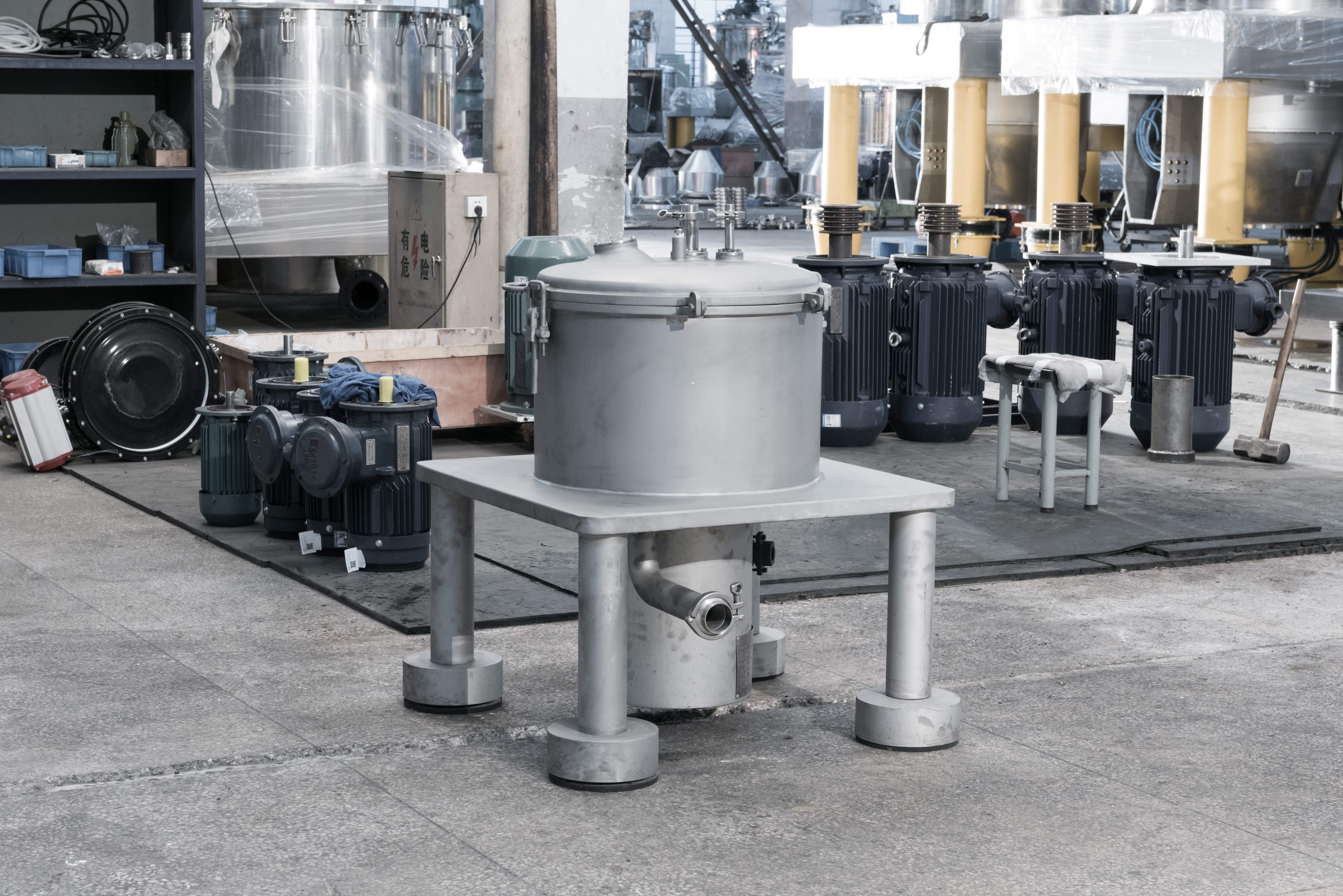
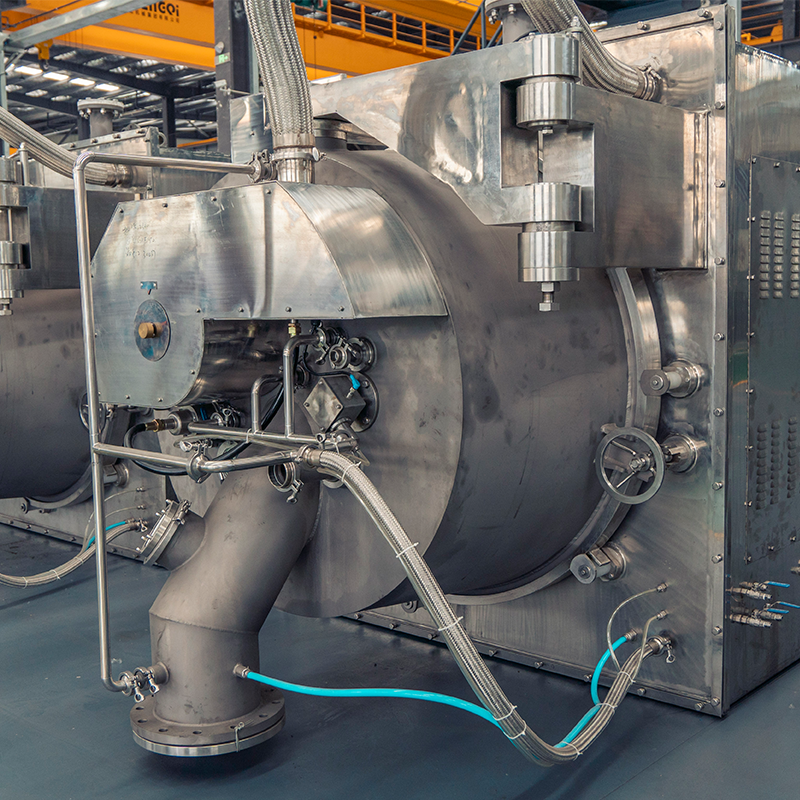
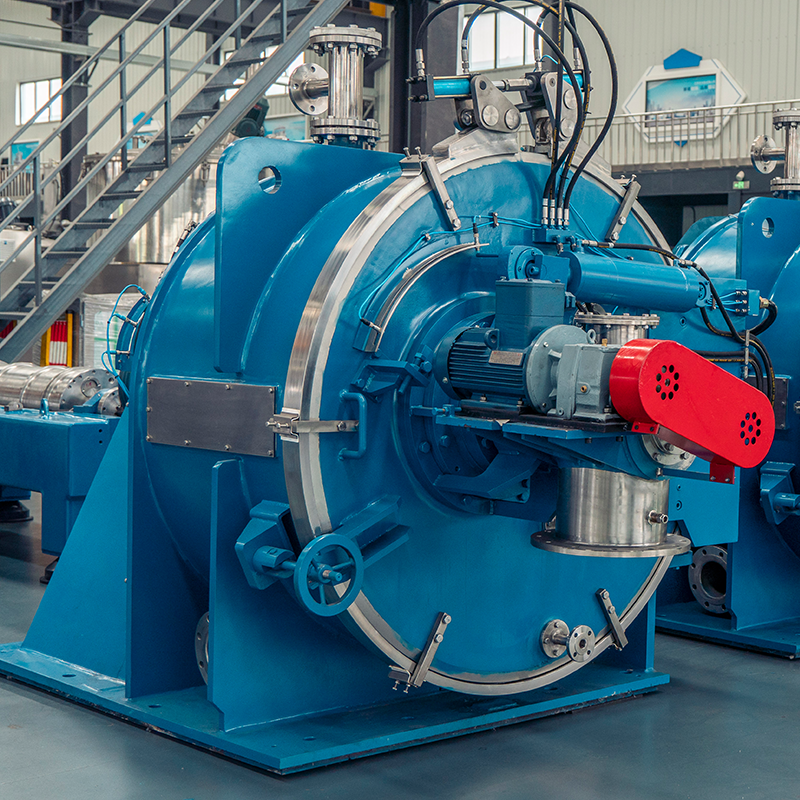
If you operate in a chemical, pharmaceutical, or wastewater treatment facility, you are likely familiar with screen worm centrifuge. As a solid liquid separator, this machine performs its tasks efficiently. However, as any machine, problems may arise. Perhaps you have noticed that the exiting product is too wet, or that the machine is making a noise that it has not made before. Understanding the inner workings of the centrifuge can prevent you from calling a service technician too soon. Having over 30 years of experience building and servicing centrifuges, the staff at Huada are familiar with just about every hiccup you can think of. In this article, we will go over many of the problems that operators encounter and how to remedy them.
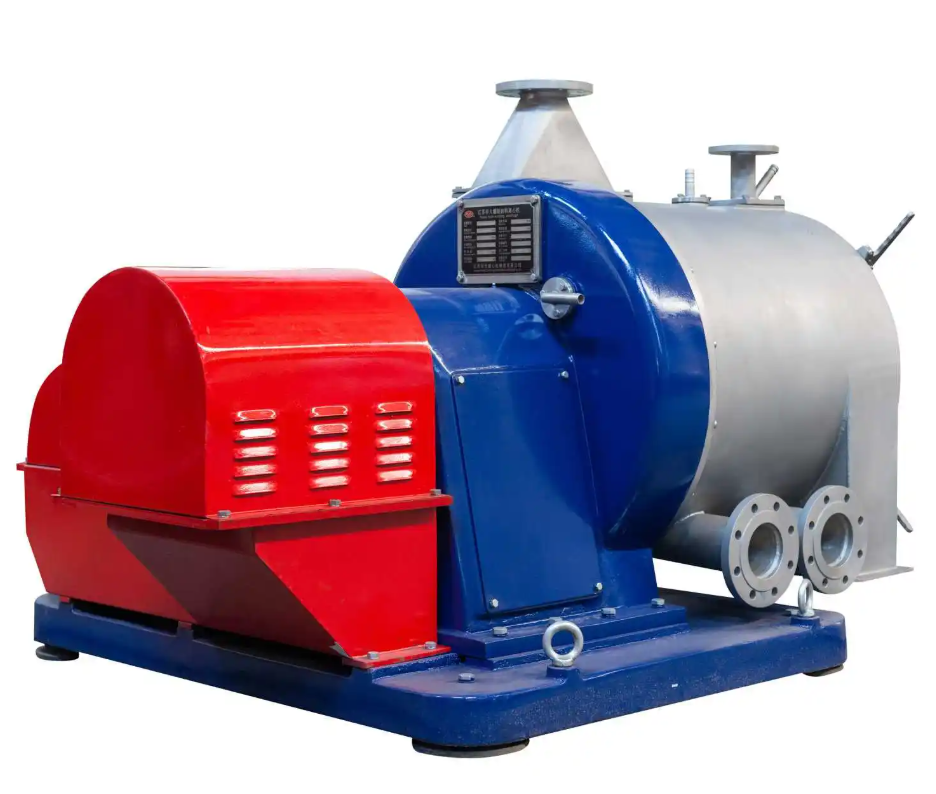
One of the most frustrating potential problems we hear about most commonly is related to the feed and wash cycles. The whole purpose of a screen worm centrifuge is to separate the solids from the liquids, and wash the solids if necessary. But if the feed is not uniform, the machine is unable to operate to its full capacity. Perhaps the slurry is coming in too quickly, or it is too thick one minute and too thin the next. This throws off the entire equilibrium.
Now let us consider what happens inside. The wash liquid needs to be able to penetrate the cake evenly to wash the solids. If the feed surges, cake formation will be uneven, and the wash liquid will simply carve a channel through the cake. This means some solids are not washed at all. Conversely, if the feed is too thin, you may not achieve a thick enough cake, causing you to push still wet solids out the end. Usually, the first step in fixing the problem happens upstream. For example, issues can be resolved by simply checking the feed pump and ensuring the slurry is mixed and consistent. Additionally, the wash nozzles should be checked, as they can become clogged over time, especially if there is unexpected debris in the feed. Keeping these clean will greatly improve the cleanliness of your end product.
When screen worm centrifuges start vibrating, shaking, or making sounds that are not part of their regular rhythm, they are trying to communicate to you. Just like check engine lights on cars, ignoring vibrations puts you at risk of making the issue worse and snowballing into expensive and difficult repairs.
If there is an imbalance in the machine it can cause vibrations. This can result from solids unevenly making an accumulation on the screen, or the screen itself is wearing. Sometimes, it is a failing bearing. These machines utilize heavy loads on the bearings which spin at a high velocity. Spotting a bad bearing early on is a simple repair, but ignoring a bad bearing can result in damage to the shaft or housing. You should also think about the scroll. The scroll is the machine part that moves the solids. If the scroll bends or becomes damaged, it can make contact with the screen which can cause loud, disruptive noise and vibrations. That is why the importance of experience that comes with decades of service, and regular inspections is necessary to keep everything from getting worse. One of the best tools is to be familiar with the normal sound and vibration of the machine.
The screen worm centrifuge screen is the main part of the process. It allows the liquid to flow through while retaining the solids. However, the screens can become blocked, an issue that we commonly refer to as blinding. When this occurs, particles become lodged in the openings of the screens, or when the solids that are a bit sticky and simply will not come off.
When screens start blinding, that means that liquids are not passing through quickly enough. In some cases you may even see that the solids are getting carried out wetter than usual because the machine will have no place to put the liquid. In some cases, the liquid even sits up above the solids and is carried out along the rest of the product. What is causing this? It is possible that the size of the screen slots are not suitable for the material you are working with. For example, if the particles are too similar to the size of the openings, they will get stuck. It can also be an issue with feed preparation; if the solids are too fine, sticky, or claw as opposed to floc, there may need to be some pretreatment, such as the addition of a flocculant or an adjustment of the temperature. Cleaning blinded screens can be a hassle. In some cases, you can use a solvent or wash it out with some form of high pressure water, but, if you do not get that lucky you will have to take it apart. No one likes downtime, so it is important to be mindful of all of screen and feed preparation.
Yet another issue that we commonly see is the machine having difficulty with moving the solids out of the machine. The screw or worm is built to push the solids that have been dewatered slightly towards the end discharge; however, this does not always happen seamlessly.
This is a common occurrence with fibrous or stringy materials. They tend to wrap around the scroll flights and build up over time until there is no room left for the new solids to advance. It is like a massive hair clog in a drain. Other times, materials may be particularly stick or soft. Instead of being pushed along, they smear on the scroll or the screen instead. This is illustrated by increase in torque on the scroll drive or the machine tripping out due to an overload condition. This is often the case when the scroll is operating in an overly passive way due to overly aggressive control settings on the scroll motor. Sometimes a change in design of the scroll is required. Different materials will require differing flight pitches and configurations. This is one of the cases where a manufacturer with a broad model line and a strong R&D is crucial. Such a manufacturer will have likely designed a scroll for exactly your type of material.
Here is the thing about a worm screen centrifuge. It is a sturdy piece of equipment, but it does not appreciate being neglected. Some simple proactive measures can go a really long way. We are talking about the basics. Regularly checking the lubricant levels. Assessing the condition of the belts. Hearing the bearings with a mechanic stethoscope from time to time. If you have monitoring equipment, keep monitoring the vibration levels.
Much of what we have discussed can be minimized with a good routine. If you know that your material tends to build up, you can plan a quick wash down at the end of every shift. If you know that a certain bearing has a defined lifespan within your application, you can replace it before it failures, during planned downtime. The companies that have built these machines for the last thirty years also happen to have great service teams. Leveraging that knowledge, perhaps through a training session for your operators, can be very beneficial. Machinesavvy operators are far better at identifying the early signs of imminent failure.
Screen worm centrifuge malfunctions can be frustrating, especially when it halts production. At least, it can be comforting to think that all incidents can be avoided and problems can be solved if one knows what to anticipate. Finding the underlying issue is the first step to formulating a solution. Inconsistent feed? Poor washing. Vibration? Imbalance. Screen blinding? Throughput is affected. Combining a wellestablished maintenance routine and a strong support channel with your suppliers, you can have the peace of mind knowing your assets should to be able to operate uninterrupted long into the future. No one can anticipate every problem. Fortunately, there are teams that have solved millions of problems that can come up. Your goal to keep the solid liquid separation process efficient can be achieved with peace of mind knowing your equipment.
 Hot News
Copyright © 2025 Jiangsu Huada Centrifuge Co., Ltd. All Rights Reserved Privacy policy
No. 88 Qigan Road, Yangshe Town, Zhangjiagang City, Jiangsu Province, China
Copyright © 2025 Jiangsu Huada Centrifuge Co., Ltd. All Rights Reserved Privacy policy
 EN
EN
 AR
AR
 HR
HR
 CS
CS
 DA
DA
 NL
NL
 FI
FI
 FR
FR
 DE
DE
 EL
EL
 HI
HI
 JA
JA
 KO
KO
 NO
NO
 PL
PL
 PT
PT
 RO
RO
 RU
RU
 ES
ES
 SV
SV
 TL
TL
 ID
ID
 LT
LT
 SR
SR
 SK
SK
 UK
UK
 VI
VI
 HU
HU
 TH
TH
 TR
TR
 FA
FA
 MS
MS
 IS
IS
 LO
LO
 LA
LA
 MN
MN
 MY
MY
 KK
KK
 UZ
UZ
 IT
IT