پس شما در دنیای جداسازی جامد-مایع حرکت میکنید و بهطور مداوم دربارهٔ سیکلونهای تخلیه عمودی بالایی میشنوید. این اصطلاح در صنایع مختلفی از جمله داروسازی، مواد شیمیایی دقیق، فرآوری مواد غذایی و معادن مطرح میشود. اما دقیقاً چه ویژگیای این طراحی را از سایرین متمایز میکند؟ مهمتر از آن، با وجود تعداد زیادی مدل و پیکربندی مختلف در بازار، چگونه میتوانید بین این گزینهها تمایز قائل شده و مناسبترین سیکلون را برای کارخانهٔ خود انتخاب کنید؟
این را بهعنوان راهنمای عملی خود در نظر بگیرید. ما فراتر از اصطلاحات تخصصی پیش میرویم و سانتریفیوژ تخلیهشونده از بالا با محور عمودی را به بخشهای قابلدرکی تجزیه میکنیم. بررسی میکنیم که چرا روش منحصربهفرد تخلیه از بالا آن، تحولی بزرگ در بسیاری از کاربردها محسوب میشود و مهمتر از همه، جدول مقایسهای شفاف ارائه میدهیم تا تفاوتهای بین انواع رایج را بهصورت بصری درک کنید. تا پایان این مطلب، چارچوبی محکم برای آغاز گفتوگوها با تأمینکنندگان و اتخاذ تصمیمی آگاهانهتر خواهید داشت. بیایید وارد جزئیات شویم.

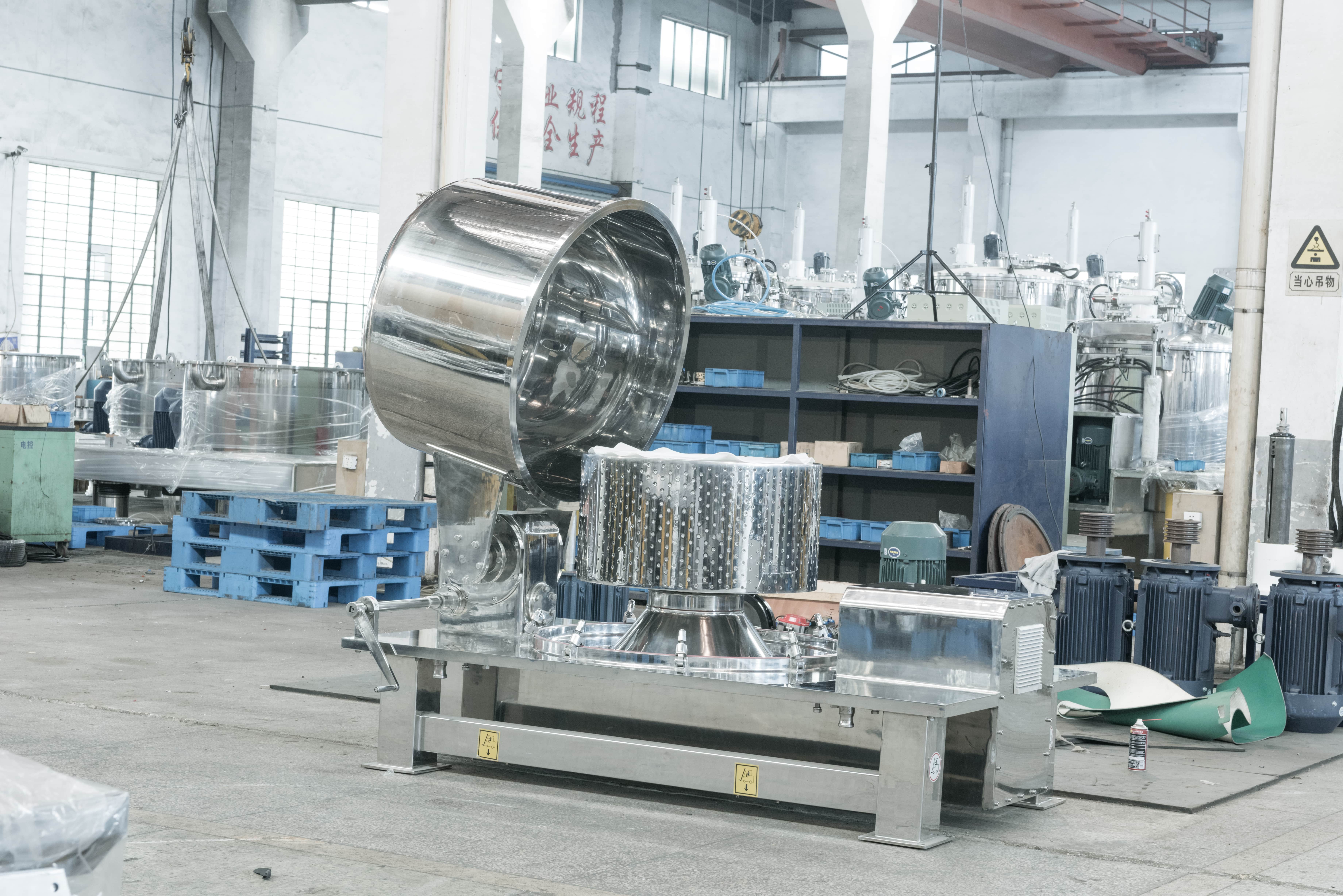
در قلب این دستگاه، سانتریفیوژ تخلیهشونده از بالا با محور عمودی دقیقاً همان چیزی است که نام آن نشان میدهد: سانتریفیوژی با سطل (یا درام) چرخانی که بهصورت عمودی قرار گرفته و مواد جامد جداشده—یعنی کیک فیلتر—پس از اتمام چرخه، بهصورت دستی یا خودکار از بالای آن خارج میشوند. این مفهوم ساده تخلیه از بالا، چندین مزیت قابلتوجهی را آشکار میسازد که این دستگاه را به یکی از اجزای اصلی بسیاری از صنایع فرآیندی تبدیل کرده است.
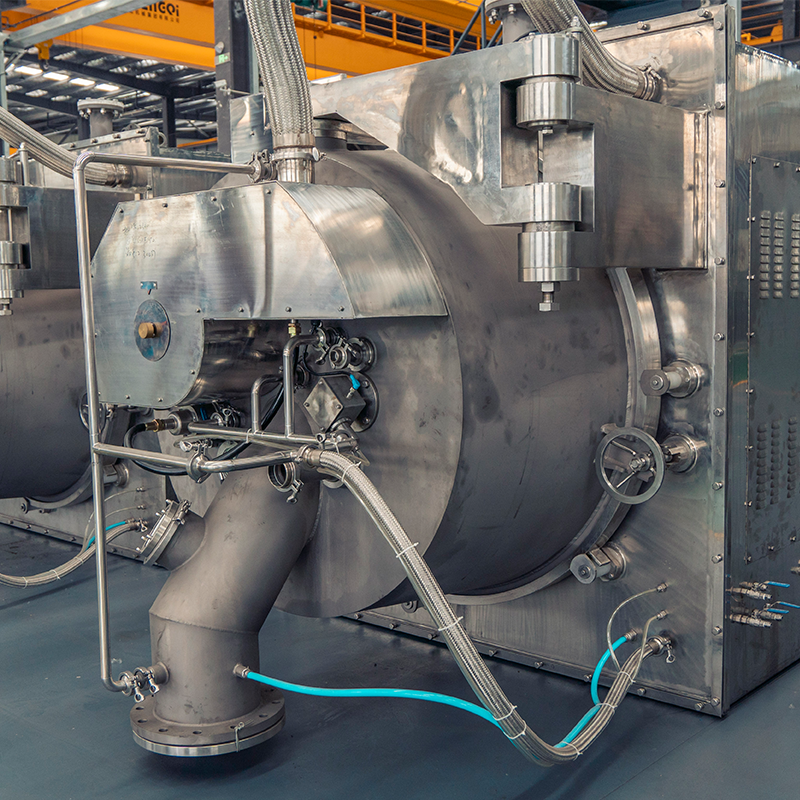
برترین مزیت این سیستم، نرمی و ملایمت آن در برخورد با محصول است. برای محصولات بلورین ارزشمند، کاتالیزورهای شکننده یا دانههای ظریف مواد غذایی، حفظ تمامیت ساختار بلوری امری اساسی و حیاتی است. روش تخلیه از بالا — بهویژه هنگامی که با ویژگیهایی مانند کیسه فیلتر پارچهای قابل جداشدن ترکیب شود — امکان بیرونآوردن کیک فیلترشده را بهصورت ملایم و بدون اعمال نیروهای فشاری یا برشی که ممکن است توسط شخمزنها یا پاککنندههای مکانیکی ایجاد شوند، فراهم میسازد. این امر کیفیت و بازده محصول شما را حفظ میکند. دومین مزیت این طراحی، عالی بودن آن از نظر تمیزی و جداسازی ( containment ) است. نسخههای مدرن این سیستم دارای پوستهای کاملاً بسته و صیقلی از فولاد ضدزنگ هستند که بهعنوان ظرفی امن عمل میکنند. این جداسازی برای کار با مواد فرار، سمی یا قابل اشتعال بسیار حیاتی است، زیرا امکان اتصال به سیستمهای محافظتی گاز خنثی مانند سیستم حفاظت نیتروژنی را فراهم میسازد تا از اشتعال یا اکسیداسیون جلوگیری شود. علاوه بر این، کل محفظه بهگونهای طراحی شده که تمیزکردن آن آسان باشد. درپوش بزرگ و کاملاً بازشونده، دسترسی کاملی به سطل داخلی و پوسته فراهم میکند تا شستوشوی دقیق و جامع امکانپذیر باشد؛ بنابراین این سیستم برای صنایعی که استانداردهای بهداشتی بسیار سختگیرانهای دارند — مانند صنعت داروسازی (مطابق با موازین GMP) و تولید مواد غذایی — ایدهآل است.
از نظر عملیاتی، این ماشینها انعطافپذیری ارزشمندی ارائه میدهند. این ماشینها ذاتاً ماشینهای کارکرد دستهای هستند که آنها را بهطور ایدهآل برای واحدهای تولیدی چندمحصولی که نیاز به تغییر مکرر بین مواد مختلف دارند، مناسب میسازد. تمیزکردن و تغییر محصول نسبتاً ساده است. هرچند عمدتاً در فرآیندهای دستهای استفاده میشوند، طراحی مستحکم آنها امکان پردازش طیف وسیعی از مواد — از سوسپانسیونهای ریز دانه تا مواد الیافی — را فراهم میکند.
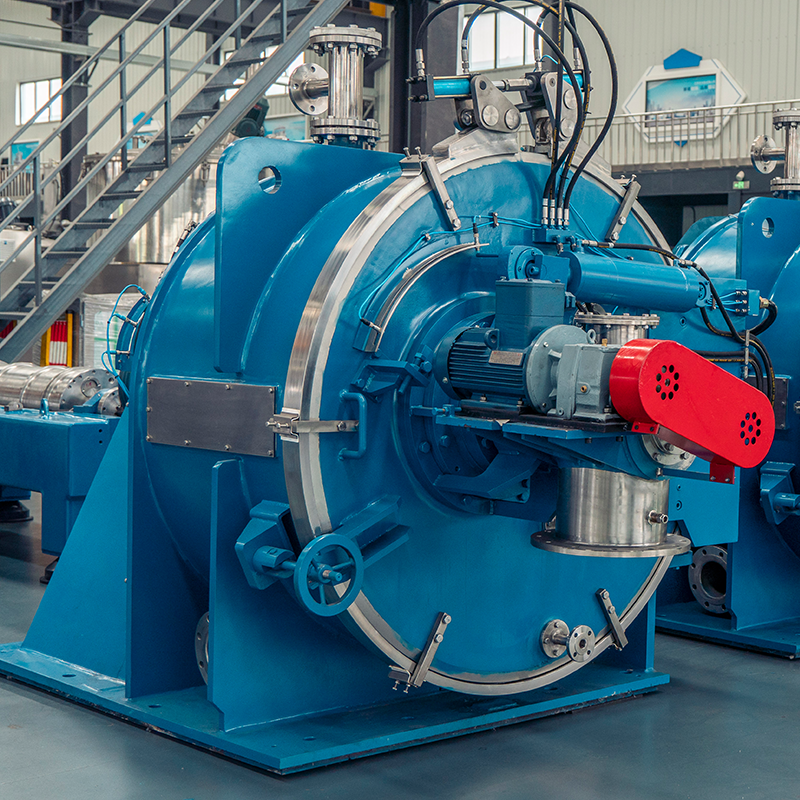
تمامی سانتریفیوژهای عمودی با خروجی بالایی یکسان ساخته نشدهاند. بازار مدلهای متنوعی را ارائه میدهد که هر کدام برای مقیاسهای عملیاتی متفاوت، سطوح مختلف اتوماسیون و نیازهای خاص صنایع طراحی شدهاند. نمودار زیر بر اساس پارامترهای فنی و ویژگیهای طراحی جمعآوریشده از منابع صنعتی، برخی از رایجترین پیکربندیها را تفکیک میکند.
| ویژگی / مدل | نوع سهپایه سنتی (SS/SB) | نوع صفحهای مدرن (PSB/PBZ) | صفحهای ظرفیت بالا (PSD/PQSB) |
|---|---|---|---|
| طراحی اصلی | سبد معلق روی سه ستون فنری. | سبد نصبشده روی صفحهی تخت و محکم (صفحهی پایه). | سبد سنگین روی صفحهی تخت تقویتشده. |
| روش آزادسازی | بالا بردن دستی یا با کیسه از بالا. | بالا بردن دستی، با کیسه یا خودکار از بالا. | بالا بردن دستی، با کیسه یا خودکار از بالا. |
| قطر حداکثر معمول سبد | تا ۱۲۰۰ میلیمتر. | معمولاً تا ۱۰۰۰–۱۲۵۰ میلیمتر. | اغلب ۱۲۵۰ میلیمتر و بزرگتر برای کار با ظرفیت بالا. |
| ظرفیت کاری معمول | حدود ۳۰ تا ۳۱۰ کیلوگرم در هر بار تولید. | حدود ۱۳۵ تا ۴۰۰+ کیلوگرم در هر بار تولید. | تا ۵۵۰ کیلوگرم در هر بار تولید یا بیشتر. |
| مزیت کلیدی | طراحی کلاسیک و مقرونبهصرفه برای کاربردهای عمومی. | مرکز ثقل پایینتر، پایداری عالیتر، و تمیزکاری سادهتر (CIP). | طراحیشده برای بارهای سنگین و چرخههای صنعتی پ demanding. |
| مساحت اشغالشده و پایداری | ارتفاع بیشتر، نیازمند فضای سری بیشتر، پایداری متوسط. | ارتفاع کم، مساحت اشغالشده فشرده، عملکرد بسیار پایدار. | مساحت اشغالشده محکم، طراحیشده برای مقاومت بالا در برابر لرزش. |
| سیستم رانش معمولی | راندهشده توسط تسمه با موتور خارجی. | گزینههای موتور مستقیماً جفتشده یا راندهشده توسط تسمه. | اغلب مستقیماً جفتشده یا با سیستمهای تسمه سنگین. |
| ایدهآل برای | کاربردهای عمومی، اندازه دستههای کوچکتر و استفاده با فرکانس پایینتر. | کاربردهای بهداشتی (GMP)، تمیزکاری مکرر، نیروگاههای مدرن. | پردازش لجن فاضلاب، مواد شیمیایی یا معدنی در دستههای بزرگ. |
نمودار مقایسهای نقطه شروعی است، اما انتخاب نهایی شما باید بر اساس نیازهای فرآیندی خاص شما صورت گیرد. در اینجا نحوه استفاده از این اطلاعات آورده شده است. ابتدا اندازه دسته و مقیاس خود را ارزیابی کنید. اندازه دسته و مقیاس اگر فرآیندهای شما در مقیاس آزمایشگاهی هستند یا شامل دفعات کوچک و ارزشمند میشوند، مدل سهپایه یا صفحهای (پلاتن) کوچکتر کافی است. برای عملیات پیوسته و با ظرفیت بالا که در تولید مواد شیمیایی عمده یا صنایع معدنی رایج است، مدلهای صفحهای (پلاتن) با ظرفیت بالا تنها گزینهی قابلاجرا هستند. هرگز دستگاهی را انتخاب نکنید که بهطور مداوم در حداکثر بار قابل تحمل خود کار میکند؛ زیرا این امر منجر به سایش زودرس آن میشود.
دوم، به ویژگیهای محصول و استانداردهای segu صنعتی خود توجه کنید. آیا محصول شما بلورین و شکننده است؟ در این صورت، ملایمت سیستم تخلیه با بالابر کیسهای احتمالاً غیرقابلانکار است. آیا در حال پردازش یک مادهی میانی دارویی هستید؟ در این صورت، مدل صفحهای (پلاتن) کاملاً صیقلی، قابلیت تمیزکاری درجا (CIP) داشته و مطابق استانداردهای GMP طراحیشده، ضروری است. برای حلالهای انفجاری یا سمی، باید مدلی را مشخص کنید که بهطور کامل در برابر نشت محافظت شده و دارای گزینههای پاکسازی گازی و اجزای ضدانفجار باشد.
در نهایت، بهصورت بلندمدت دربارهٔ اتوماسیون و هزینههای عملیاتی فکر کنید مدل دستی پایه هزینه اولیه کمتری دارد، اما هزینه نیروی کار در طول عمر آن بالاتر است. این مسئله را در مقابل سرمایهگذاری اولیه برای یک سانتریفیوژ عمودی با تخلیه از بالا و نیمهاتوماتیک یا کاملاً اتوماتیک مقایسه کنید که میتواند مداخله اپراتور را کاهش دهد، ثبات عملکرد را بهبود بخشد و ایمنی را افزایش دهد. همچنین درباره ویژگیهای استاندارد و اختیاری استعلام نمایید: آیا تبدیلکننده فرکانس برای راهاندازی نرم در این مدل گنجانده شده است؟ گزینههای موجود برای نظارت بر ارتعاشات، کرههای پاشش خودکار برای تمیزکاری و کنترلکنندههای منطقی برنامهپذیر (PLC) چیست؟ این عوامل تأثیر قابل توجهی بر هزینه کل مالکیت دارند.
انتخاب نوع مناسب سانتریفیوژ نیمی از مسئله است؛ انتخاب شریک مناسب برای ساخت و پشتیبانی از آن، نیمهٔ دیگر است. به دنبال تولیدکنندهای با دانش عمیق کاربردی در صنایع مختلف باشید. شرکتی مانند HUADA که تجربهای گسترده در حوزههای داروسازی، شیمیایی و فاضلاب دارد، میتواند بینشهای ارزشمندی فراتر از مشخصات فنی تجهیزات ارائه دهد. پشتیبانی فنی و شبکه خدماتی آن را ارزیابی کنید — نگهداری و تعمیرات سریع و متخصص برای حداقلسازی زمان ایستکاری بسیار حیاتی است. در نهایت، اهمیت آزمون را دست کم نگیرید. یک تولیدکننده معتبر باید امکان آزمون نمونه واقعی مواد شما را در یک دستگاه نمونهساز (پایلوت) را فراهم کند. این قابلاطمینانترین روش برای تأیید عملکرد جداسازی، خشکی کیک رسوب، کارایی شستشو و پیشبینی زمان چرخهها پیش از سرمایهگذاری اساسی است. این رویکرد مبتنی بر دادهها تضمین میکند که سانتریفیوژ تخلیهشونده از بالا (Vertical Upper Discharge Centrifuge) انتخابشده توسط شما تنها یک قطعه تجهیزات نباشد، بلکه راهحلی مورد تأیید و قابلاطمینان باشد که دقیقاً برای موفقیت شما سفارشیسازی شده است.
 اخبار داغ
کلیه حقوق محفوظ است © 2025 شرکت جیانگسو هوا دا سنتیفیوژ. همه حقوق این شرکت محفوظ است سیاست حفظ حریم خصوصی
شماره 88، جاده قیان، شهرک یانگشئ، شهرستان زانگجیاگانگ، استان جیانگسو، چین
کلیه حقوق محفوظ است © 2025 شرکت جیانگسو هوا دا سنتیفیوژ. همه حقوق این شرکت محفوظ است سیاست حفظ حریم خصوصی
 EN
EN
 AR
AR
 HR
HR
 CS
CS
 DA
DA
 NL
NL
 FI
FI
 FR
FR
 DE
DE
 EL
EL
 HI
HI
 JA
JA
 KO
KO
 NO
NO
 PL
PL
 PT
PT
 RO
RO
 RU
RU
 ES
ES
 SV
SV
 TL
TL
 ID
ID
 LT
LT
 SR
SR
 SK
SK
 UK
UK
 VI
VI
 HU
HU
 TH
TH
 TR
TR
 FA
FA
 MS
MS
 IS
IS
 LO
LO
 LA
LA
 MN
MN
 MY
MY
 KK
KK
 UZ
UZ
 IT
IT