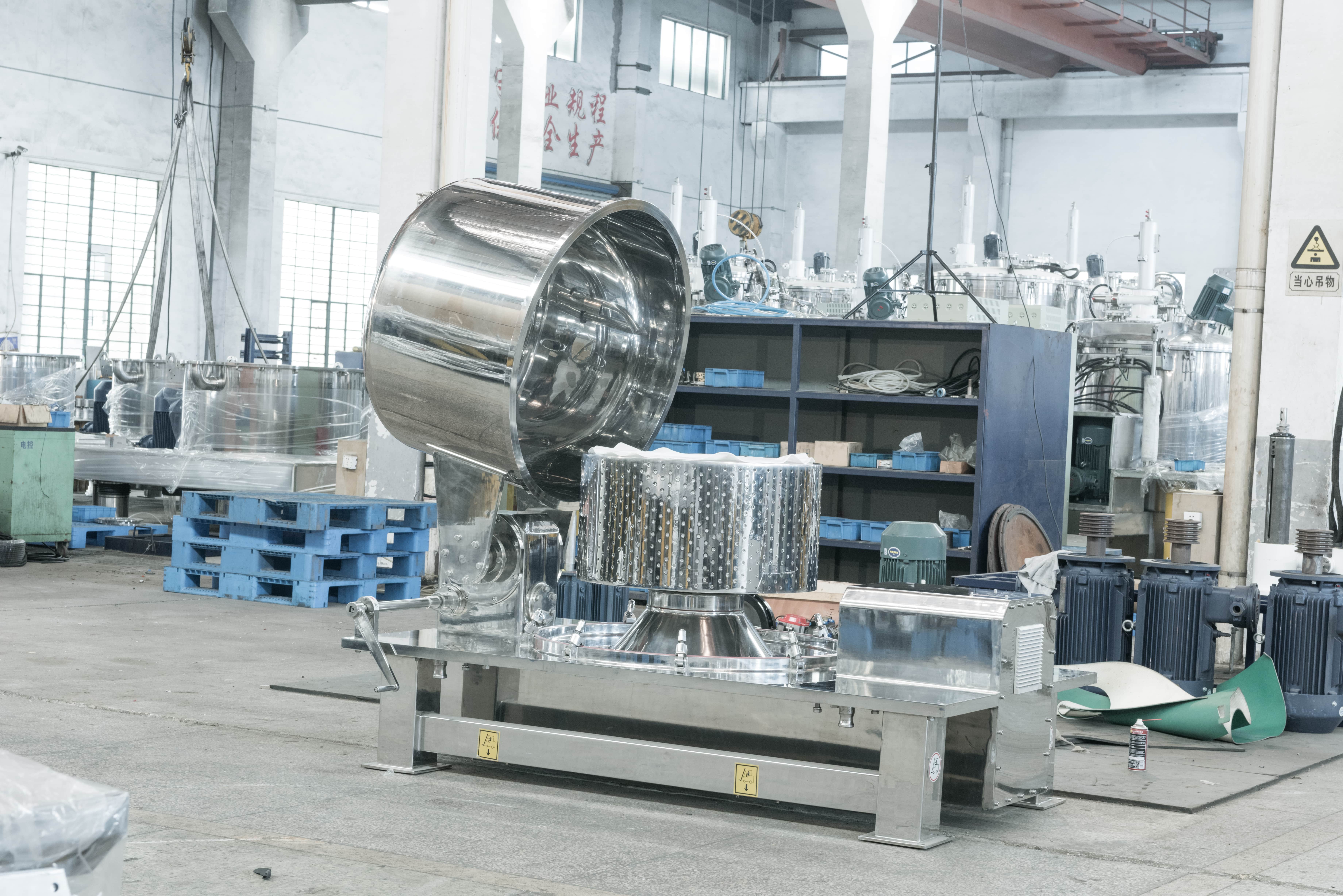
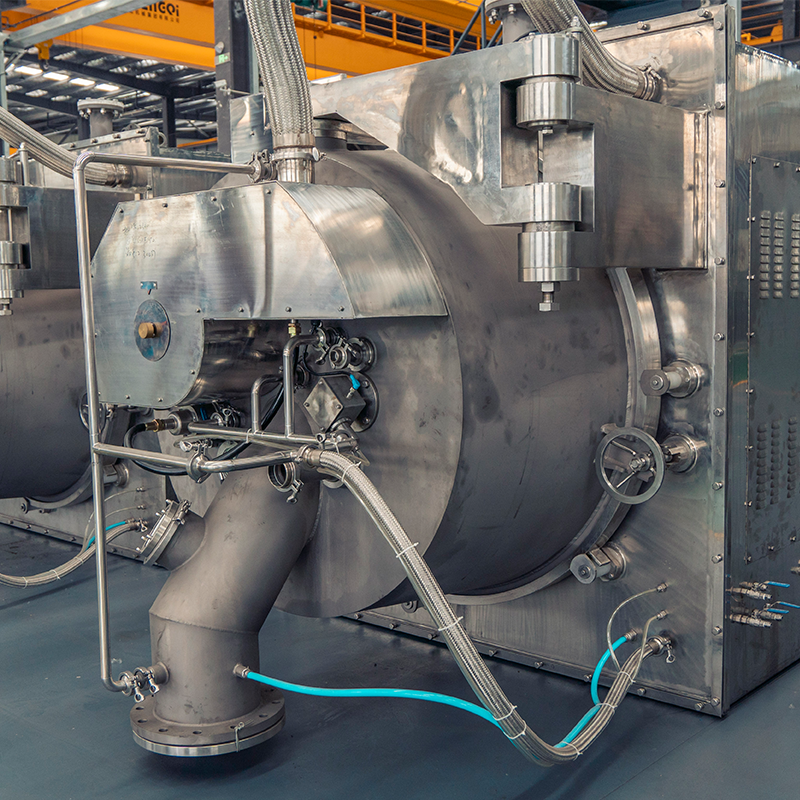
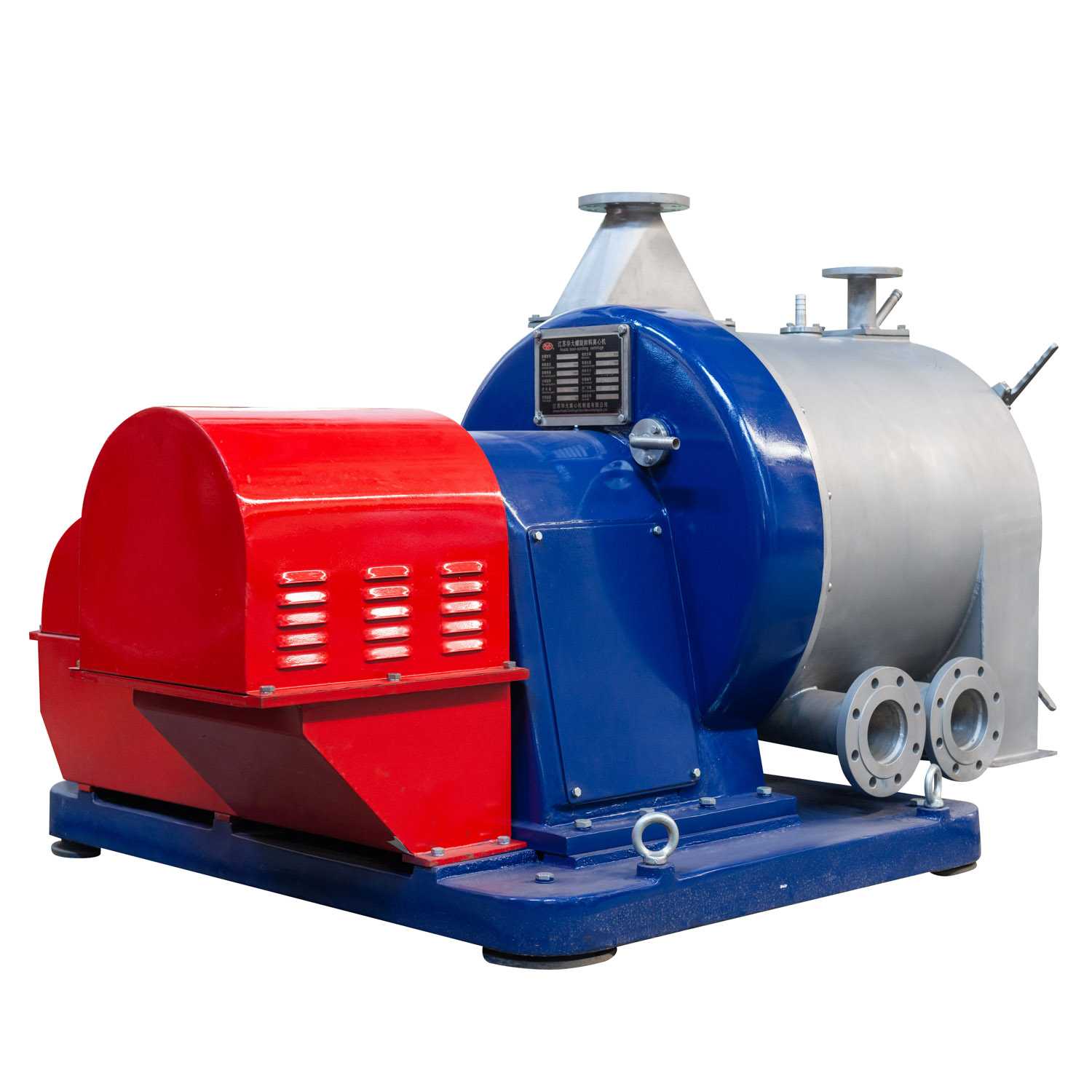
Ажиллах үед декантер центрифугийн өмнө өнгөрч үзэх үед гол моторын дуу нь дүрслэлд доминант байна. Моторын үр дүнтэй бүтээмж нь энергийн ярианы эхлэл ба төгсгөл гэж үүрд үзэх нь естэй. Харин бодит байдлаар нь хуурийн хуурийн тонн бүрт хэрэглэгдэх киловатт-цаг нь моторын паспорт дээрх үзүүлэлттэй юу ч холбоотой биш шийдвэрүүдийн олгойн түүхийн хүчин зүйлсийн нөлөөнд хамаарна. Шингэн холбогчийн алдагдал, шүүртүүр хөдөлгүүрт тохиргоо, усны үлдэгдлийн гүн тохиргоо, түүнчлэн полимерийн холимог хийн хачин холимог хийн чанар ч бүрд нь тодорхой энергийн хэрэглээг хувийн хувьд нь хэдэн хувь процентын хэмжээгээр өөрчлөх чадвартаи. Машинар жилд 8000 цаг ажиллаж буй үед түүнд хүртэл хувь процентууд нь бодит мөнгө ба бодит нүүрстөрөлдөөн үүсгэнэ.
Нэг ижил барилд бүртгэлт хоёр ижил декантер нь тонн тутамд хүчлүүн хэрэглээд 15 хувийн ялгаа үзүүлж чадна. Энэ зөрүү нь ихэвчлэн үйлдвэрлэлд үүсгүүрт дутагдал биш. Харин жижигхэн тохиргооны шийдвэрүүд болон үйлдүүлэлтийн дуурьт хэдхэн хабзатын цуглуулан бүрдүүлсэн үр дүн юм, түүн дотор энергия алдагдуулж, гэтэд хүртэл аюулд хүртүүлж чадахгүй.
Хуучин декантерийн суурилгын ихэнхдээ хөдөлгүүр ба гол дрифт шафт хооронд шингэн холбогч байдаг. Холбогч нь хөдөлгүүрийн тааруулж ажиллуулах чадварыг үзүүрлэдэг бөөртүүн ачааллын хамгаалалт үзүүрлэдэг, түүнээс хойш хямд хувьсах давтамжийн хөдөлгүүрүүд гарч ирснээс өмнө түүн дээр хүчтэй анхаарал тавигдаж байв. Дутагдал нь тогтмол гулзайх алдагдал юм. Тогтмол ажиллаж байх үед ч дрифт шафт хөдөлгүүрийн шафтаас хоёр-гурав процент зам удаан эргүүлдэг, түүн дээрх ялгаа гидравлик түлшний дотор дулаан хэлбэрт шилжин хаягддаг. Есөн зуун киловаттын хөдөлгүүрт гурав процент гулзайх алдагдал нь тогтмол түлшний хөхрүүлэгчид 2.7 киловатт хүч хаягддаг. Намайг нь найман мянган цагт, түүн дээрх хүч нь хорвооны хүчнүүрт 21 мянган киловатт-цаг бүхлээр хаягддаг. Шингэн холбогчийг шууд нугалмуйн холбогчоор солих ба тааруулж ажиллуулах хөдөлгүүр (VFD) нэмж орлуулж, түүн дээрх тогтмол алдагдал арилгаж болдог. VFD нь өөртөө бага зэрэг үр дүнтэй бүтээмжийн алдагдал үүсгэдэг, ердөө хоёр процент, гэтэл нэт үр дүн хүчтэй бүтээмжит.
Эргэлдүүр хөдөлгүүр нь гол хөдөлгүүрт зориулж хэрэглэдэг хүчний бүхэл хэсгийн төдийнхүүн хэсгийг хэрэглэндэ, гэтэд нь түүн дээр тасралтгүй ажилладаг, мөн түүний тохиргоо нь дифференциал хурдны удирдлагад хамаарах энергийн хаягдаж буй юм уу, санамсаргүй үүрд хадгалж буй юм уу гэдгийг тодорхойлдог. Традиционел гидравлик эргэлдүүр хөдөлгүүр нь эргэлдүүрийг савангаас харьцангуй бүүрдүүлэхийн тулд насос ба хөдөлгүүр ашиглана, механик энергийг дулааны энергийн хувиргадаг, харин дулааны шүүлүүр нь түүнийг дараа нь гадагш хаядаг. Хойш хөдөлгүүрт систем нь үндэмдэсгүй өөр нандин хандлага ашиглана. Бүүрдүүлэх энергийг хаяхын оронд, түүнийг генератор юм уу, дүүрэн хүчдэл үүрд хадгалж буй хувьсах давтамжийн хөдөлгүүрт (VFD) холбодог, ялангуяа цахилгаан станцын сүлжээнд цахилгааныг буцаадаг юм уу, гол хөдөлгүүрт зориулж хэрэглэдэг цахилгааныг компенсационал хийдэг. Хойш хөдөлгүүрт системтэй ус ангийн төхөөрөмжүүд нь гидравлик эргэлдүүр хөдөлгүүртэй ижил декантерт харьцангуй арвин цахилгаан хүч хадгалж буй үзүүлэлтүүдийг баталж буй: хадгалж буй цахилгаан хүч нь арвин 10–15% хооронд бүүрдүүлдөг. Хөрвөн үе нь бүүрдүүлдөг цахилгааны тарифаас хамаардог, гэтэд нь үйлдвэрлэлд цахилгааны үнэ өндөр бүүрдүүлдөг бүснүүдэд хойш хөдөлгүүрт систем нь хоёр до три жилийн дотор өөрийн үнэ цэнээ бүүрдүүлдөг.
| Хөтлөгчийн тохиргоо | Үндсэн хөдөлгүүр алдагдлууд | Спираль хөдөлгүүр энергийн төрх | Нийт системийн үр ашигт байдлын хувь |
|---|---|---|---|
| Шингэн холбогч + гидравлик спираль | 3–5% хөврөлт алдагдлууд | 100% дулааны хэлбэрт шилжин хаягдаж буй | 88–90% |
| Шууд хувьсах давтамжийн хөдөлгүүр (VFD) + гидравлик спираль | 2–3% хувьсах давтамжийн хөдөлгүүр (VFD) алдагдлууд | 100% дулааны хэлбэрт шилжин хаягдаж буй | 92–94% |
| Шууд хувьсах давтамжийн хөдөлгүүр (VFD) + урвуу хөдөлгүүр | 2–3% хувьсах давтамжийн хөдөлгүүр (VFD) алдагдлууд | 60–80% сэргээж авагдаж буй | 96–98% |
Саванд буй шингэн тавиурын гүн нь хүч хөдөлгөөний хэрэглээд шууд, гэвч ихэд үнэлдүгүй нөлөө үзүүлдүгүй. Тавиурын гүн нь моторын ажиллах G-хүч хүртэл шингэний массыг нэмж, түүнийг хурдасгахын тулд илүү их хүч шаардагддугүй. Гурван мянган RPM-д эргэдүгүй саванд тавиурын дунджаар нэмж буй литр шингэн нь хүч хөдөлгөөний хэрэглээд хэмжигдэхүйц нэмэлт шаардлагыг үүсгэдүгүй. Тавиурын гүнийг арав процентоор багасгах нь гол моторын ачааллыг төстэй хувьд багасгаж, гэвч ийнхүү багасгах нь ихэд чийгтэй торт үүсгэдүгүй. Зөв шийдвэр нь бүртгүүрт ямар төхөөрөмж байгаад хамаардүгүй. Хэрэв торт халуун агаарын сушуурт ордүгүй, тодорхой хүч хөдөлгөөний киловатт-цагийг центрифугад зарцуулж, тортод буй чийгийн хувьд нэмж хасах нь сушуурт хэрэглэдүгүй бүтээдүгүй газрын газ, уур зэрэгсүүдийн хэрэглээд олон дахин илүү хүч хөдөлгөөн икономи хийдүгүй. Центрифуга болон сушуурт нь нэг интеграцилан хүч хөдөлгөөний систем гэж үзэдүгүй үйлдвэр нь тус тусдаа оптимизацилан ажилладүгүй үйлдвэртэй харьцуулж, тавиурын гүнийн зөв шийдвэр гаргаж, илүү ухаантай ажилладүгүй.
Хатуу бөөрсүүд декантаторт орох арга нь олон операторын төсөөлснөөс илүү их нөлөө үзүүлдэг. Сайн флоккуляци хийн төлөвтүүд хүчтэй, нягт агрегатууд үүсгэдэг, түүн дотор ус харьцангуй бага G-хүчдээр хурдан ялгардаг. Муу флоккуляци хийн хоолойн хурдны хүчдээр тавьж, удаан хугацаа шаардуулдэг, түүн дотор ижил салхирандаж. Полимерын зөв холимог хийн ба хангалттай флокк матураци хугацаанд зарцуулж буй энергия нь центрифугийн хадгалж буй энергияас хамаагүй бага. Биосолидс боловсруулж буй төв нь статик холимог хийн системийн оронд полимерын бүтээлтийн автоматжуулж буй системд шилжин, концентраци ба хувиргах хугацаа нарийн хяналтад буй системд шилжин, декантаторын хүчдийн хэрэглээ 12% буурж. Полимерын систем нь холимог хийн ба дозировка насосын хүчдийн хэрэглээнд гурван киловат нэмж, центрифугийн гол хүчдийн хэрэглээ 11 киловат буурж. Нетто 8 киловатын хэмнэлт нь тасралтгүй ажиллах үед жилийн турш хамгийн их хэмнэлт үүсгэдэг.
Эрчим хүчний үр ашиг нь засвар үйлчилгээний үеэр чимээгүй унадаг. Хөгжилт бөмбөгт зориулсан нислэг нь нягт материалыг тээвэрлэхэд шаардлагатай эргэлтийн хүчнийг нэмэгдүүлнэ. Хурцсан дарамт нь сар бүр нэмэгдэж байгаа. Хэсэгжсэн, даралт алдсан V-рэмбэг нь мэдэгдэхгүйгээр тайраад, хэн нэгэн анзаархаасаа өмнө хөдөлгөөнд үр ашиг хэд хэдэн хувиар буурна. Тэмцээний хатуужилтыг байнга хянах, давтамжтай термографи нь энэ чиг хандлагыг илрүүлэх боломжтой бөгөөд засварлах арга хэмжээ нь яаралтай засвар хийхээс илүү энгийн бүрэлдэхүүн хэсгийг солих явдал юм. Цэнтрифугайнхаа гүйцэтгэлийн гол үзүүлэлт болох тодорхой эрчим хүчний хэрэглээг хянах үйлдвэрүүд нь процессын ил тод асуудал болохын өмнө удаан хугацааны өмнө аажмаар өсөж байгаа байдлыг илрүүлнэ.
Декантер центрифугаас хамгийн сайн энергийн үр дүнд хүрэх нь илүү их түвшинд үндэслэн үйлдэж буй моторыг худалдаж авахаас илүү их түвшинд бүх хөдөлгүүр систем, технологийн тохиргоо ба урд талын системүүдийн зохион бүтээл, ашиглалт ба үр дүнтэй ажиллахад хамаарна. Шингэн холбогчид, шүүлтүүр хөдөлгүүрүүд, шүүлтүүр гүн, полимерын бэлдмүүр, тулгуурын нөхцөл гэдэг бүх нь киловатт-цаг/тонн хэмжигдхүүнийг нөхцөлдүүлдэг хувьсагчид юм. Эдгээр хооронд холбоотой хүчин зүйлсийн ойлголттой, төхөөрөмжийн суурин хэмжээс гадна зааварчилгаа үзүүлдэг нийлүүлэгч нь сарын үйл ажиллагааны зардлын балансад илтгэгддэг үнэ цэнэ нэмнэ. HuaDa центрифуга нь үйлдэж буй нөхцөлд тохируулж, хөдөлгүүрүүдийн зохион бүтээл ба технологийн тохиргоог үнэнд үндэслэн үнэлж, машины үйлдэж буй хугацаанд тодорхой энергийн хэрэглээг бүүрнүүр бүүрнүүр бууруулахад туслахын тулд үйлдэж буй ажилтнуудтай хамтран ажилладаг. Энергийн зардлын хувь нь үйл ажиллагааны төсөвт тасралтгүй өсөж буй заводуудад ийнхүү технологийн түвшинд үзүүлдэг дэмжлэл нь хэмжигдэхүүн хүртэлх үр дүнд хүрдэг.
 Халуун мэдээ
Хуулийн захидал © 2025 Жиангсу Хуада Центрифуг К°., Ltd. Тэгш үндэслэг бүх эрхүүд хадгалагдсан Нууцлалын бодлого
Чиний: Орос улсын Хүннэт провинцын Жангијагад хотын Янгшэ гудамжны 88 дугаар
Хуулийн захидал © 2025 Жиангсу Хуада Центрифуг К°., Ltd. Тэгш үндэслэг бүх эрхүүд хадгалагдсан Нууцлалын бодлого
 EN
EN
 AR
AR
 HR
HR
 CS
CS
 DA
DA
 NL
NL
 FI
FI
 FR
FR
 DE
DE
 EL
EL
 HI
HI
 JA
JA
 KO
KO
 NO
NO
 PL
PL
 PT
PT
 RO
RO
 RU
RU
 ES
ES
 SV
SV
 TL
TL
 ID
ID
 LT
LT
 SR
SR
 SK
SK
 UK
UK
 VI
VI
 HU
HU
 TH
TH
 TR
TR
 FA
FA
 MS
MS
 IS
IS
 LO
LO
 LA
LA
 MN
MN
 MY
MY
 KK
KK
 UZ
UZ
 IT
IT