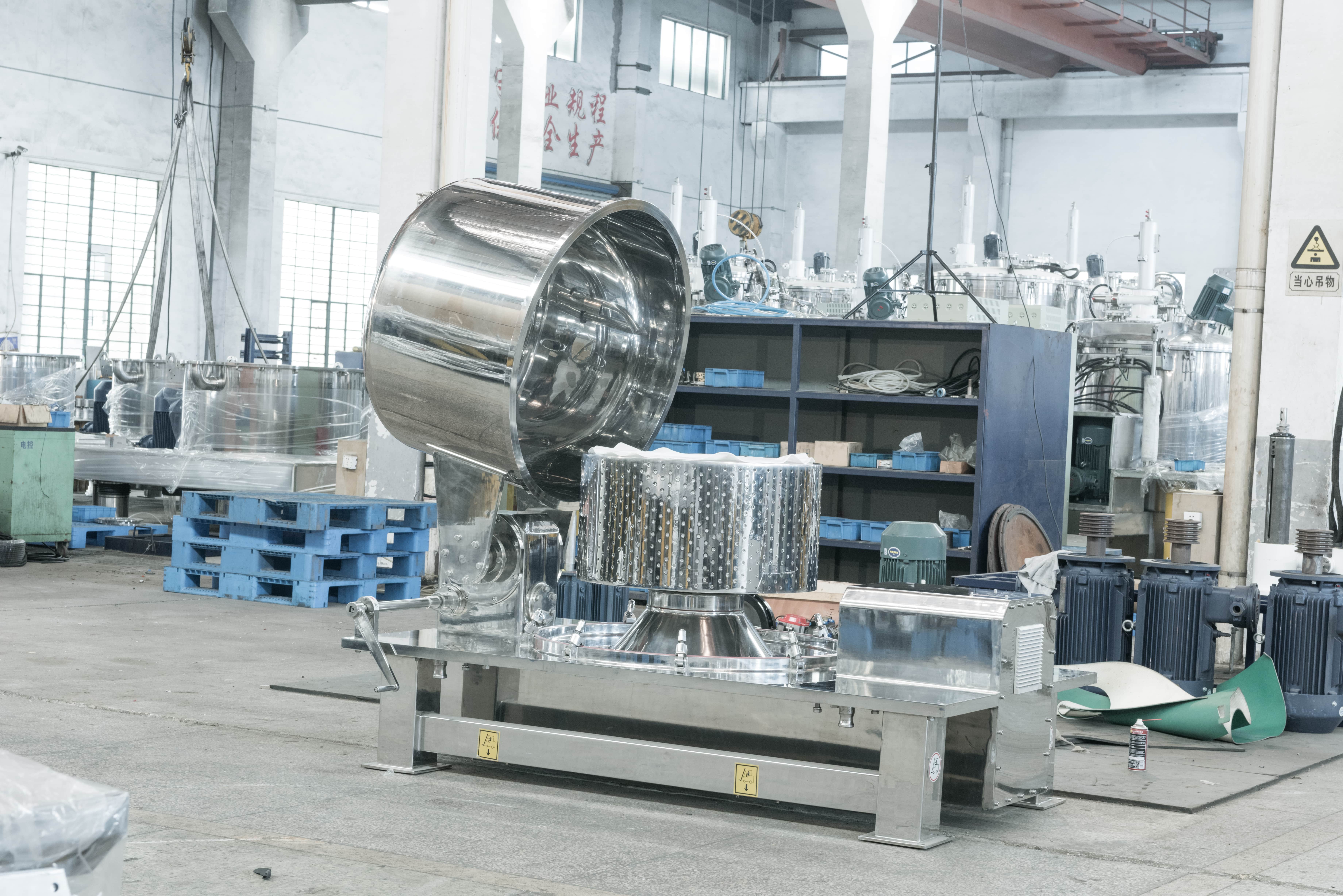
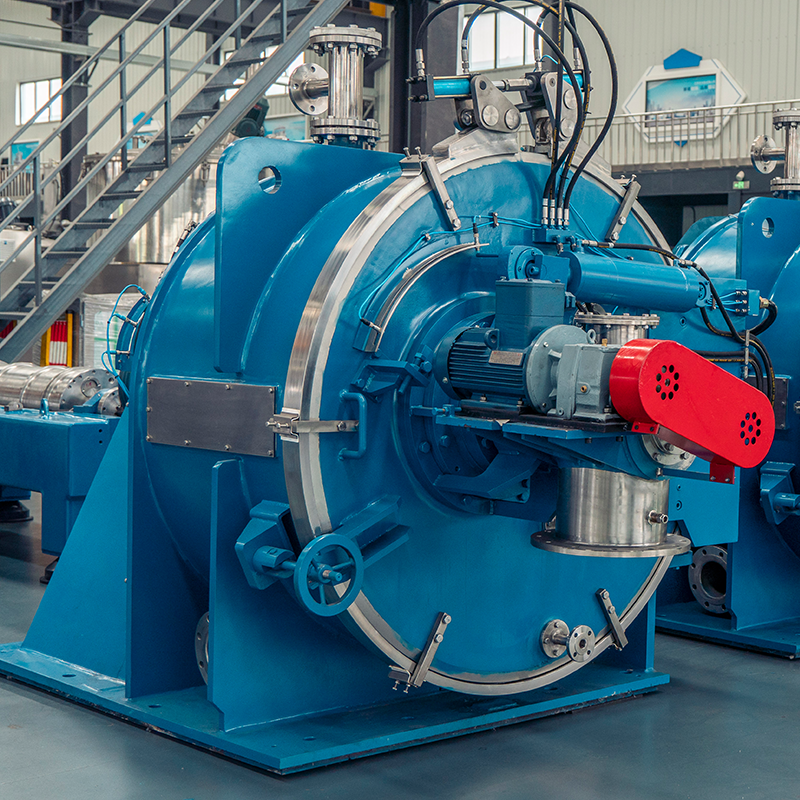
အများအားဖြင့် ထုတ်လုပ်မှုပုံစံများတွင် အမှုန်နှင့် အရည်ကို ခွဲခြားရေး ကိရိယာများအား အထူးလိုအပ်ချက်များ ရှိပါသည်။ ခွဲခြားရေးအဆင့်သည် အထက်တန်းရှိ ပုံပေါ်စက်များ၊ ရစ်စတယ်လိုင်ဇာများ သို့မဟုတ် ဖာမင်တာများနှင့် အများအားဖြင့် ဆက်လက်လုပ်ဆောင်ခြင်း သို့မဟုတ် အလွန်မြန်ဆန်စွာ အစီအစဥ်ဖြင့် လုပ်ဆောင်သည့် စက်များနှင့် အတူ လုပ်ဆောင်နိုင်ရန် လိုအပ်ပါသည်။ လက်ဖျားဖြင့် စွန့်ထုတ်သည့် စင်ထရီဖျူဂဲလ်သည် စွမ်းဆောင်ရည်အတွက် အများဆုံးအဆင့်ကို သတ်မှတ်ပေးပါသည် - လုပ်သမားများသည် တစ်ရက်တွင် စွန့်ထုတ်ခြင်းနှင့် ပြန်လည်ဖြည့်သည့် အကြိမ်အရေအတွက်ကို ကန့်သတ်ထားပါသည်။ အလိုအလျောက် စွန့်ထုတ်သည့် စင်ထရီဖျူဂဲလ်များသည် စွန့်ထုတ်ခြင်းအဆင့်ကို အလိုအလျောက်လုပ်ဆောင်ခြင်းဖြင့် ထိုအများဆုံးအဆင့်ကို ဖျက်သိမ်းပေးပါသည်။ ထို့ကြောင့် စက်သည် လူသားများ၏ အနည်းငယ်သော စီမံခန့်ခွဲမှုဖြင့် ဆက်လက်လုပ်ဆောင်နိုင်ပါသည်။
အလုံးအရင်းအမြစ်မြင့် ထုတ်လုပ်မှုတွင် အလိုအလျောက် ဖြန်းထုတ်စက်စင်တီဖောက်ဂျာ၏ စွမ်းဆောင်ရည်အကျိုးကျေးဇူးသည် စက်ဝန်းအချိန်တွင် အများဆုံး ထင်ရှားသည်။ မီလီမီတာ ၁၂၀၀ ရှိတဲ့ အိုးစင်တီဖောက်မှာ လက်နဲ့ သွင်းတဲ့ စက်တစ်စက်ကို ၄၅ မိနစ်ကြာနိုင်ပါတယ်။ အိုးကိုဖြည့်ပြီး ခွဲဖို့ မိနစ် ၂၀၊ စက်ကို ရပ်ဖို့ မိနစ် ၅ မိနစ်၊ လက်နဲ့ သွင်းဖို့ မိနစ် ၁၀ မိနစ်၊ ပိတ်ဖို့နဲ့ ပြန်ဖွင့်ဖို့ မိနစ် ၅ မိနစ်နဲ့ အ စက်တစ်ခုတည်းရဲ့ အလိုအလျောက် သွင်းထုတ်မှုပုံစံဟာ စက်တစ်စီးတည်းကို ၂၈ မိနစ်အတွင်း ပြီးစီးနိုင်ပါတယ်၊ ဖြည့်ခြင်းနဲ့ ခွဲထုတ်ခြင်း အချိန်ဟာ မပြောင်းလဲပေမဲ့ သွင်းထုတ်မှုဟာ ၁၀ မိနစ်အစား ၂ မိနစ်ကြာပြီး စက်ကို လုံးဝရပ်ဖို့ မလိုပါဘူး။
၂၄ နာရီ ထုတ်လုပ်ရေးနေ့မှာ စက်ဝန်းတစ်ခုချင်း ၁၇ မိနစ် ခြားနားမှုက သိသိသာသာ ပိုများတဲ့ ထုတ်လုပ်နိုင်မှုအဖြစ် ဘာသာပြန်ပါတယ်။ လက်လုပ်စက်တစ်ခုမှာ တစ်နေ့ကို ရှစ်ကြိမ် လည်ပတ်တဲ့ စက်ရုံတစ်ခုဟာ အလိုအလျောက် ဖြန်းထုတ်တဲ့ ပုံစံမှာ တစ်နေ့ကို ၁၂ ကြိမ် လည်ပတ်နိုင်ပြီး တစ်ရက်ကို ထုတ်လုပ်နိုင်စွမ်းဟာ အိတ်အရွယ်အစားနဲ့ မော်တာစွမ်းအားတူတာနဲ့ ၅၀ ရာခိုင်နှုန်း တိုးလာပါတယ်။
အမြဲတမ်းကြောင်းပေါ်တွင် အချိန်ကုန်သက်သက်သာသည့် အကောင်းဆုံးအခွင့်အလမ်းများသည် အထူးသဖြင့် အမှုန်များသည် ကပ်နေသည့် သို့မဟုတ် အလွန်စီးကပ်နေသည့် အသုံးအနေများတွင် ပိုမိုထင်ရှားလာပါသည်။ ထိုကဲ့သို့သော အမှုန်များကို လက်ဖြင့် ထုတ်ပေးခြင်းသည် နှေးကွေးပြီး ခန္တာကိုယ်အတွက် အလွန်အားထုတ်ရသည့် အလုပ်ဖြစ်ပါသည်။ အော်ပရေတာသည် အမှုန်များကို ချောင်းဖောက်ရန် ကိရိယာများကို အများအားဖြင့် အသုံးပြုရပါသည်။ ထိုသို့သော လုပ်ဆောင်မှုများသည် အမှုန်များကို ထုတ်ပေးရသည့် အချိန်ကို ၅ မှ ၁၀ မိနစ်အထိ ပိုမိုကြာမောင်းစေပါသည်။ အလိုအလျောက် ထုတ်ပေးသည့် စကရပ်ပ်များသည် ကပ်နေသည့် အမှုန်များကို အမျှတ်တုံ့အားဖြင့် အမျှတ်တုံ့အမြန်နှုန်းဖြင့် ကိုင်တွယ်နိုင်ပါသည်။ ထို့ကြောင့် အမှုန်များ၏ သဘောသမ်မှုအပေါ် မှီခိုမှုမရှိဘဲ အချိန်ကုန်သက်သက်သာသည့် အချိန်ကို အမျှတ်တုံ့ထိန်းသိမ်းနိုင်ပါသည်။
အရေအတွက်များသည့် ထုတ်လုပ်မှုများသည် ပျမ်းမျှ ထုတ်လုပ်မှုနှုန်းသာမက အောင်အားကို အခြေခံပါသည်။ တစ်ခုခုသော အချိန်များတွင် ပိုမ быстр လုပ်ဆောင်ပြီး တစ်ခုခုသော အချိန်များတွင် နှေးကွေးသည့် စက်သည် အထက်တွင် နှင့် အောက်တွင် အတားအဆီးများကို ဖန်တီးပါသည်။ အထက်တွင်ရှိသည့် တုန်ခါမှုဖြစ်စေသည့် စက်သည် စင်ထရိဖျူဂ်စက် အသုံးပြုနိုင်ရန် အဆင်သင့်ဖြစ်မှသာ အမျှတ်တုံ့အမှုန်များကို ထုတ်လေးပေးနိုင်ပါသည်။ အောက်တွင်ရှိသည့် ခြောက်သည့်စက်သည် ဒီဇိုင်းအတိုင်း သတ်မှတ်ထားသည့် အမှုန်များထက် ပိုမိုစိုသည့် အမှုန်များကို လက်ခံနိုင်မည်မဟုတ်ပါသည်။
အလိုအလျောက် ဖြုတ်လွှတ်တဲ့ စက်စင်တီဖောက်တွေဟာ စက်မှုလုပ်ငန်းရှင်ရဲ့ ပြောင်းလဲမှုကို ဖယ်ရှားပေးလို့ တစ်သမတ်တည်းသော စက်ဝန်းအချိန်တွေကို ပေးပါတယ်။ scraper ဟာ စက်ဝန်းတိုင်းမှာ တစ်ပြေးညီနှုန်းနဲ့ လမ်းကြောင်းတစ်ခုတည်းကို လိုက်ပါတယ်။ လျှပ်စစ်ဓာတ်ထုတ်လုပ်ရေး ဗို့အားဟာ တူညီတဲ့ နေရာတွေမှာ ဖွင့်ပြီး ပိတ်တယ်။ စက်ဟာ အလားတူ ယုတ္တိအတိုင်း ရပ်ပြီး စတယ်။ ဒီညီညွတ်မှုက ထုတ်လုပ်မှု စီမံကိန်းချသူကို အဆင့်တွေကြားမှာ လိုအပ်တဲ့ အတုံးစာရင်းကို လျှော့ချရင်း အရှိန်နဲ့ အရှိန်နဲ့ လုပ်ငန်းတွေကို အချိန်ဆွဲဖို့ ခွင့်ပြုပါတယ်။
လက်နဲ့ထုတ်လုပ်တဲ့ စက်ကနေ အလိုအလျောက်ထုတ်လွှတ်တဲ့ စက်စင်တီဖောက်တွေဆီ ပြောင်းခဲ့တဲ့ Zhejiang က ဆေးဝါးအကြားပိုင်း စက်ရုံတစ်ခုက စက်ဝန်းတစ်ခုကနေ တစ်စက်ဝန်းအထိ ထုတ်လုပ်နိုင်မှု အပြောင်းအလဲဟာ ၁၈% ကနေ ၃% အထိ ကျဆင်းသွားတယ်လို့ အစီရင်ခံခဲ့တယ်။ စက်ရုံသည် ဓာတ်ပြုစက်နှင့် စက်စင်တီဖောက်ဂျာအကြားရှိ အပူချိန်တိုးရန် အိုး၏ ပမာဏကို ၄၀ ရာခိုင်နှုန်း လျှော့ချနိုင်ခဲ့ရာ ကြမ်းပြင်နေရာလွတ်လာပြီး ကြားခံပစ္စည်းများတွင် ချိတ်ဆက်ထားသော လည်ပတ်မှု အရင်းအမြစ် လျော့နည်းလာခဲ့သည်။ .
အထူးသဖြင့် အရေအတွက်များပါးသော ထုတ်လုပ်မှုများတွင် အများအားဖြင့် အခဲပစ္စည်းများ ပိုမိုများပါးသော ဖီဒ်ဆလာရီ (feed slurry) ကို အသုံးပြုရပါသည်။ ထိုဆလာရီတွင် ခွဲထုတ်ရန်နှင့် စွန့်ထုတ်ရန် လိုအပ်သော အခဲပစ္စည်းများ အများအားဖြင့် ပါဝင်ပါသည်။ အခဲပစ္စည်း ၅၀ ရှိသော ဆလာရီကို ကိုင်တွေ့သည့် လက်ဖြင့် စွန့်ထုတ်သည့် စင်ထရီဖျူဂယ် (manual discharge centrifuge) သည် မိနစ် ၂၀ ကြာတိုင်း စွန့်ထုတ်ရန် လိုအပ်နိုင်ပါသည်။ ထိုအချိန်တွင် စက်မှုလုပ်သမ်းသည် စွန့်ထုတ်ခြင်းအတွက် ပိုမိုများစွာသော အချိန်ကို အသုံးပြုရပါသည်။
အလိုအလျောက် စွန့်ထုတ်သည့် စင်ထရီဖျူဂယ်များသည် အခဲပစ္စည်းများ ပိုမိုများပါးသော ဖီဒ်ဆလာရီများကို ဒီဇိုင်းအရ ကိုင်တွေ့နိုင်ပါသည်။ စွန့်ထုတ်မှု စနစ်သည် ခွဲခြားခြင်း စက်ကူးပြောင်းမှုနှင့် သီးခြားဖြစ်ပါသည်။ အချို့သော ဒီဇိုင်းများတွင် စက်သည် အမြန်နှုန်း လျော့နည်းစွာဖြင့် လည်ပုတ်နေစဉ် စွန့်ထုတ်မှုကို ဆက်လက်လုပ်ဆောင်နိုင်ပါသည်။ ထို "အမြန်နှုန်း လျော့နည်းစွာဖြင့် စွန့်ထုတ်ခြင်း" စွမ်းရည်သည် စွန့်ထုတ်မှု စက်ကူးပြောင်းမှုတစ်ခုချင်းစီအတွက် စက်ကို ရပ်ပြီး ပြန်လည်စတေးရန် လိုအပ်သည့် စွမ်းအင် အကုန်အကျကို လျော့နည်းစေပါသည်။
အလိုအလျောက် စွန့်ထုတ်သည့် စင်ထရီဖျူဂဲလ်များ၏ ယန္တရားဆိုင်ရာ ဒီဇိုင်းသည် အများအားဖြင့် အများကြီးသော အခဲများကို ဖြည့်သွင်းရာတွင် လိုအပ်သည့် အများကြီးသော တော်ကြီး (torque) ကို လက်ခံနိုင်ရန် ပုံစံထုတ်ထားပါသည်။ မော်တာ၊ စက်ရှားပါမော်ကွန်းနှင့် ဟိုက်ဒရောလစ်စနစ်တို့သည် အခဲများ အပြည့်အဝဖြည့်သွင်းထားသည့် အချိန်တွင် အဆက်မပြတ် အလုပ်လုပ်နိုင်ရန် အရွယ်အစားသတ်မှတ်ထားပါသည်။ ဆိုဒီယမ် ဘိုက်ကာဘွနိတ် ကြေးနီများကို စီမံခန့်ခွဲသည့် စက်ရုံတွင် အလိုအလျောက် စွန့်ထုတ်သည့် စင်ထရီဖျူဂဲလ်သည် အခဲများ ၄၀ ရှိသည့် အချိန်နှင့် ၅၅ ရှိသည့် အချိန်တွင် တူညီသည့် စက်ဝန်းအချိန် (cycle time) ကို ထိန်းသိမ်းနိုင်ခဲ့ပါသည်။ စက်သည် တစ်ခါတွင် အခဲများကို ပိုမိုများပြားစွာ စွန့်ထုတ်ပေးခဲ့ခြင်းသာ ဖြစ်ပါသည်။ .
အများအားဖြင့် ထုတ်လုပ်မှုပမောက်နှုန်းမြင့်မှုသည် မကြာခဏ ပြုပြင်ထိန်းသိမ်းရန် အချိန်ပိုင်းများကို သည်းခံနိုင်ခြင်းမရှိပါ။ အလိုအလျောက် စွန့်ထုတ်သည့် စင်ထရီဖျူဂဲလ်များကို ဆက်လက်လည်ပတ်မှုလုပ်ငန်းများ၏ လိုအပ်ချက်များနှင့် ကိုက်ညီသည့် ပြုပြင်ထိန်းသိမ်းရန် အချိန်ကာလများဖြင့် ဒီဇိုင်းထုတ်ထားပါသည်။ အများဆုံး ပွန်းပဲ့မှုကို ခံစားရသည့် စွန့်ထုတ်သည့် ဘလေးဒ်များကို မှုန်းခြင်း ၁ နှစ်ချိန်အတွင်း အလွယ်တကူ အစားထိုးနိုင်ပါသည်။ ဟိုက်ဒရောလစ်စနစ်တွင် စနစ်တ whole ကို အပ်စ်မလုပ်ဘဲ အစားထိုးနိုင်သည့် စစ်ထုတ်စက်များကို အသုံးပြုထားပါသည်။ ဘီယာရင်း အိမ်ထောင်တွင် စက်လည်ပတ်နေစဉ်တွင် အသုံးပြုနိုင်သည့် ဂရီးစ်ဖစ်တင်းများ ပါဝင်ပါသည်။
တူညီသည့် ဝန်ဆောင်မှုတွင် လက်ဖက်နှင့် အလိုအလျောက် စွန့်ထုတ်သည့် စင်ထရီဖျူဂဲလ်များ၏ ပြုပြင်ထိန်းသိမ်းမှုလိုအပ်ချက်များကို နှိုင်းယှဉ်လေ့လာခြင်းအရ အလိုအလျောက် စွန့်ထုတ်သည့် စက်များသည် လုပ်ဆောင်နေသည့် နှစ်တွင် ပြုပြင်ထိန်းသိမ်းမှုအချိန်ကို ၃၀ မှ ၄၀ ရှုံးနေသည့် အချိန်ပိုင်းများ လျော့နည်းစေပါသည်။ ဤလျော့နည်းမှုသည် အောက်ပါ အကြောင်းရင်းနှစ်ခုကြောင့် ဖြစ်ပါသည်- စွန့်ထုတ်မှုသည် တစ်သမတ်တည်းဖြစ်သည့်အတွက် စက်သည် ပိုမိုချောမွေ့စွာ လည်ပတ်ပါသည်။ အလိုအလျောက်စနစ်သည် အစိတ်အပိုင်းများကို ပျက်စီးစေသည့် လုပ်သမားမှုအမှားများကို လျော့နည်းစေပါသည်။
အမြင့်ဆုံးထုတ်လုပ်မှုပမာဏဖြင့် အလုပ်လုပ်သည့် အလိုအလျောက်စွန့်ထုတ်သည့် စင်ထရီဖျူဂဲလ်အတွက် အကောင်းဆုံးစွမ်းဆောင်ရည်အတိုင်းအတာမှာ ၎င်းသည် လူသားများ၏ လက်တွေ့ကုန်းက်မှုအနည်းဆုံးဖြင့် ထုတ်လုပ်မှုလိုင်းကို လုပ်ဆောင်နိုင်ရန် အချိန်အတိုင်းအတာဖြစ်သည်။ ခေတ်မှီအလိုအလျောက်စွန့်ထုတ်သည့် စင်ထရီဖျူဂဲလ်များသည် စက်ရုံတစ်ခုလုံး၏ ထိန်းချုပ်မှုစနစ်များနှင့် ပေါင်းစပ်ထားပြီး ၎င်းတို့၏ အခြေအနေများကို အစီရင်ခံပေးခြင်း၊ အမိန့်များကို လက်ခံခြင်းနှင့် လုပ်သောသူများအား လိုအပ်သည့်အခါတွင်သာ အသိပေးခြင်းတို့ကို ပြုလုပ်ပါသည်။
ဂွမ်ဒေါင်းပြည်နယ်ရှိ စက်ရုံတစ်ခုတွင် ဆက်တိုက်ဖွဲ့စည်းထုတ်လုပ်သည့် လိုင်းပေါ်တွင် အလိုအလျောက်စွန့်ထုတ်သည့် စင်ထရီဖျူဂဲလ်သုံးလုံးကို တစ်ပါတ်လုံး တစ်ပါတ်တည်း အလုပ်လုပ်စေပါသည်။ ထိုစက်ရုံတွင် အထုတ်ခွဲခြင်းအပိုင်းအစိတ်အပဲများကို အလုပ်သမ်းတစ်ဦးဖြင့် တစ်ခေါက်စဥ်လုံး လုပ်ဆောင်ပါသည်။ အလုပ်သမ်းသည် မောနိတာများကို စောင်းကြည့်ခြင်း၊ အသိပေးခြင်းများကို တုံ့ပြန်ခြင်းနှင့် ပုံမှန်စစ်ဆေးမှုများကို ပြုလုပ်ခြင်းတို့ကို လုပ်ဆောင်ပါသည်။ စက်များသည် အထုတ်ခွဲခြင်း၊ စွန့်ထုတ်ခြင်းနှင့် သန့်ရှင်းရေး စက်ကူးမှုများကို လက်ဖျားဖြင့် မဟုတ်ဘဲ အလိုအလျောက်ပြုလုပ်ပါသည်။
အလိုအလျောက် စီးထွက်စက်များ၏ နိုင်ငံတကာဈေးကွက်သည် ဤအဆင့်သော အလိုအလျောက်ပြုလုပ်မှုကို လိုအပ်မှုကို ထင်ဟပ်ပေးပါသည်။ ၂၀၂၅ ခုနှစ်တွင် အမေရိကန်ဒေါ်လာ ၂.၄၅ ဘီလီယံခန့်မှ ၂၀၃၅ ခုနှစ်တွင် အမေရိကန်ဒေါ်လာ ၄.၅ ဘီလီယံအထိ ကြီးထွားလာမည်ဟု ခန့်မှန်းထားပါသည်။ Huada အပါအဝင် အလိုအလျောက် စီးထွက်နည်းပညာတွင် ရင်းနှီးမှုများ ရှိသော ထုတ်လုပ်သူများသည် အမြင့်ဆုံးထုတ်လုပ်မှုပမာဏများအတွက် အထူးရည်ရွယ်၍ ဖန်တီးထားသော စက်များကို ပေးအပ်ပါသည်။ ထိုစက်များသည် ခိုင်မာသော တည်ဆောက်မှု၊ ယုံကြည်စေရန် အလိုအလျောက်ပြုလုပ်မှုနှင့် ထုတ်လုပ်မှုလိုင်းများ အမြဲလည်ပတ်နေစေရန် ဒီဇိုင်းရေးဆွဲထားသော ဝန်ဆောင်မှုပံ့ပိုးမှုများကို ပေးအပ်ပါသည်။
 အရေးကြီးသော သတင်းများ
权 © 2025 Jiangsu Huada Centrifuge Co., Ltd. အခြား အခွင့်အရေး အားလုံး รักษาไว้ လျှို့ဝှက်မှုမူဝါဒ
တရုတ် ကောင်တီ၊ ဂျင်စီမှူးပြည်နယ်၊ ချာင်ဆေးမြို့၊ ရန်ကြာမြို့နယ်၊ မြောက်ပြည်ထောင်စု၊ အောက်ပါလိုင်းမြို့၊ ဘွဲ့နံပါတ် ၈၈၊ Qigan လမ်း၊ Yangshe မြို့နယ်
权 © 2025 Jiangsu Huada Centrifuge Co., Ltd. အခြား အခွင့်အရေး အားလုံး รักษาไว้ လျှို့ဝှက်မှုမူဝါဒ
 EN
EN
 AR
AR
 HR
HR
 CS
CS
 DA
DA
 NL
NL
 FI
FI
 FR
FR
 DE
DE
 EL
EL
 HI
HI
 JA
JA
 KO
KO
 NO
NO
 PL
PL
 PT
PT
 RO
RO
 RU
RU
 ES
ES
 SV
SV
 TL
TL
 ID
ID
 LT
LT
 SR
SR
 SK
SK
 UK
UK
 VI
VI
 HU
HU
 TH
TH
 TR
TR
 FA
FA
 MS
MS
 IS
IS
 LO
LO
 LA
LA
 MN
MN
 MY
MY
 KK
KK
 UZ
UZ
 IT
IT