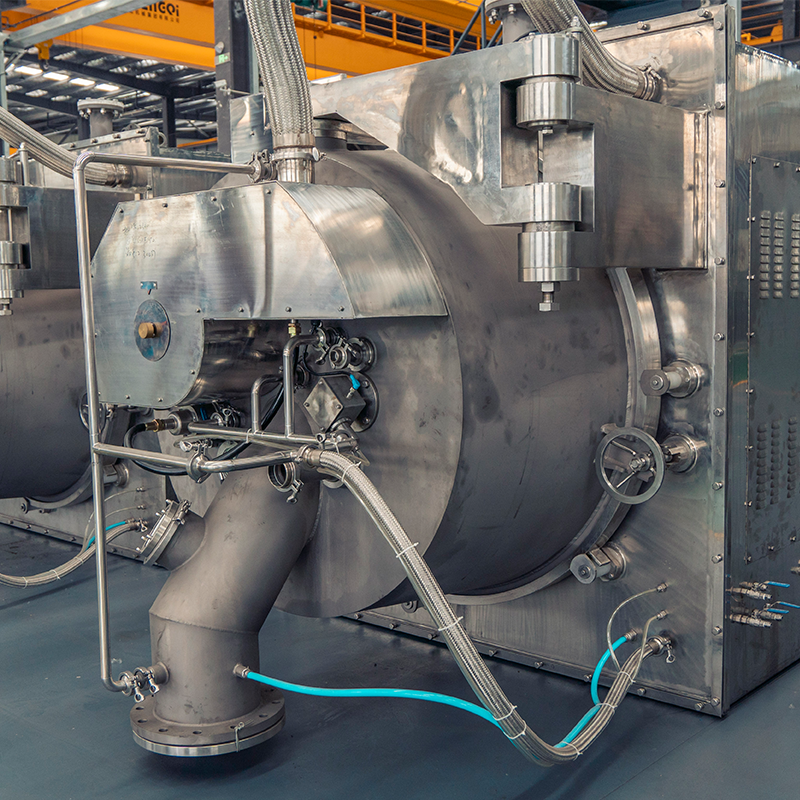
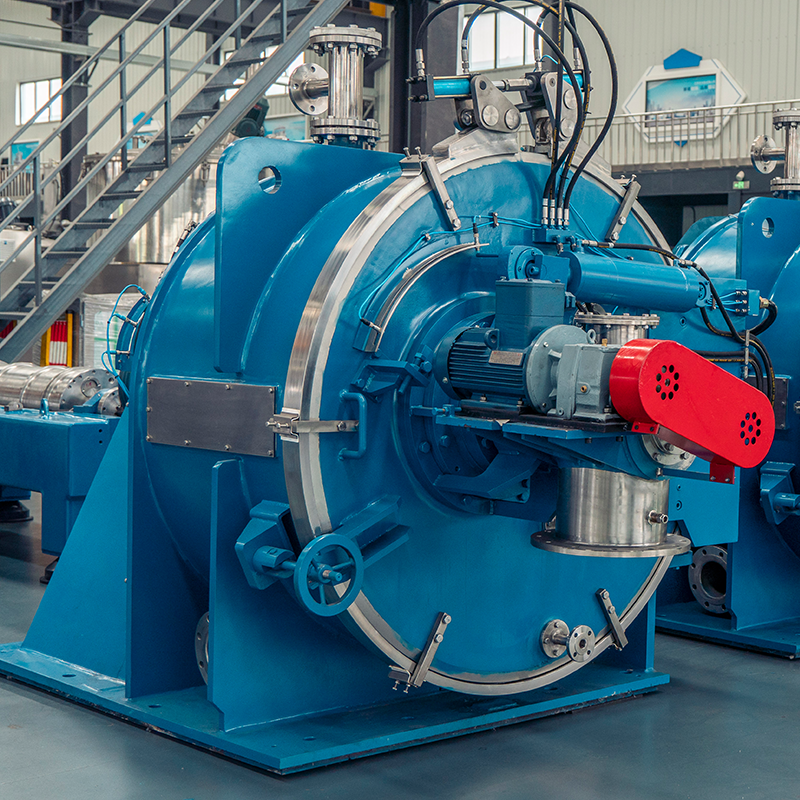
Let’s be real, when you are running a busy processing plant, cleaning can often feel like a hindrance to production workflow. But when it comes to your Auto Scraper Centrifuge, thinking of cleaning as just a hindrance is a mistake. It is not about appearing clean; it is a serious, technical, and necessary process to protect your operation. Unlike running equipment, a scraper centrifuge is different as it runs in intervals, taking in a product and accumulating it at each round. What it will leave behind is not just residue, but a dirt that poses as a threat to your upcoming product mix, machine's integrity, and safety of your co-workers. Cleaning an auto scraper centrifuge takes regular maintenance and is your first line of defense to preventing cross contamination, corrosion, wear and tear, beyond expected failures, and residue left over by other equipment. This guide will help you carry out essential cleaning steps of a centrifuge to help lessen the guess work and turn it into a mainstay of your maintenance program.
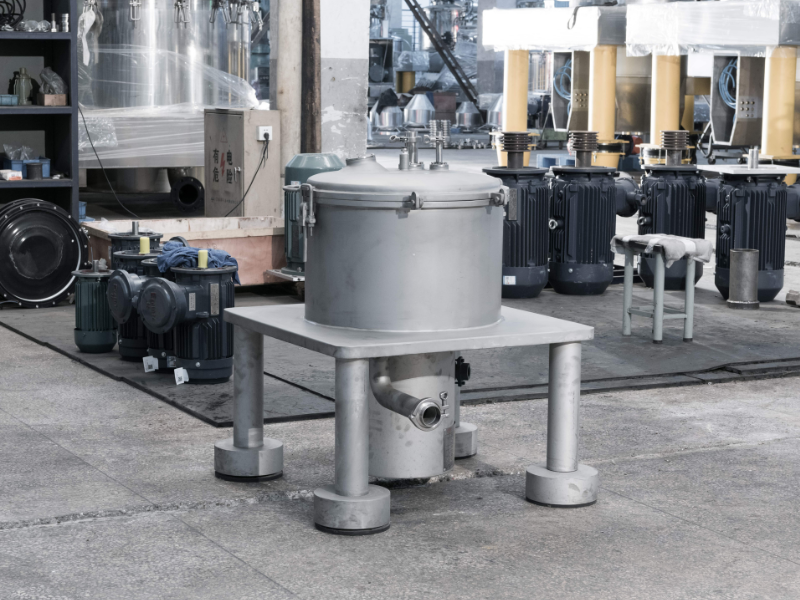
Consider cleaning your centrifuge like preventive medicine. Leftover material can be imbalanced and can cause violent shaking. It can hold bacteria, which can compromise your products. It can rust delicate surfaces, leading to expensive repairs and uncontrollable leaking. A good cleaning routine saves your cleaning budget, leads to seamless product reproduction, and improves the safety of the workplace. In this article, you will receive a simple structure to accomplish daily and deep cleaning, and the best principles of cleaning efficiency and safety that will be used to make the cleaning protocol effective and sustainable. Let's get to the steps that keep your separation process on point and your machinery working for you longer.
Remember, to clean the machine, it needs to be completely void of contamination. It is a routine that must always be accomplished at the end of every production run. The purpose is to make sure the machine is ready for the next batch, and to avoid any build up that could be a problem.
Safety must come first. What is Lockout-Tagout? Lockout-Tagout informs others that a machine is out of service. Lockout-Tagout also means that you must disconnect all power sources, including electricity, hydraulics, and pneumatics. There will be no exceptions to this rule, as it is a safety concern to prevent the machine from being restarted. Once the machine is locked out and the safety procedures are followed, we can start the clean and sanitize process of the equipment. The first step in this process is to remove any leftover solids, also known as the filter cake. You will need to use a soft non-sparking plastic scraper to remove the cake from the basket screen, the side walls, and the discharge chute. Please do not use any metal tools to avoid scratching the precise surface of the basket.
The next process is liquid residues. After emptying the centrifuge, open the correct drain valves to evacu remaining mother liquor (ML). While not necessary, many operators remove more mother liquor by performing a low-speed `rinse spin`.
This is performed by closing the bowls, locking the covers, and, after confirming the area is empty, engaging the slowly after a brief rotation cycle. The rotation will increase the centrifugal force to eject any liquid remaining in the voids and friction screw with the scraper baldes (if present). The next step liquid (water or cleaning solution) will then be (a) low viscosity, (b) harmless, (c) sprayed in a safe manner.
The next step to ensure good cleaning is a visual inspection. Wipe down external surfaces, looking for signs of liquid filtering through the enclosure, or parts that are unfastened, or items that need further cleaning. The sanitizer and/or cleaning agent will need to ensure good emptying (same as the liquid). Plugs need to be cleaned each use. This is daily equipment care.
Daily cleaning is only scratching the surface. Some materials always have a way of hiding. Fine particles, crystalline materials, and sticky polymers can clog up hidden spaces. It's a recipe for disaster when they're allowed to build up behind the scraper arms, within the hinge mechanisms of the housing, and even in the small gaps of the discharge chute. This is why a planned deep cleaning is non-negotiable. The cycle can depend on your product. It could be every week, every month, or after a certain number of cycles, but a deep cleaning must be planned in and won't be skipped.
A deep clean means a higher level of disassembly. This usually requires removing the scraper blade assembly and all of the discharge chute. Make sure to read the disassembly instructions for your model in the manufacturer's manual. When disassembling, be sure to keep all the pieces organized. When cleaning each part, it might be a good technique to use a soaking method. Prepare a cleaning bath based on your cleaning solution and the materials of the centrifuge. To loosen stubborn deposits, you need to soak the pieces and then gently scrub the pieces with a soft brush.
While the pieces soak, turn your focus to the centrifuge body. This is likely a section you don't usually inspect. Examine the main shaft seal state, look for any scoring on the surface of the basket, and check the hydraulic and pneumatic connectors for the scraper mechanism. Clean the interior casing thoroughly, especially the corners and edges. This is also the perfect time to examine conditions for maintenance. Check seals for wearing, test the tightness of important bolts, and service any fittings with lubricant as the manual describes. Once all components are carefully cleaned, rinsed, and dried, put each part of the centrifuge back together, ensuring that all attachments are fastened and that all movable components are functioning properly. This deep clean is more than a clean; it is a health inspection for your Auto Scraper Centrifuge.
The cleanings we perform have to be both as clean and as safe as possible each and every time. Let’s go over each of these components. On the safety side, lockout–tagout is your first line of defense, but also your only line of defense. Think chemical safety as well; the products used for cleaning may need additional PPE like goggles, gloves, and aprons. Always read the safety data sheets. Ensure the cleaning space is adequately ventilated, especially when using solvents. Lastly, make sure to have strong communication channels so everyone is aware when the centrifuge is in maintenance and when it is back online.
Being efficient cleaning is about making the process quick and reliable while also minimizing the exposure of the machine at unproductive intervals. The main approach is preparing and standardizing Value Stream Mapping (VSM). For both routine and non-routine cleaning (deep cleaning), a clear standard operating procedure (SOP) will need to be developed and drafted. The SOP will need to cover a checklist of approved cleaning agents and required equipment, and also include a section on safety. Following the same process reduces the need to make a guess and also reduces the chance of making an error. Consider also, the tools and cleaning agents at your disposal. For example, the purchase of an automated (CIP) unit will not only improve the consistency of the cleaning. It will also improve the labor saving factor. Finally, make a habit of logging each cleaning session. Recording the date, the operator, which batch was completed, and any comments will be useful. This log will be useful in helping to define the cleaning intervals and identifying patterns that could potentially lead to complications (i.e machine failure). Finding a good balance between effective safety practices and intelligent effort will make the cleaning a welcomed improvement in the way production is processed.
 Hot News
Copyright © 2025 Jiangsu Huada Centrifuge Co., Ltd. All Rights Reserved Privacy policy
No. 88 Qigan Road, Yangshe Town, Zhangjiagang City, Jiangsu Province, China
Copyright © 2025 Jiangsu Huada Centrifuge Co., Ltd. All Rights Reserved Privacy policy
 EN
EN
 AR
AR
 HR
HR
 CS
CS
 DA
DA
 NL
NL
 FI
FI
 FR
FR
 DE
DE
 EL
EL
 HI
HI
 JA
JA
 KO
KO
 NO
NO
 PL
PL
 PT
PT
 RO
RO
 RU
RU
 ES
ES
 SV
SV
 TL
TL
 ID
ID
 LT
LT
 SR
SR
 SK
SK
 UK
UK
 VI
VI
 HU
HU
 TH
TH
 TR
TR
 FA
FA
 MS
MS
 IS
IS
 LO
LO
 LA
LA
 MN
MN
 MY
MY
 KK
KK
 UZ
UZ
 IT
IT