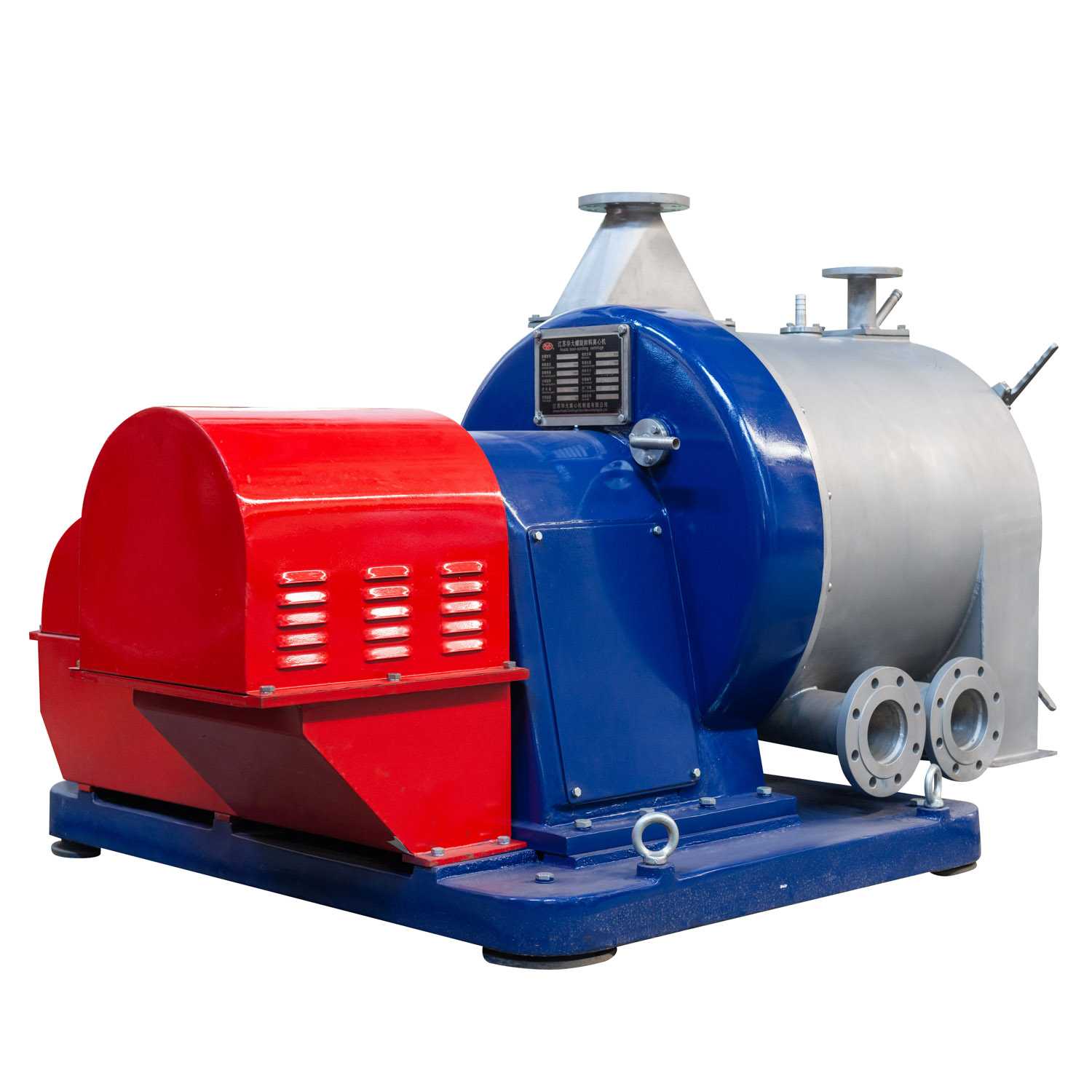
Choosing industrial equipment is a significant undertaking that requires careful balance between technical specifications, operational needs, and long-term financial planning. This is especially true when the equipment in question is a sedimentation centrifuge, as it will become a critical component of your processing line. Its performance directly influences product clarity, recovery efficiency, and output consistency. A poor selection can lead to persistent operational challenges, whereas the right fit can streamline your entire process. The market presents numerous models and configurations, each with its own claims. Success lies in focusing on the key factors that determine performance in your specific application. This guide moves beyond basic brochures to address the practical considerations that will lead you to a sedimentation centrifuge offering superior performance, reliability, and lasting value. Understanding these core aspects will transform your approach from that of a casual shopper to an informed decision-maker.
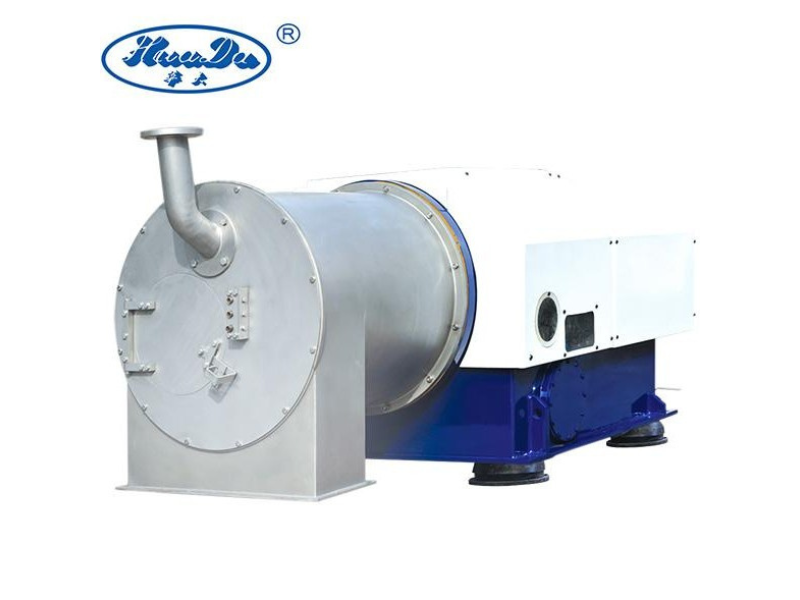
Before delving into technical specifications, you must have a precise understanding of what you need the centrifuge to achieve. Start by defining its primary duty. Is the goal to remove fine solids from a large liquid volume to achieve high clarity? Is it to thicken a slurry into a paste, or to classify particles by size? While a sedimentation centrifuge is versatile, its design is typically optimized for one of these functions. A machine excellent for dewatering may not be ideal for fine clarification, and vice versa.
Establishing the duty requires gathering detailed process data, which forms the essential foundation for selection. What is the feed flow rate? What are the densities of the solid and liquid phases? Crucially, what is the particle size distribution? This last factor heavily influences the required G-force, as finer particles need greater force to settle effectively within the machine's limited residence time. Furthermore, the chemical compatibility of construction materials that contact the process stream is paramount. The slurry's properties—whether abrasive, corrosive, or prone to fouling—dictate the necessary materials for the bowl, conveyor, and other wetted parts. Selecting a sedimentation centrifuge without this detailed process profile is akin to navigating without a map; you may eventually arrive, but the journey will be costly and inefficient. Your first and most critical step is to look inward and define your own process requirements clearly.
Once performance parameters are set, you can evaluate how different centrifuges are engineered to meet them. This shifts the focus from theory to practical design. The goal is to find a machine where durable construction and intelligent design converge to ensure long-term reliability. Begin with the drive system, the core component that generates rotational force. Prioritize systems known for stability and energy efficiency. A well-engineered drive will provide smooth acceleration to the target speed and maintain it consistently, which is vital for stable separation.
Next, examine the gearbox or back-drive system responsible for creating the differential speed between the bowl and conveyor. This component endures significant torque, especially under high load. A rugged, proven design from a reputable manufacturer is a strong indicator of overall machine quality. Then, consider the materials of construction. This goes beyond standard stainless steel grades. For corrosive applications, higher-grade alloys like duplex or super duplex stainless steel may be necessary. For abrasive slurries, seek out hardened protections such as tungsten carbide tiles on conveyor flights, ceramic liners in the feed zone, or specialized hard surfacing on the bowl interior. These features dramatically extend service life and reduce maintenance frequency.
Additionally, evaluate the design for maintenance accessibility. Are routine service points easy to reach? Does the design allow for the replacement of expected wear parts without overly complex disassembly? A sedimentation centrifuge designed with serviceability in mind will yield lower lifetime ownership costs, even if its initial price is higher. The most elegant design on paper is of little value if replacing a simple seal requires a specialist team and days of downtime.
A centrifuge does not operate in isolation; it is a node within a larger processing system. Therefore, its integration, communication capabilities, and controllability are primary selection factors. Ease of operation directly impacts your team's productivity and the consistency of results. Modern centrifuges offer varying levels of automation. At a basic level, a well-designed human-machine interface (HMI) allows operators to monitor key parameters like bowl speed, differential speed, torque, and vibration. Effective alarm and diagnostic systems are crucial for quick troubleshooting and minimizing downtime.
For advanced process integration, ensure the centrifuge is compatible with plant-wide control systems. Can it transmit and receive analog or digital signals? Can its operation be modulated automatically based on feed conditions? Features like variable frequency drives (VFDs) for the main and back-drive motors allow precise tuning of G-force and conveyor speed, which is essential for handling fluctuations in feed composition. Also, assess the ancillary systems. An integrated lubrication system with proper filtration and cooling is critical for bearing longevity. The casing design, including liquid and solid discharge ports, should facilitate clean integration into your existing piping and conveyor layout without creating bottlenecks or spill points. The overall efficiency of your operation depends as much on seamless integration as it does on the standalone performance of the sedimentation centrifuge.
Ultimately, you are not just purchasing a piece of machinery; you are entering a long-term relationship with the manufacturer and their support network. The quality of this partnership significantly impacts your total cost of ownership and operational peace of mind. Begin by evaluating the technical support offered. Does the supplier have experienced application engineers who can assist with the initial review and sizing? This step is critical to avoid the pitfalls of under- or over-specifying the equipment.
Post-purchase support is equally important. Is timely technical assistance readily available? Investigate the availability of spare parts, as a machine is only as reliable as the supply chain for its critical wear components. Reputable suppliers maintain strategic inventories and have transparent logistics to ensure you receive the correct parts without excessive delay. Long lead times can transform a minor repair into a major production stoppage.
Furthermore, consider the depth of service offerings. Does the company provide professional installation supervision, comprehensive operator training, and routine maintenance services? A true partner is invested in your success and will ensure their equipment performs optimally throughout its lifecycle. In essence, even the best technical specifications can be undermined by poor support. Therefore, your final and crucial assessment should be of the company standing behind the sedimentation centrifuge. Their reputation, expertise, and commitment to customer success are intangible attributes that deliver very tangible value over the equipment's operational lifespan.
 Hot News
Copyright © 2025 Jiangsu Huada Centrifuge Co., Ltd. All Rights Reserved Privacy policy
No. 88 Qigan Road, Yangshe Town, Zhangjiagang City, Jiangsu Province, China
Copyright © 2025 Jiangsu Huada Centrifuge Co., Ltd. All Rights Reserved Privacy policy
 EN
EN
 AR
AR
 HR
HR
 CS
CS
 DA
DA
 NL
NL
 FI
FI
 FR
FR
 DE
DE
 EL
EL
 HI
HI
 JA
JA
 KO
KO
 NO
NO
 PL
PL
 PT
PT
 RO
RO
 RU
RU
 ES
ES
 SV
SV
 TL
TL
 ID
ID
 LT
LT
 SR
SR
 SK
SK
 UK
UK
 VI
VI
 HU
HU
 TH
TH
 TR
TR
 FA
FA
 MS
MS
 IS
IS
 LO
LO
 LA
LA
 MN
MN
 MY
MY
 KK
KK
 UZ
UZ
 IT
IT