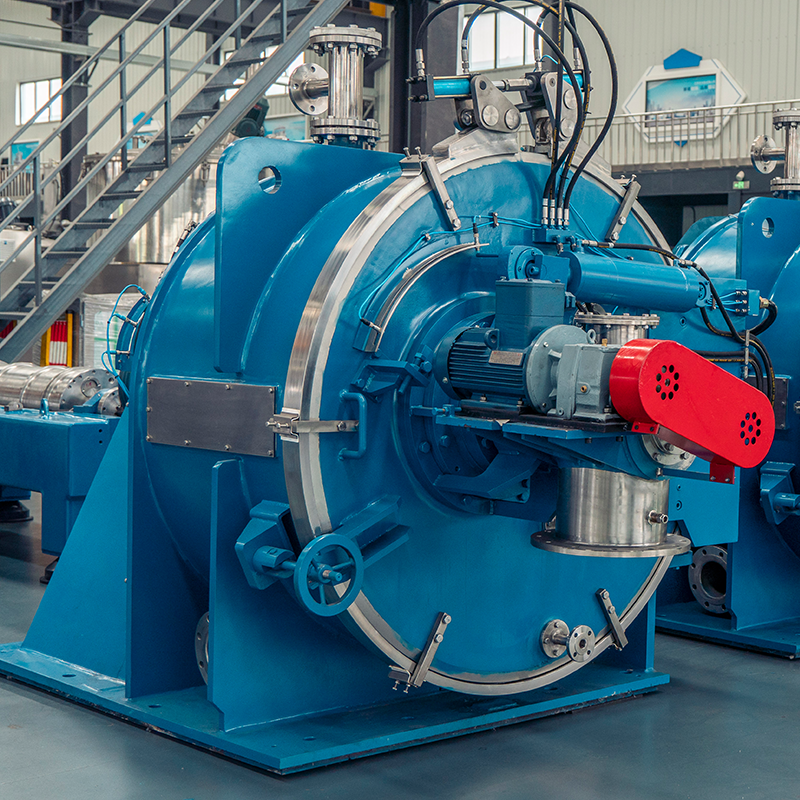
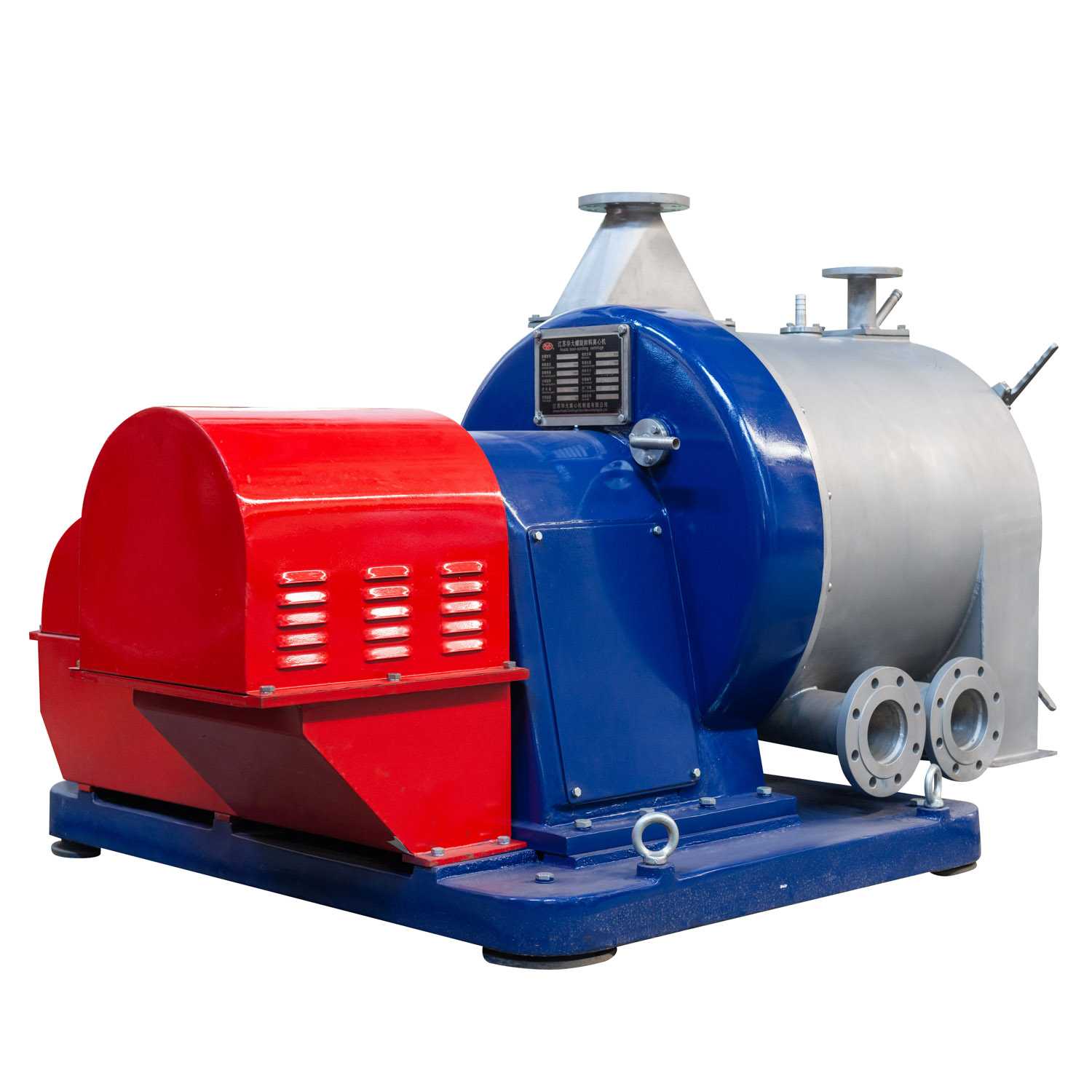
If you will be processing some tough materials that can blind an ordinary screen or can stick to the filter cloth, you need an equipment solution designed for that kind of processing challenge. This is where the bag pulling centrifuge is needed. You might find it in the product catalogs under series designations like PLD. This type of equipment is designed for one primary purpose: to get the complete separation of solids, cycle after cycle, without fail. In industries like chemical processing or pharmaceuticals, leaving a heel of material behind can create issues for the next batch, whether it be contamination or a decreased efficiency of the filter. This is why an understanding of the technical specifications of a bag pulling centrifuge is critical to selecting the right model for your process. In this article, we will highlight the most important specifications.
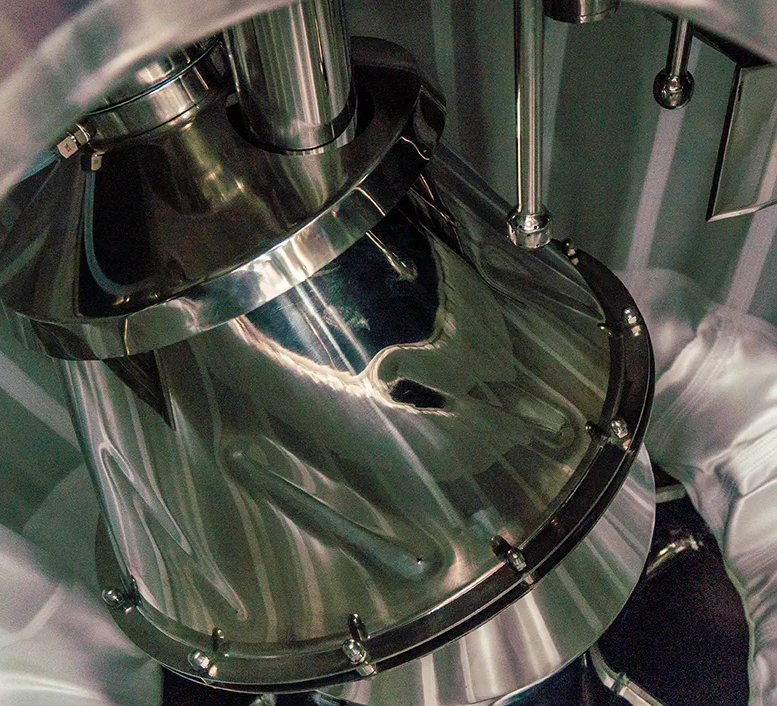
The bag pulling centrifuge is built around the drum or basket. This component spins at high speed in order to separate liquid from the solid material. One of the first things customers consider is the size of the basket. Huada, for example, offers varying sizes in accordance with different production volumes. In the specification sheet, you will see the basket diameter, along with the working volume. It is common sense that a larger basket means there is a greater working volume capacity to be processed in a single cycle. This is true, however, larger volumes may not always be suitable according to the batch size, or the floor space available. The volume of the basket is provided in liters, and will always dictate the maximum solid capacity processed in a single cycle. This, of course, will have a direct impact on your throughput, and so, it is imperative that you match it to your production objectives.
Along with the basket size, you should consider the maximum load capacity. This figure is typically provided in kilograms. It indicates the total weight of the solid material that the machine can handle in one single operation. This capacity is not just about the physical space available in the basket. It relates also to the design strength of the shaft, the bearings, and the drive motor. Overloading a centrifuge will take a toll on the machine, causing mechanical problems and potentially causing the machine to fail in a shorter time than it was designed to operate.
For a bag pulling centrifuge, the solids capacity is an important specification because the whole purpose of a bag pulling centrifuge is to release that solids cake entirely. You should consider if the machine can accommodate the volume and weight of the solids that your process produces per batch cycle. If you are producing a dense, heavy crystal, a 100 liter basket would likely be able to contain far more weight than if you are processing a light, fluffy powder. Therefore, it is important to look for the specification that outlines the solid density range or the average cake weight the machine is designed for.
Another important consideration is how fast the basket spins. This is typically referred to as the rotational speed and is measured in revolutions per minute. However, the number that is most important for separations is the centrifugal force, usually referred to as Gforce. This is the force that pushes the fluid through the filter cloth and the solids against the basket wall. In most cases, the spec sheet will indicate the maximum Gforce the machine can perform.
Different materials require different amounts of Gforce. For instance, a coarse, freedraining crystal might separate well at a lower speed, whereas a fine, slimy material will require a lot more Gforce to become dry. In a good bag pulling centrifuge, the drive will have a variable speed component, allowing the user to finetune the RPM to hit that sweet spot for the product in question. Ideally, the technical specs should indicate a speed range because the more range, the more it will allow a user to process a wider variety of materials with the same machine.
As a filtering centrifuge, the filter area is one of the most important specifications. It indicates the total surface area of the filter cloth that is liquid permeable. The larger the filter area, the faster the filtration cycle time, resulting in drier cakes. The specifications document will confirm the filter cloth type that is compatible with the machine alongside its dimensions as a guide to how to order the correct replacement.
In a bag pulling centrifuge, the filter cloth is designed in a way that permits it to be pulled or separated from the basket wall during the unloading stage. This system is referred to as the bag pulling mechanism. The specifications may detail how this mechanism works, be it mechanical or hydraulic, and its impact on the filter area that is usable. Ideally, you want a design that retains a significant amount of filtration surface while allowing a complete removal of the solids at the conclusion of the cycle.
None of this happens without a motor. The main drive motor power is expressed in kilowatts. This tells you how much muscle the machine has to spin that heavy basket full of wet solids up to speed. With a stronger motor, it can spin the basket faster and deal with more weight. A stronger motor is also more expensive, so you want one that is appropriately sized for your needs, not just the strongest motor available. This is a rational choice.
In addition to the main motor, some bag pulling centrifuges feature a separate hydraulic system or motor for the bag pulling mechanism. This is a core part of the technical specs. You must ensure that this system has a sufficient amount of energy to reliably separate the cloth and unload the cake, particularly if your material is packed down excessively. The specifications may include hydraulic pressure or the unloading system torque.
Wetted part specifications typically include the materials used to make the machine; these materials are critical to the machine functionality. The majority of parts used in chemical and pharmaceutical applications are manufactured using stainless steel, although the grade of the steel can vary. 316L stainless steel is a common steel used in these applications due to its good corrosion resistance. Higher grade duplex stainless steel and other alternative alloys such as titanium and Hastelloy are utilized to combat corrosion under more aggressive chemical environments.
The materials used to make the basket, the casing, and other components that the process flow interacts with should be stated on the spec sheet. The main objective of the machine is to withstand the chemical environment on the inside while ensuring the outside remains free of rust. This machine should also remain out of contact with your product to avoid contamination. It is also helpful to have prior knowledge of the type of finish used on the surfaces of the machine, particularly in sanitary applications. Polished and smooth surfaces are less capable of breeding bacteria and, as such, are more easily cleaned.
Modern bag pulling centrifuges are more engineered than ever before. They utilize programmable logic controllers and require some level of automation. A bag pulling centrifuge should have engineering specifications with some of the following features: touch screens for easy operation and technician diagnostics; the ability to save multiple recipes for different products; and even automation for things like washing the bag and pulling the bag for discharge.
Fully automated bag pulling centrifuges save on labor costs and standardize results for each batch. Control systems are also integrated with safety features like vibration monitoring and temperature sensors on the bearings and lockout systems to eliminate access when the centrifuge is spinning.
Lastly, ensure the machine will be able to fit in your plant. Overall dimensions of length, width, and height are critical measurements. You have to factor in not only the machine footprint, but also the space required to open doors and access panels for maintenance. Additionally, the machine weight, both empty and fully loaded, is critical to planning your floor loading and any required foundations.
Installation requirements will also include utilities. What sort of electrical supply will it require, and what is the voltage and phase? Will it require a supply of compressed air for valves or the bag pulling mechanism? Is there a need for a cooling water supply for the seals or hydraulic system? Getting this right the first time will save you from headaches in the future.
When it comes to bag pulling centrifuges, you want to consider the process you will be using it for, the type of materials it will be constructed of, the appropriate Gforce to dry the materials, the appropriate size for the basket of your batch, and the overall size and construction materials of the machine. The drive, filter, and automated systems will all be details of the machine you will need to consider if you want to have a partner to work with in your line of production and not just another piece of equipment. Due to the extensive experience that manufacturers like Huada have, and the numerous designs like the PLD series, they are well positioned to solve these problems and design the above mentioned products. Understanding specifications will help you a lot in simplifying the questions you have.
 Hot News
Copyright © 2025 Jiangsu Huada Centrifuge Co., Ltd. All Rights Reserved Privacy policy
No. 88 Qigan Road, Yangshe Town, Zhangjiagang City, Jiangsu Province, China
Copyright © 2025 Jiangsu Huada Centrifuge Co., Ltd. All Rights Reserved Privacy policy
 EN
EN
 AR
AR
 HR
HR
 CS
CS
 DA
DA
 NL
NL
 FI
FI
 FR
FR
 DE
DE
 EL
EL
 HI
HI
 JA
JA
 KO
KO
 NO
NO
 PL
PL
 PT
PT
 RO
RO
 RU
RU
 ES
ES
 SV
SV
 TL
TL
 ID
ID
 LT
LT
 SR
SR
 SK
SK
 UK
UK
 VI
VI
 HU
HU
 TH
TH
 TR
TR
 FA
FA
 MS
MS
 IS
IS
 LO
LO
 LA
LA
 MN
MN
 MY
MY
 KK
KK
 UZ
UZ
 IT
IT