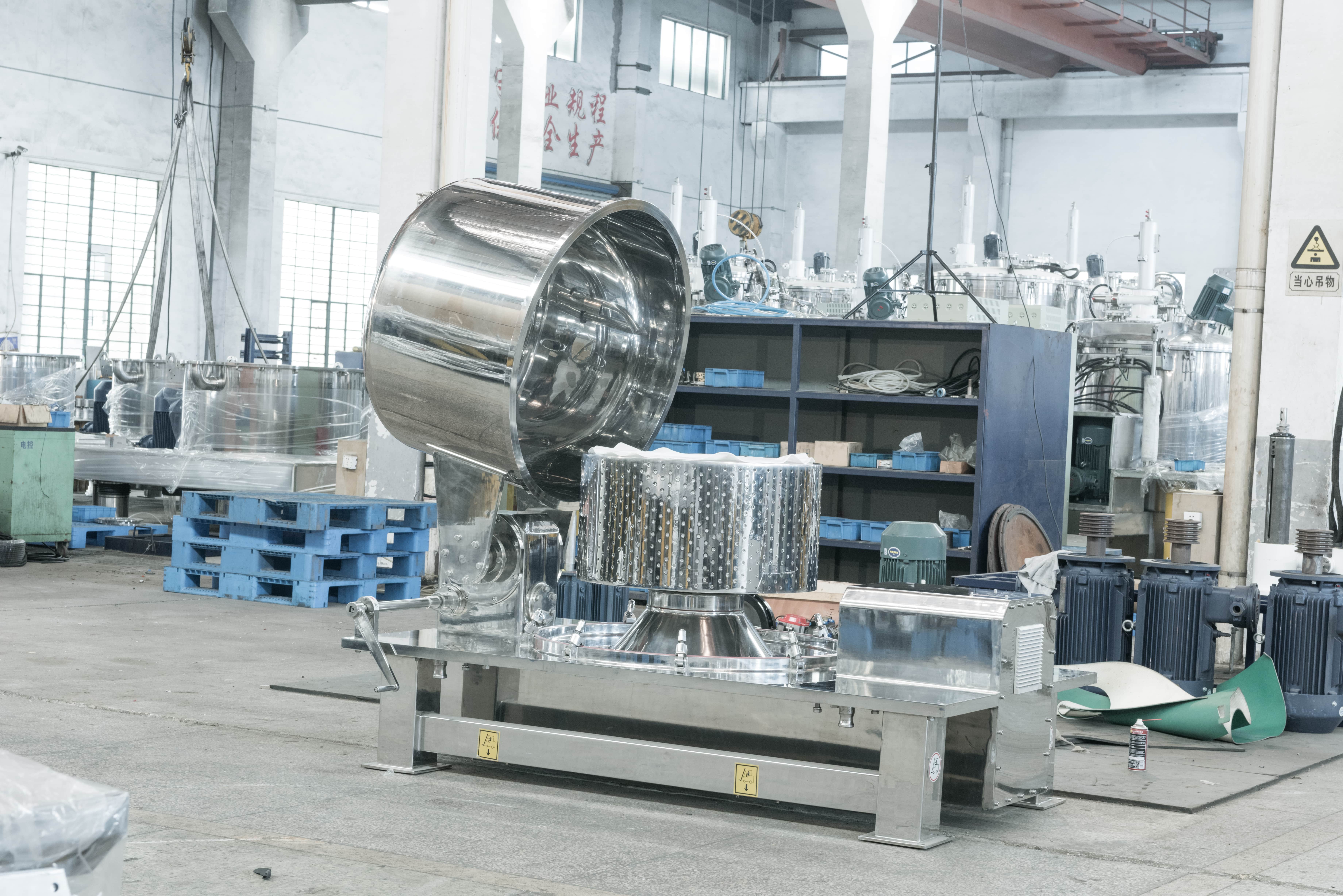
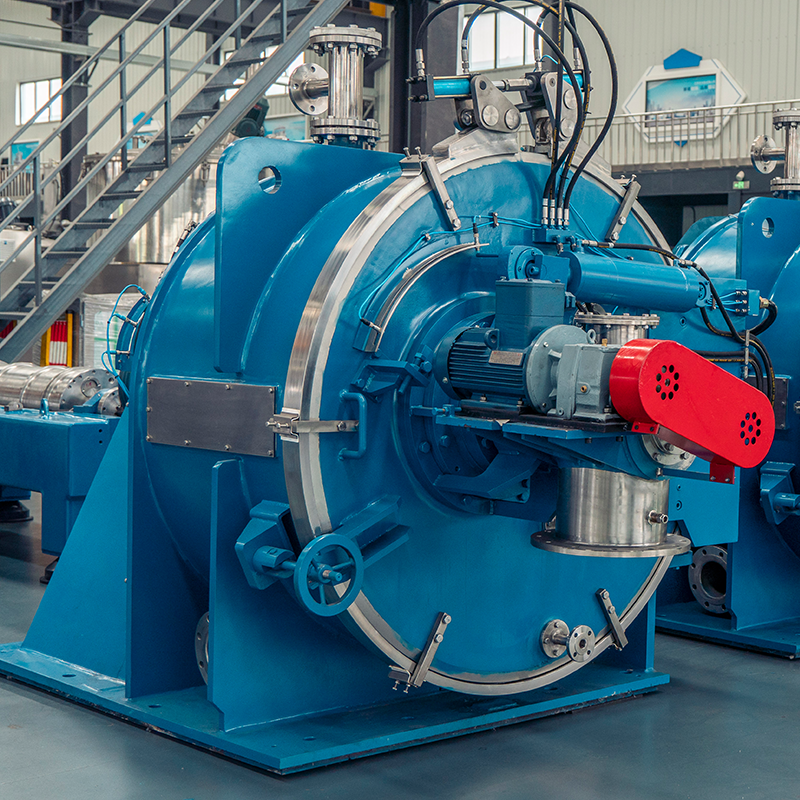
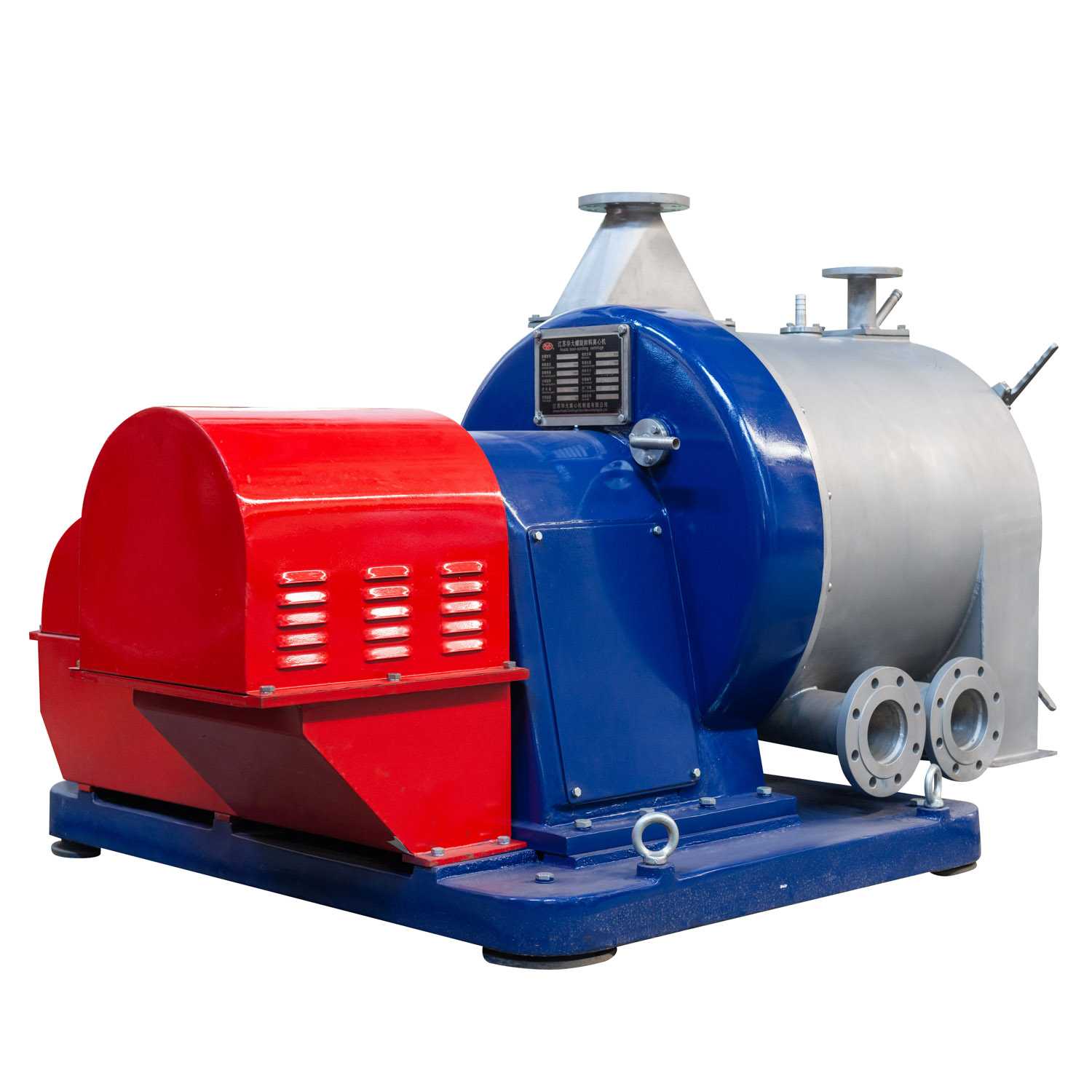
When it comes to operating a decanter centrifuge equipment in your facility, you can certainly say it is a quality piece of technology. Most likely, it will be the decanter that is the most important part of your solids control process, regardless of whether it is in your area of wastewater treatment, chemical processing, or food manufacturing. However, it is important to point out that even the best machines can lose their optimal operating zone. It might be that the solids discharge is getting a bit wetter, the power usage is getting higher, or the process is just not efficient enough. However, there is some good news. In most cases, resolving the issues does not depend on purchasing a new machine. It just might be a matter of making some adjustments in the operational process and paying more attention to the details. Over three decades of experience building and developing these machines certainly qualifies the team at Huada to offer suggestions on how to improve your decanter centrifuge equipment. In this article, we hope to show you how to improve the performance of your equipment to achieve optimal operational efficiency.
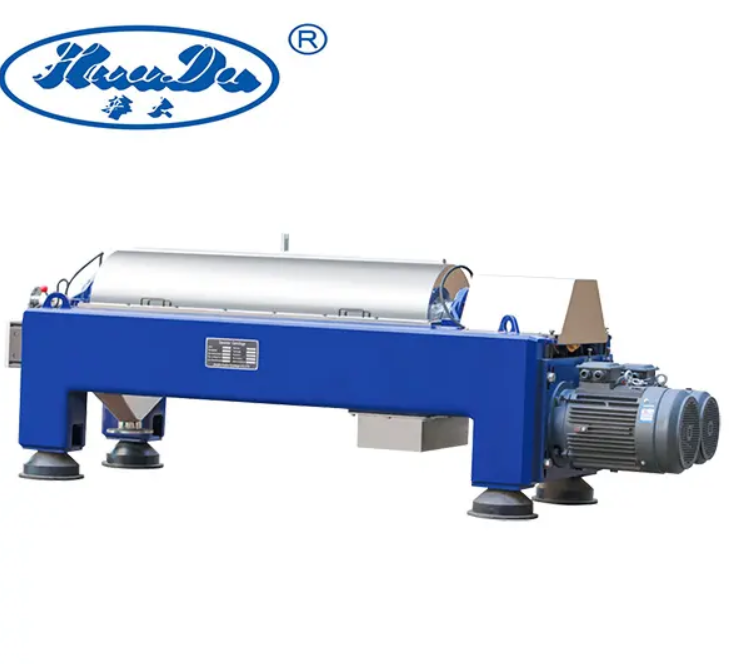
The quality of feed has the greatest impact on performance of your decanter. Feeding your decanter with poor quality feed will result in poor performance, even with the latest state of the art tech. It all begins with what you take to the decanter.
Foremost, consider the feed rate. Making the pump work too hard will give the machine too little time to do its job. If too little time is provided for the dewatering of solids, you may even lose some solids at the liquid end. In contrast, feeding the pump too slowly will result in unbeneficial use of the machines capacity. It is best to reach a rate in which the machine is at capacity without being too overworked.
Look at feed consistency. If at any point the feed slurry consistency is too low, the machine will frustrate you. The decanter will be unbothered in providing the performance results you expect. When it is the case, the machine may adjust the torque control which results in poor separation. If you can, use a good pump to homogenize the material. A pump is a cheap inviting performance upgrade, use it. Maintain a constant momentum and feed rate for even better results.
Consider the differential speed the heart of the decanter. It describes the speed difference between the bowl and the scroll. It determines the speed of the solids transit through the machine and how dry the solids will become. Prioritizing this setting is of the utmost importance.
When the differential speed is increased, the scroll will spin much faster compared to the bowl, thereby pushing the solids through much quicker. While this may seem appealing due to increased throughput, since the solids will be moving quicker through the machine, they will actually begin to exit the machine much wetter. This is similar to quickly pushing someone through the exit door without giving them a chance to collect their belongings. When the differential speed is decreased, the solids will move much slower through the machine. In fact, to a point, they may become drier, but they may also begin to collect to an extent that the scroll becomes overloaded with material, resulting in excessive torque that could stall the machine. The goal in this situation is to find the sweet spot. Most decanter centrifuges will have a user manual with manufacturer recommendations, so it is best to start with those and create a pattern of small adjustments thereafter. Keep a close eye on both the torque and the dryness of the cake; the difference could be very small, and yet extremely impactful.
You can also control the speed of the bowl rotation. The Gforce, which is the actual separating force, increases with the square of the speed. Therefore, a slight change in the bowl RPM can significantly enhance the separator performance.
Typically, increased Gforce translates to drier solids and less cloudy liquid. However, the downside is that the more the separator is used, the more operational and maintenance costs it will incur; the faster rotation will require more bearing replacements, etc. Additionally, the load may be excessive depending on the materials being separated. For instance, if you are working with easily dewatered materials, you can increase the speed to some degree to improve separation, while still conserving energy. Therefore, the most important objective is to ensure the correct balance of Gforce to separation task. In difficult separation tasks like sludges, or fine particle separation, a higher Gforce is required, while in other more coarse separation tasks, less Gforce is required. The most appropriate option to achieve this balance in your decanter centrifuge equipment is to install a variable frequency drive which will also keep the processor from being underutilized.
This setting may get overlooked a lot, but it impacts performance a lot. The pond depth is how much liquid is contained in the bowl. You change this by changing the size of the weir plates, or dams, at the liquid discharge end.
A deeper pond keeps the solids in liquid longer as they are transported down the bowl. This gives the solids more time to settle, possibly resulting in a clearer liquid. However, the solids also have to travel through the pond more, so they could come out wetter. On the other hand, a shallower pond means solids are exposed to the drying beach sooner, resulting in a drier cake, but the liquid may be more cloudy, because the solids are in a shorter section on the drying beach. If your goal is to have the clearest liquid possible, go with deeper. If your goal is to have the driest possible solids and do not care as much about the liquid, go with shallower. There is some trial and error to be done to find the best fit, so experiment with your materials.
Performance will decline even with perfect adjustments if the machine is worn out. The wear and tear on the components of the decanter centrifuge equipment is especially true for the bowl liners and scroll flights if you have them. Over time, these parts are worn down by the abrasive materials. When the scroll flights are worn down, they are less efficient in moving the solids. This can result in surging and poor cake discharges.
Inspections can be performed on the machine and are very beneficial. Be sure to take the machine offline periodically to look inside. Review the clearance between the scroll and the bowl. If it is too much, then it is time to repair or replace the parts. Look for wear on the conveyor bearings and plan maintenance around scheduled downtime to avoid any sudden failures in the middle of production. Most tough environments demand a little bit of wear and tear catching on maintenance.
When properly optimized, the use of polymers or flocculants can greatly enhance performance in dewatering processes. Specifically, the application of polymers or flocculants can help resolve the issue of fine particles remaining suspended in an effluent liquid, as well as resolve the issue of thick sludge.
Depending on your specific requirements, adding the optimal amount of polymer or flocculant can help you avoid chemical wastage, in addition to the previously mentioned advantages of fine particle removal, sludge thickening, and effluent liquid clarification. In certain situations, the polymer or flocculant must be thoroughly mixed prior to the addition of the sludge to a centrifuge, and as a result, it is often recommended to use some method of turbulence to achieve these mixing requirements. Simple jar tests can be undertaken to test and resolve the optimal concentration of a polymer or flocculant to achieve improved results in the effluent liquid and cake solids of a centrifuge. It is recommended to get started on these tests to improve the polymer or flocculant concentration in your cake solids.
While it may be possible to improve a process without measuring it, it is highly doubtful. For example, if your decanter centrifuge has a control system that allows for data logging, you should be using it. If not, perhaps some basic logging or measurement devices should be added. For example, it is informative to log and track measurements of feed flow, feed solids, torque, differential speed and power draw.
Data, when collected over time, often will show patterns. For example, does torque spike every time someone leaves for lunch? If so, that may give clues about possible changes in feed composition. Or does cake dryness drop when temperature gets below some set point? Knowing this helps you troubleshoot to improve the process. It is true that modern machines can often give recommended settings, and thus can act more intelligently. However, let us not forget that even a logbook, where an operator records important data, can be a treasure trove for process optimization.
Optimizing the performance of your decanter centrifuge is not an act of sorcery, but rather, an understanding of the little things, and the inner workings of the machine. Focus on achieving a stable feed, adjusting the bowl and differential speeds to your material. Vary pond depths based on the dryness of solids and clarity of liquids you want. In the case you use certain chemicals, ensure they are appropriately dosed. Lastly and most importantly, ensure the unit maintenance is always done. In all honesty, the little, manageable things are the most controllable to you to take an approach to effectively keep your decanter running. By doing these things, you lower your costs and get the desired separation results in your process. Machines such as Huada are created based on extensive decades of experience of engineers to ensure they perform. Optimization, however, is on you.
 Hot News
Copyright © 2025 Jiangsu Huada Centrifuge Co., Ltd. All Rights Reserved Privacy policy
No. 88 Qigan Road, Yangshe Town, Zhangjiagang City, Jiangsu Province, China
Copyright © 2025 Jiangsu Huada Centrifuge Co., Ltd. All Rights Reserved Privacy policy
 EN
EN
 AR
AR
 HR
HR
 CS
CS
 DA
DA
 NL
NL
 FI
FI
 FR
FR
 DE
DE
 EL
EL
 HI
HI
 JA
JA
 KO
KO
 NO
NO
 PL
PL
 PT
PT
 RO
RO
 RU
RU
 ES
ES
 SV
SV
 TL
TL
 ID
ID
 LT
LT
 SR
SR
 SK
SK
 UK
UK
 VI
VI
 HU
HU
 TH
TH
 TR
TR
 FA
FA
 MS
MS
 IS
IS
 LO
LO
 LA
LA
 MN
MN
 MY
MY
 KK
KK
 UZ
UZ
 IT
IT