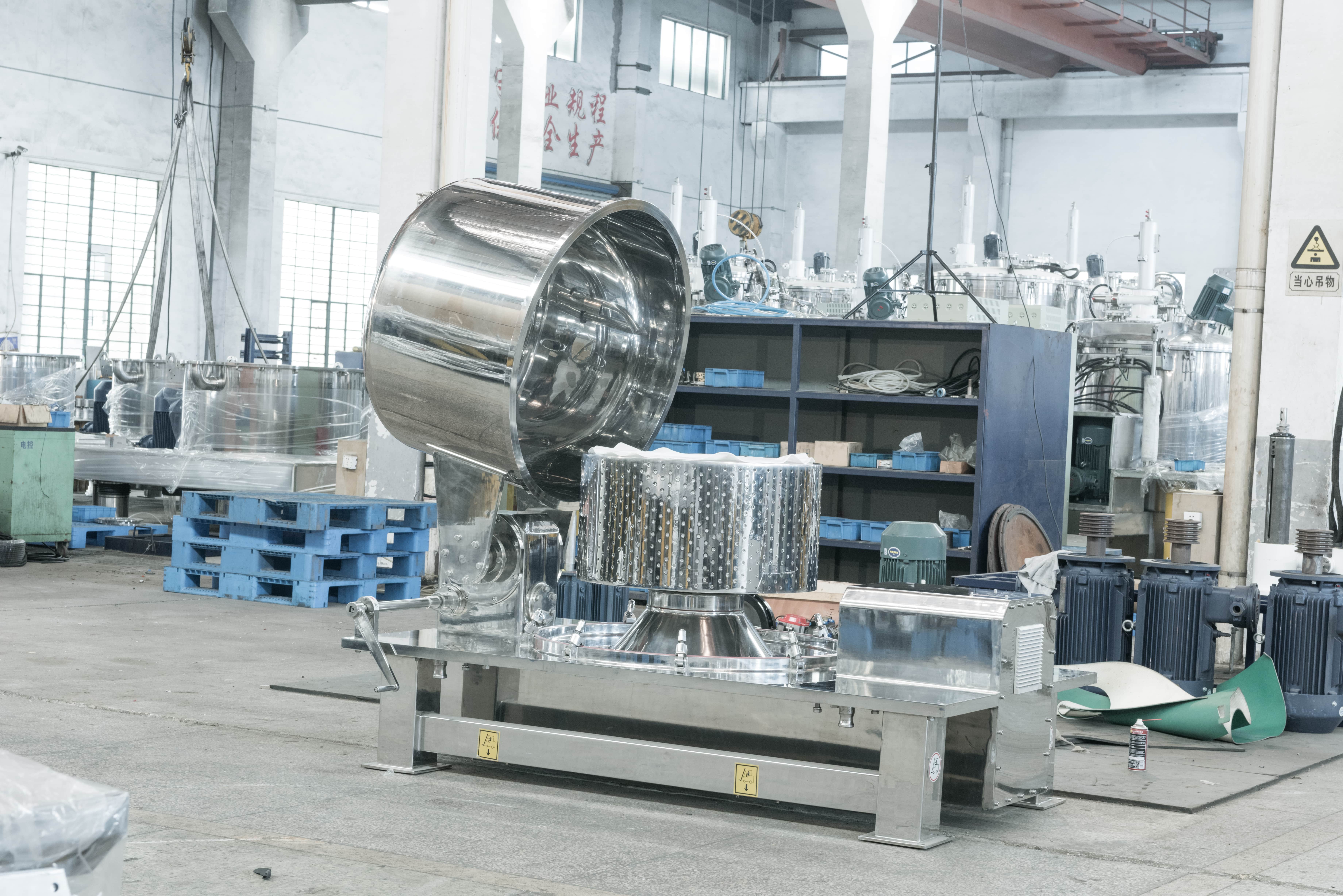
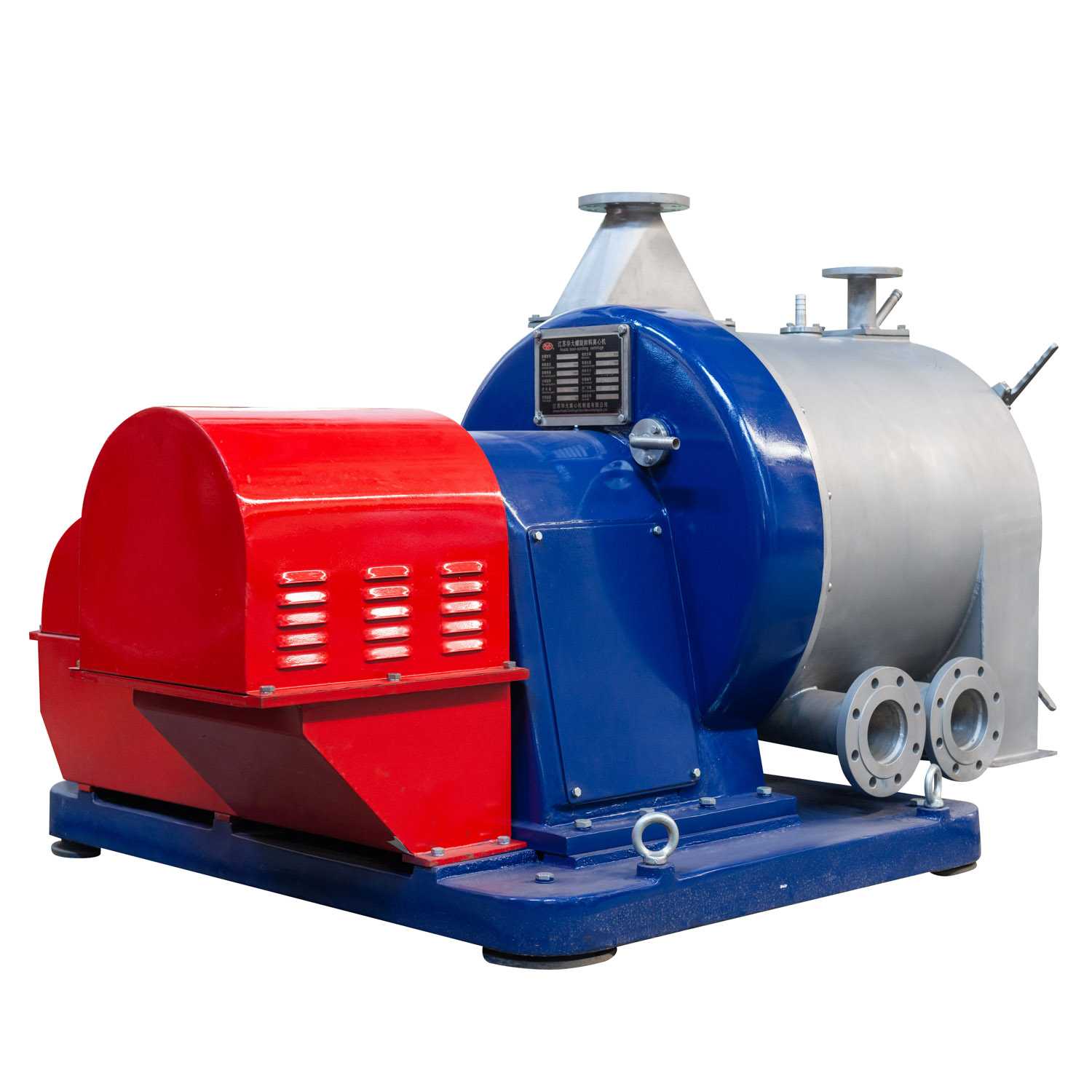
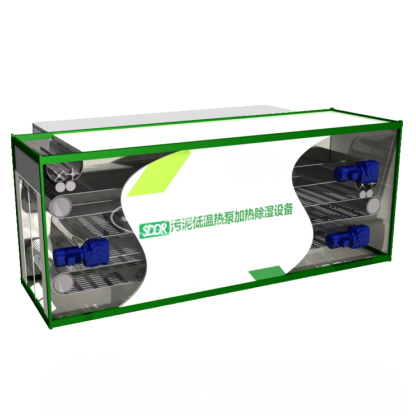
If you run a plant that deals with solid liquid separation in any serious way, you already know that the equipment you choose is not just a line item on a capital budget. It is a decision that will either quietly drain your operating account or steadily improve your margins every single shift. But here is the thing most people get wrong. They look at the sticker price and stop there. That is like buying a car based only on the dealer's asking price and completely ignoring fuel economy, insurance, and how often it breaks down. In the world of industrial separation, the purchase price is often the smallest number on the page. What really matters is what that machine costs you over the next five, ten, or even twenty years.
When you start peeling back the layers of what it actually costs to run a piece of separation equipment, you quickly realize that energy is usually the elephant in the room. For facilities running 24/7, especially in wastewater treatment, chemical processing, or food production, the electricity bill tied to a single machine can be staggering. Older centrifuge designs, and even some newer ones that lack smart controls, just spin at a constant high speed no matter what is flowing through them. That is like driving everywhere in first gear. It burns fuel, wears out the engine, and gets you no further faster. A high efficiency centrifuge changes this equation entirely by only using the power that is actually needed for the job at hand. When you multiply that kind of intelligent energy management across thousands of operating hours per year, the savings pile up faster than most managers expect. And that is just the energy side of the ledger. You also have to factor in maintenance downtime, the labor required to keep the thing running, and perhaps most importantly, how much valuable product you are leaving behind in the waste stream. All of these factors together tell the real story of what your centrifuge is costing you or saving you.
Let us talk about the upfront check you have to write. There is no getting around it. High efficiency equipment tends to cost more right out of the gate compared to the basic, no frills alternatives. You might see a price difference in the range of 15 to 25 percent when comparing a fully automated, intelligent system to a more manual or conventional setup. That initial difference can make a procurement manager pause. It is a real number on a purchase order, and budgets are budgets. But pausing too long at that number is a trap. The question you need to be asking is not "how much more does this cost" but rather "how quickly does that extra cost go back into my pocket."
This is where the operational savings start to tell a very different story. The first and most obvious place to look is the power meter. Modern high efficiency machines are built with variable frequency drives that allow the bowl speed to adjust based on the actual load and material characteristics. When you are running a thinner slurry, the machine dials back the RPM. When the load gets heavy, it ramps up. This adaptive approach can cut energy consumption by 15 to 20 percent or more. For a chemical plant or a wastewater facility running multiple units around the clock, that kind of reduction translates into tens of thousands of dollars staying in the bank every year instead of going to the utility company. Then you add in the labor equation. A manual system requires constant babysitting. An operator has to be there, watching gauges, making adjustments, and managing the discharge. Automated systems with PLC controls and smart sensors reduce that hands on requirement dramatically. Some operations report cutting supervisory labor hours by 80 percent or more, freeing up skilled technicians to focus on other parts of the plant instead of standing guard next to a spinning drum.
But the savings that often get overlooked are the ones hiding in your waste stream. An older or less efficient machine might leave a significant percentage of recoverable product in the liquid phase. Over the course of a year, those small percentages add up to a mountain of lost revenue, especially if you are processing high value materials like active pharmaceutical ingredients or specialty chemicals. Upgrading to a machine with higher separation efficiency directly boosts your yield without requiring any additional raw material input. That is pure profit. When you tally up the energy savings, the labor reduction, the lower maintenance intervals, and the improved product recovery, that initial 15 to 25 percent premium is often recovered in well under two years. After that, it is all upside.
If you want to make a truly informed decision, you need to stop thinking in terms of simple payback and start thinking about total cost of ownership. The industry calls it TCO, and it is the only metric that really matters for a piece of equipment that is going to sit on your factory floor for a decade or two. Studies comparing modern centrifuge technology against older filtration methods like filter presses have shown that even though the initial capital expenditure might be higher, the lifecycle cost can be up to 23 percent lower over a 20 year operating period. That is a massive number when you scale it across a large facility.
Why does that gap exist? It comes down to the cumulative weight of small, daily advantages. Take maintenance as a prime example. Traditional equipment has more moving parts that wear down and require frequent attention. Bearings, seals, and drive components on older or less sophisticated machines often need to be replaced or serviced on a much tighter schedule. A well engineered high efficiency system, by contrast, is built with durability in mind. The materials used in the drum and conveyor, often high grade stainless steel or even titanium alloys for corrosive environments, are designed to resist wear and tear over the long haul. That means fewer unplanned shutdowns and less money spent on emergency repair crews who charge a premium for showing up at 2 AM.
Then there is the footprint and installation factor. Modern high efficiency machines are often more compact and generate less vibration than their predecessors. That might not sound like a financial issue, but it absolutely is. A machine that vibrates heavily needs a reinforced concrete foundation, which adds significant civil engineering costs to your project before the centrifuge even arrives. A smoother running machine can often be placed on a standard industrial floor with far less preparation. When you are building a new line or expanding a plant, those savings on construction and installation can be substantial. And let us not forget about consumables. Some separation technologies require expensive filter cloths, membranes, or filter aids that need to be replaced on a regular basis. A high efficiency centrifuge that relies primarily on centrifugal force rather than disposable media eliminates a huge portion of that recurring expense. Over the life of the machine, avoiding those consumable costs alone can pay for a significant chunk of the initial investment. The bottom line is that a smart buyer looks past the invoice price and focuses on the steady, reliable stream of savings that comes from better engineering and smarter design.
At the end of the day, all the spreadsheets and ROI calculations in the world come down to one simple question: does this machine make my operation better and more profitable? And the answer, when you are looking at the right kind of equipment, is almost always yes. But that does not mean every high efficiency machine is right for every application. You have to match the tool to the task. A machine that excels at dewatering municipal sludge might not be the best fit for separating delicate crystals in a pharmaceutical clean room. This is where working with a partner that has deep engineering experience makes all the difference.
When you are evaluating options, you want to look for a manufacturer that has been in the trenches for decades, someone who has seen the weird and wonderful variety of separation challenges that exist across industries like chemicals, mining, food processing, and environmental protection. You want a team that holds a significant number of patents because that signals a culture of continuous innovation rather than just copying old designs. The best partners in this space are the ones who do not just ship you a box and walk away. They work with you to understand your specific material, your flow rates, your space constraints, and your business goals. They help you dial in the parameters that maximize your return, whether that means tweaking the bowl speed, adjusting the weir settings, or selecting the right wear resistant materials for your particular chemical environment.
And remember, this is a long term relationship. You are going to be living with this piece of equipment for years. You want to know that when something goes wrong, or even when you just have a question about optimizing a cycle, there is a knowledgeable human on the other end of the phone. Look for a partner with a global footprint and a service team that has seen it all before. Companies that have exported equipment to dozens of countries and maintained high customer satisfaction over decades are the ones that understand what reliability really means. In the end, investing in a high efficiency centrifuge is not just about buying a machine. It is about buying peace of mind, better margins, and a cleaner, more consistent process. And when you look at the full picture of costs and benefits over the life of that equipment, it becomes one of the smarter capital decisions a plant manager can make.
 Hot News
Copyright © 2025 Jiangsu Huada Centrifuge Co., Ltd. All Rights Reserved Privacy policy
No. 88 Qigan Road, Yangshe Town, Zhangjiagang City, Jiangsu Province, China
Copyright © 2025 Jiangsu Huada Centrifuge Co., Ltd. All Rights Reserved Privacy policy
 EN
EN
 AR
AR
 HR
HR
 CS
CS
 DA
DA
 NL
NL
 FI
FI
 FR
FR
 DE
DE
 EL
EL
 HI
HI
 JA
JA
 KO
KO
 NO
NO
 PL
PL
 PT
PT
 RO
RO
 RU
RU
 ES
ES
 SV
SV
 TL
TL
 ID
ID
 LT
LT
 SR
SR
 SK
SK
 UK
UK
 VI
VI
 HU
HU
 TH
TH
 TR
TR
 FA
FA
 MS
MS
 IS
IS
 LO
LO
 LA
LA
 MN
MN
 MY
MY
 KK
KK
 UZ
UZ
 IT
IT