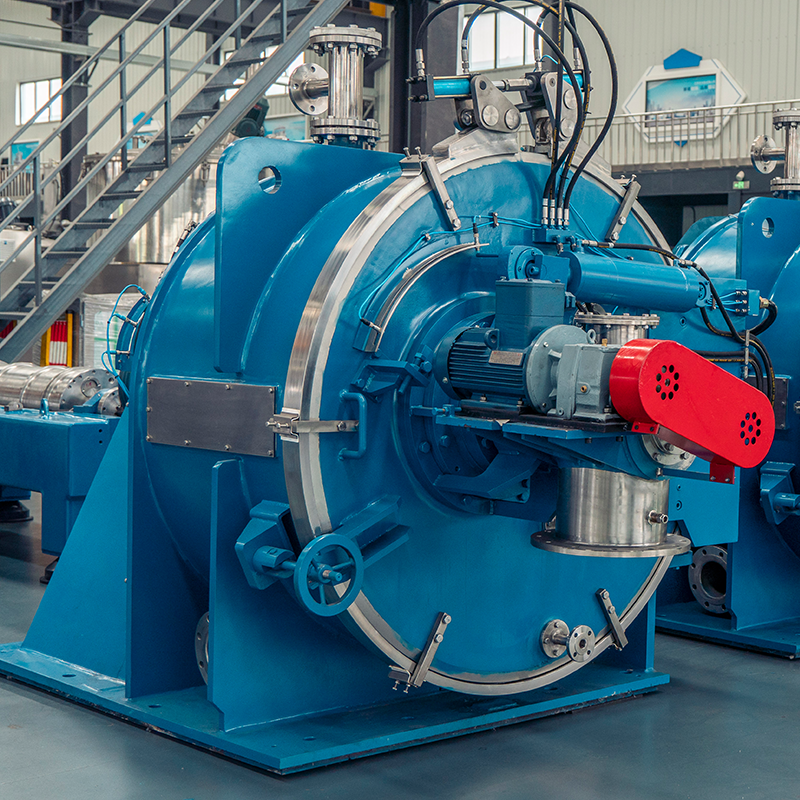
If you work anywhere near industrial separation processes, chances are you have either operated a decanter or you have walked past one while it hummed away tirelessly in the corner of the plant. It is one of those pieces of machinery that does not get the glory of a shiny new reactor or a high tech control room, but it is absolutely essential for keeping your operation moving. Before diving into the nuts and bolts of starting it up or shutting it down, it helps to have a clear picture of what is actually happening inside that massive rotating assembly. The core concept is surprisingly simple: you spin a cylindrical bowl incredibly fast, generating a force that can be over three thousand times that of gravity. Inside this bowl, a screw conveyor moves at a slightly different speed, constantly pushing the heavier solids toward one end while the cleaner liquid flows out the other. It sounds straightforward, but in practice, this continuous process is what makes decanter centrifuge equipment a workhorse in everything from municipal wastewater plants to pharmaceutical clean rooms and oilfield drilling operations.
The thing is, this is not a one size fits all piece of gear. Depending on where you are using it, the design philosophy changes quite a bit. You might find a standard configuration handling general sludge, but there are also models built specifically to handle three phase separation, separating oil, water, and solids all in one go. Then you have the explosion proof versions designed for volatile chemical environments, and even specialized filtration types for when you need extremely dry cake. What ties them all together, however, is the fact that they are all designed to run continuously without needing to stop for manual unloading. That is the massive advantage over batch type machines. But that continuous nature also means the machine needs a certain level of respect and understanding from whoever is running it. If you just walk up to it and start hitting buttons without a pre flight check, you are asking for trouble. The first real step in any operation manual is not about the spinning, it is about the looking and listening that happens before the power is even switched on. A quick walk around to check for loose guards, a visual on the lubrication levels, and making sure the discharge paths are clear can save you from a catastrophic start up. Just like you would not drive a car with a flat tire, you cannot run a high speed decanter with a blocked outlet or dry bearings.
Alright, you have done the walk around, everything looks solid, and you are ready to actually get this thing spinning. This is where the "feel" of the machine really comes into play, and it is why experienced operators are worth their weight in gold. The startup sequence on this kind of gear is not just about flipping a main breaker. There is a very deliberate rhythm to it. Usually, you need to bring up the auxiliary motor first, let the machine settle, and then engage the main drive to reach full operating speed. There is a good reason for this staged approach. Jumping straight to full power creates a massive electrical and mechanical shock that shortens the life of bearings and can trip every overload sensor in the panel. Instead, you want a smooth ramp up, giving the heavy bowl time to overcome inertia gracefully.
Once you hear that steady, almost hypnotic hum that indicates the machine is up to speed and running stable, you still do not just open the floodgates on the process slurry. Most seasoned operators will tell you to run clean water through the system for a few minutes first. This does two things: it confirms that the discharge pathways for both the liquid and solids are unobstructed, and it also helps stabilize the temperature and hydraulic balance inside the bowl. After you see clear water flowing out where it is supposed to, then you can start introducing the actual feed. And here is the golden rule of running a decanter: do not just crank the valve wide open. You ease into it. You feed slowly, watching the amp draw on the main motor and listening to the sound of the machine. If the amps spike too quickly or you hear the distinct groan of the bowl struggling, you back off. This machine thrives on consistency. If you slam it with a slug of heavy solids all at once, you risk plugging the conveyor or overloading the gearbox. The sweet spot is a steady, manageable flow that allows the centrifugal force to do its job and the screw conveyor to keep up with the volume of solids being pushed out.
The real skill in operating this decanter centrifuge equipment is understanding that it is a balancing act between two worlds: the pool depth of the liquid and the differential speed of the conveyor. You do not need to be an engineer with a calculator to get this right, but you do need to pay attention. If the liquid coming out the weir side looks a little cloudy, you might have too much material moving through too fast, or the pool depth is a bit shallow. If the solids coming out the other end look like they could be used to build mud pies instead of dry cake, you might need to tweak the conveyor speed to let that material sit under centrifugal force just a little bit longer. Modern machines make this easier with PLC controls that let you adjust parameters on the fly, but the operator's eye is still the best diagnostic tool you have. You are looking for that sweet spot where the liquid is clear and the solids are relatively dry without the machine sounding like it is about to walk across the floor.
Ending the process correctly is just as critical as starting it, if not more so. A sloppy shutdown is the number one cause of that dreaded 3 AM phone call to the maintenance crew about a locked rotor or a vibration fault on the next startup. You cannot just hit the big red emergency stop and call it a day. That is a great way to leave a thick, dense layer of solids glued to the inside of the bowl, which will throw the entire assembly out of balance the moment you try to spin it up again. Instead, you need to follow a deliberate shutdown routine that treats the machine with care. First, you cut off the feed. No more slurry comes in. But the bowl keeps spinning. You let it run until you see that no more solids are being discharged and the liquid flow has tapered off. This is where the cleaning cycle comes into play.
While the bowl is still rotating at a decent clip, you introduce a significant flow of clean water or a suitable wash solvent. This flush serves a very specific purpose: it scours the inner walls of the bowl and the flights of the conveyor, knocking loose any remaining solids that were too stubborn to eject on their own. You keep this rinse going for several minutes, until the water running out of the discharge ports is crystal clear. This step is non negotiable if you are handling corrosive or sticky materials, because letting that gunk dry inside the machine is like setting concrete inside your most expensive asset. Only after the flush is complete and the water is turned off do you cut power to the main drive motor. Then, and this is a common point of confusion, you need to let the bowl coast down naturally. Do not try to brake it. The rotating assembly stores an immense amount of kinetic energy, and forcing it to stop abruptly puts a tremendous strain on the gearbox and bearings. Let gravity and friction do their thing. Once the machine has come to a complete rest, you can shut down the auxiliary systems and lock out the main power.
If you are shutting down for a long period or if freezing temperatures are in the forecast, you have one more crucial step. You must ensure there is no standing water or process liquid left inside the casing or the bowl. If that liquid freezes, it expands. In a machine with tight clearances measured in millimeters, expanding ice will crack housings, bend conveyor flights, and destroy bearings. Draining low point valves and maybe even blowing compressed air through the lines is a small price to pay compared to a six figure repair bill. A clean, dry machine is a happy machine, and it will be ready to start up smoothly when you come back on shift.
While this operation manual focuses on the day to day running of the machine, we cannot wrap things up without talking about the bigger picture: keeping people safe and keeping the asset productive for years to come. This is not a drill press or a conveyor belt. This is a piece of equipment spinning heavy steel components at high velocity. The energy stored in a running decanter is nothing to trifle with. That is why every manufacturer, including those with decades of experience in this field, stresses that safety guards must be in place before the machine even gets powered up. You never, ever open an inspection hatch or try to peek inside while the bowl is rotating. It does not matter if it is "just a quick look." High speed rotating equipment does not give second chances. The same goes for bypassing interlocks or ignoring vibration sensors. Those sensors are not there to annoy you. They are there to tell you that something is wrong, like a bearing about to seize or a buildup of material causing an imbalance.
On the maintenance side of things, a little bit of routine attention goes a very long way. This decanter centrifuge equipment is designed to run 24/7, but it cannot do that on hope alone. Lubrication is the lifeblood of the system. Bearings on the main shaft and in the gearbox need to be checked and topped off on a regular schedule. If you wait until you hear a squeal or feel excessive heat, you have already waited too long. That noise means damage is occurring. Keeping a simple logbook with operating hours, vibration levels, and bearing temperatures is one of the smartest things a plant can do. Over time, that log becomes a story. It tells you that when the amps climb by a few percent, it might be time to check the feed consistency. It tells you that a gradual increase in vibration over three months might mean the wear strips on the conveyor are getting thin.
Finally, remember that even the best manual cannot cover every single scenario. You might be dealing with a tricky emulsion in the chemical industry, a fibrous material in food processing, or abrasive sand in mining. Each application puts its own unique wear pattern on the machine. That is where the expertise behind the nameplate matters. Companies that have been building centrifuges for decades and hold a significant number of patents have seen these problems before. If something is not running right, reaching out for support is not a sign of failure. It is smart operation. Following the steps laid out here for startup, operation, and shutdown will keep your machine running smoothly. But pairing that with a healthy respect for safety and a commitment to regular maintenance is what turns a piece of equipment into a reliable, long term partner in your operation.
 Hot News
Copyright © 2025 Jiangsu Huada Centrifuge Co., Ltd. All Rights Reserved Privacy policy
No. 88 Qigan Road, Yangshe Town, Zhangjiagang City, Jiangsu Province, China
Copyright © 2025 Jiangsu Huada Centrifuge Co., Ltd. All Rights Reserved Privacy policy
 EN
EN
 AR
AR
 HR
HR
 CS
CS
 DA
DA
 NL
NL
 FI
FI
 FR
FR
 DE
DE
 EL
EL
 HI
HI
 JA
JA
 KO
KO
 NO
NO
 PL
PL
 PT
PT
 RO
RO
 RU
RU
 ES
ES
 SV
SV
 TL
TL
 ID
ID
 LT
LT
 SR
SR
 SK
SK
 UK
UK
 VI
VI
 HU
HU
 TH
TH
 TR
TR
 FA
FA
 MS
MS
 IS
IS
 LO
LO
 LA
LA
 MN
MN
 MY
MY
 KK
KK
 UZ
UZ
 IT
IT