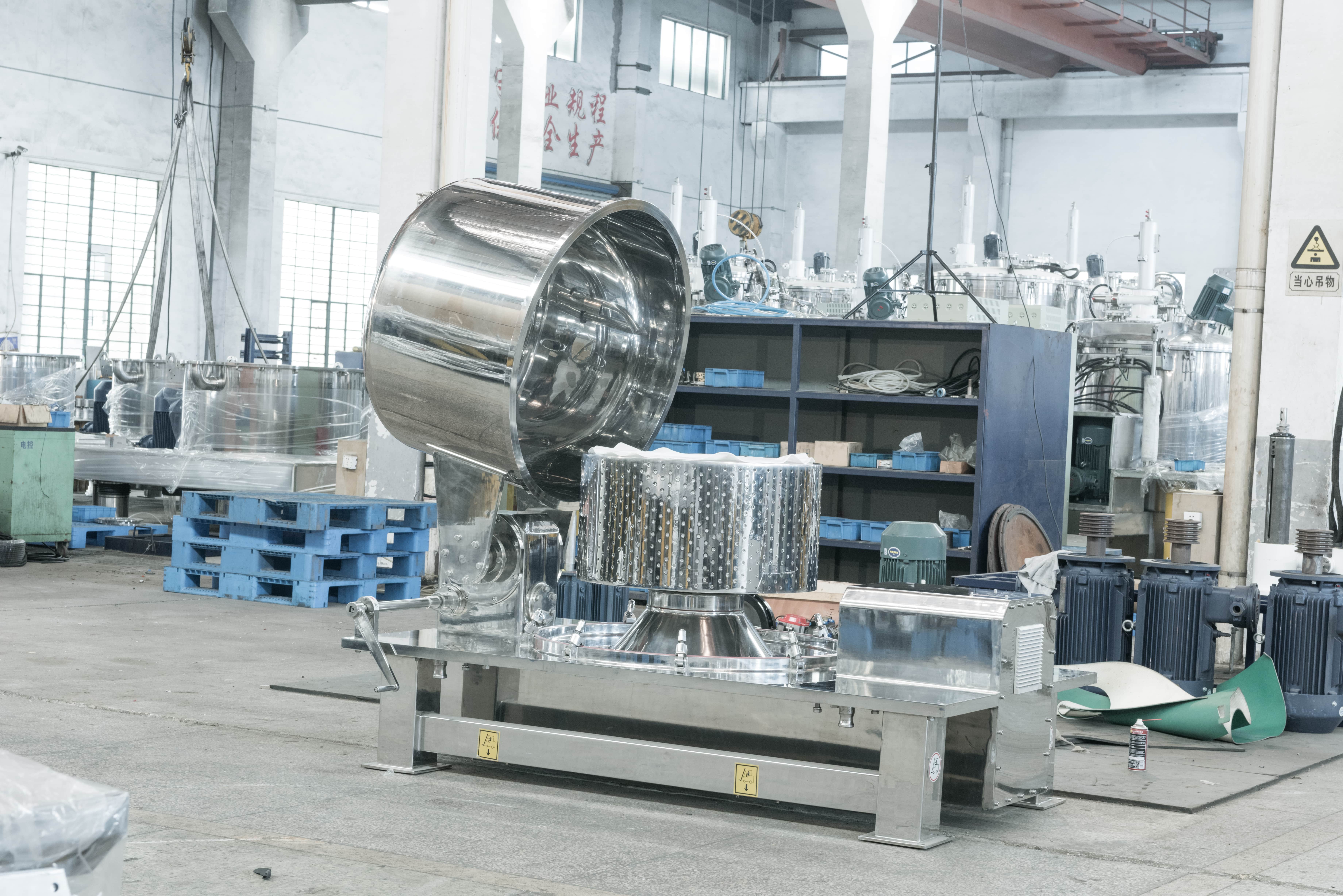
A szűrőféreg-centrifugák alapvetően más elven működnek, mint a letelepedési típusú centrifugák. Ahelyett, hogy a szilindrikus szűrőn keresztül a szilindrikus szűrőn keresztül a szilindrikus szűrőn keresztül a szilindrikus szűrőn keresztül a szilindrikus szűrőn keresztül a szűrőn keresztül a szűrő folyadékot szedíment Ez a folyamatos, pozitív elmozdulású működés azt jelenti, hogy a gép nem várja meg, hogy a szilárd anyagok letelepedjenek, hanem aktívan átviszi őket a szétválasztó zónán. Az eredmény egy olyan átviteli sebesség, amely kétszer-háromszor magasabb lehet, mint egy hasonló méretű dekanternek, amely ugyanazt a szabad áramlású kristályos csiszoltanyagot feldolgozza.
A képernyő a szűrőcsiga hidraulikus teljesítményét meghatározó, leglassabb lépése. A folyadéknak át kell jutnia a képernyő nyílásain, és az összes nyitott felület határozza meg a maximális hidraulikus kapacitást. Egy 0,10 milliméteres résekkel ellátott képernyő nagyon tiszta szűrőfolyadékot eredményez, de korlátozza az átfolyást. Egy 0,25 milliméteres résekkel ellátott képernyő 30–50 százalékkal több folyadékot enged át, de több finom szilárd anyag is kijut a szűrőfolyadékkal együtt. .
Egy szűrőszalagos centrifuga gyakorlati sebessége – azaz a tápsebesség, amelyet úgy tud fenntartani, hogy ne legyen túlfolyás vagy túlzott szilárd anyag-áthordozás – közvetlenül függ a szűrőszalag kiválasztásától. Egy nátrium-szulfát kristályokat feldolgozó üzem tapasztalta, hogy a 0,15 milliméteres réssel rendelkező szűrőszalagról egy 0,20 milliméteres réssel rendelkezőre való áttérés 38 százalékkal növelte a fenntartható tápsebességet. A szűrt folyadék tisztasága enyhén csökkent, de a szűrő utáni kristályosító képes volt kezelni a további finom szennyeződéseket anélkül, hogy problémát okoztak volna. A folyamat sebességének javulása nem abból származott, hogy gyorsabban működtették a berendezést, hanem abból, hogy a szűrőszalagot a szűrő utáni szilárd anyag-áthordozásra vonatkozó tűréshatárhoz igazították.
A képernyő elszennyeződése a másik tényező, amely korlátozza a hosszabb ideig fenntartható sebességet. Amint finom szilárd részecskék beakadnak a képernyő nyílásaiba, a nyitott felület csökken, és a berendezés elárasztódik. A legjobb védelem az elszennyeződés ellen a kúpos drótháló (wedge-wire) szerkezetű képernyő, amelyben a rések belül szélesednek, így a részecskék át tudnak jutni, nem pedig beakadnak. Azok a létesítmények, amelyek ragadós vagy enyhén higroszkópikus anyagokat dolgoznak fel, gyakran külső oldalról időszakosan mosófolyadékot permetező képernyőmosó rendszert telepítenek, hogy eltávolítsák a beakadt részecskéket.
A szűrőhengeren belüli csavar nemcsak a szilárd anyagokat mozgatja – szabályozza azt is, mennyi ideig maradnak érintkezésben a szűrőfelülettel, valamint mekkora mechanikai nyomást fejt ki a tortára. Az egyindulásos, szoros menetemelkedésű csavar hosszabb ideig tartja a szilárd anyagokat a szűrőn, szárazabb tortát eredményezve, de korlátozza a térfogatáramot. A kétindulásos, agresszívebb menetemelkedésű csavar majdnem megkétszerezheti a szilárd anyagok feldolgozási sebességét, bár a torta általában nedvesebb lesz. .
A csavar geometriájának kiválasztása szándékos kompromisszumot jelent a folyamat sebessége és a torta minősége között. Egy olyan üzem, amelynek száraz tortára van szüksége a további feldolgozáshoz – például egy forgó szárítóhoz, amelynek meghatározott nedvességtartalom-korlátja van – az egyindulásos csavart választhatja, és elfogadja az alacsonyabb áteresztőképességet. Egy olyan üzem, ahol a torta közvetlenül egy tárolóba kerül a további feldolgozásra, a kétindulásos csavart választhatja, hogy maximalizálja a gyártósor sebességét.
Néhány újabb képernyős csiga tervezés változó menetemelkedésű csavarokat alkalmaz, amelyek a tápláló végén szoros menetemelkedéssel kezdődnek a szárítás maximalizálása érdekében, majd a kiürítő vég felé egyre szélesebb menetemelkedésre váltanak a szilárd anyagok gyorsabb eltávolítása érdekében. Ez a változó geometria lehetővé teszi, hogy a gép ugyanazon a tápláláson mind jó szárítást, mind magas áteresztőképességet érjen el. A mechanikai bonyolultság magasabb, de a folyamatsebesség javulása jelentős lehet.
A szuszpenzió bevezetésének módja a képernyős csiga centrifugába döntően meghatározza, hogy a teljes képernyőfelület valóban hasznos munkát végez-e. Egyenetlen táplálás-elosztás esetén a képernyő egyik szakasza túlterhelődik, míg egy másik szakasza alulterhelt marad. Ennek eredményeként a gép csak a tényleges kapacitásának 60–70 százalékán működik, a túlterhelt szakaszon rossz a szűrőfolyadék tisztasága, míg másutt feleslegesen marad kihasználatlan képernyőfelület .
A megfelelő tápanyag-elosztáshoz olyan tápanyag-elosztó szükséges, amely egyenletesen teríti el a szuszpenziót a rács teljes szélességén. Egyes gépek forgó kúpot használnak, amely a szuszpenziót egyenletes mintázatban löki ki kifelé. Mások álló elosztót alkalmaznak, amelyet gondosan kialakított baffle-ek (elterítő lemezek) segítenek. Az elosztónak kezelnie kell a tápanyag-koncentráció ingadozásait is – egy hirtelen növekedés a szilárd anyag-tartalomban nem okozhatja az elosztó eltömődését vagy egy koncentrált áram irányítását a rács egy részére.
Egy hebei létesítmény, amely kálium-szulfátot dolgoz fel, modernizálta tápanyag-elosztóját egy egyszerű csőről forgó kúpos rendszerre. A fenntartható tápanyag-adagolási sebesség 22 százalékkal nőtt anélkül, hogy bármilyen más változást hajtottak volna végre a gépen. A javulás kizárólag a rendelkezésre álló rácsfelület jobb kihasználásából eredt.
A szűrőcsigás centrifugák a legjobb teljesítményt mutatják, ha a befolyó szilárd anyag koncentrációja meghalad egy bizonyos küszöbértéket – általában 40–60 tömegszázalék szilárd anyagot tartalmaz. ez alatt a tartományban a folyadék térfogata túlterheli a szűrő hidraulikus kapacitását, és a berendezés elárasztódik, mielőtt elérné a szilárd anyagok kezelésére való teljes képességét.
A befolyó előzetes megvastagítása – például ülepítő tartály, hidrociklon vagy kis méretű dekantáló segítségével – növelheti a szilárd anyag koncentrációját az optimális tartományba, és így kiaknázható a szűrőcsigás centrifuga teljes sebességkapacitása. Egy jiangszui vegyi üzem, amely ammónium-szulfátot dolgoz fel, egy kis hidrociklont telepített a szűrőcsigás centrifugája elé. A hidrociklon a befolyó szilárd anyag koncentrációját 32-ről 48 százalékra növelte. A szűrőcsigás centrifuga fenntartható befolyó sebessége 65 százalékkal nőtt, és a szűrőfolyadék tisztasága is javult, mivel a szűrőt már nem terhelték túlzottan a folyadék térfogatai.
Az előre-sűrítési lépés további berendezéseket és bonyolultságot jelent, de a termelékenység növekedése gyakran megtéríti a befektetést. Azokban a gyártóüzemekben, ahol a rácsos csigás centrifuga a szűk keresztmetszet, az előre-sűrítés a leggazdaságosabb módja lehet a vonali sebesség növelésének.
A Huadahoz hasonló, kiterjedt tapasztalattal rendelkező gyártók a rácsos csigás centrifugák alkalmazásában alkalmazás-mérnöki támogatást nyújtanak a felhasználóknak, hogy kiválasszák a megfelelő rácsot, csiga geometriát és tápanyag-előkészítési stratégiát anyagukhoz. A megfelelő konfigurációból származó folyamatsebesség-növekedés drámai lehet, de ehhez szükséges egy rendszerszintű megközelítés az egész szétválasztó rendszer optimalizálására, nem csupán magára a centrifugára.
 Aktuális hírek
Copyright © 2025 Jiangsu Huada Centrifuge Co., Ltd. Minden Jog Fenntartva Adatvédelmi irányelv
Kínában, Dél-Cíbéli prowincziában, Zhangjiagang városában, Yangshe településén, Qigan út 88. házszám
Copyright © 2025 Jiangsu Huada Centrifuge Co., Ltd. Minden Jog Fenntartva Adatvédelmi irányelv
 EN
EN
 AR
AR
 HR
HR
 CS
CS
 DA
DA
 NL
NL
 FI
FI
 FR
FR
 DE
DE
 EL
EL
 HI
HI
 JA
JA
 KO
KO
 NO
NO
 PL
PL
 PT
PT
 RO
RO
 RU
RU
 ES
ES
 SV
SV
 TL
TL
 ID
ID
 LT
LT
 SR
SR
 SK
SK
 UK
UK
 VI
VI
 HU
HU
 TH
TH
 TR
TR
 FA
FA
 MS
MS
 IS
IS
 LO
LO
 LA
LA
 MN
MN
 MY
MY
 KK
KK
 UZ
UZ
 IT
IT