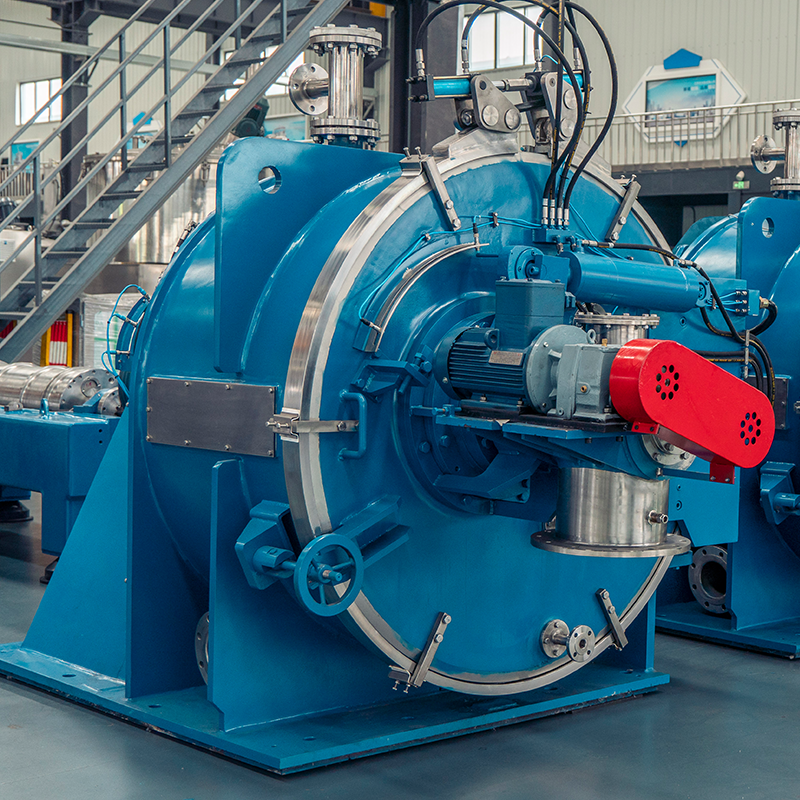
De decantercentrifugetechnologie onderscheidt zich onder de verscheidenheid aan vaste-vloeibare scheidingsmethoden die beschikbaar zijn voor de chemische, farmaceutische en milieubeschermingsindustrie. De decantercentrifugetechnologie is in China gedurende meer dan dertig jaar voortdurend verbeterd. Als ik denk aan 2026 en daarna, zal de toekomst van vaste-vloeibare scheidingsapparatuur, en meer specifiek van decanters, niet alleen draaien om hogere snelheid en grotere bedrijfstijd. De toekomst zal ook omvatten slimmere decanters met intuïtieve bediening, positieve feedbackmechanismen voor operators, slimme diagnosemogelijkheden en andere energiebesparende en probleemoplossende technologieën.
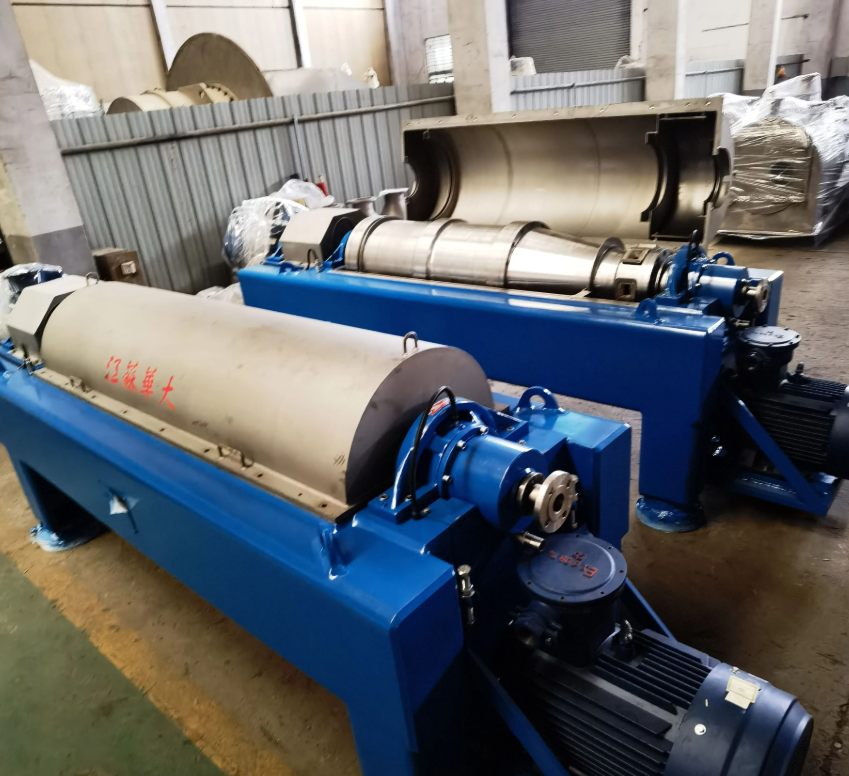
De toekomst van dekantortechnologieën zal helderder en intelligenter zijn. De afgelopen decennia werden dekantoren mechanisch bediend. Een operator stelde de snelheid en de toevoer van de slurry in en moest daarna maar hopen op het beste. Het was ook onmogelijk voor de operator om proactief op te treden. Als er een probleem ontstond – bijvoorbeeld een verstopping of een onverwachte trilling – en het was onmogelijk om een aanvaardbare bedrijfscyclus te behouden, dan hoopte de operator eenvoudigweg op een ondermaatse productkwaliteit. Als een operator boven deze ondermaatse kwaliteit werkte of meerdere van dergelijke cycli doormaakte, moest de dekantor simpelweg worden stilgelegd. Toekomstige dekantoren zullen in staat zijn om deze complexe scenario’s en extreme situaties te diagnosticeren en te beoordelen.
We zien al de hoge O&O-niveaus waarmee fabrikanten de grondslag kunnen leggen voor voorspellend onderhoud. Allereerst moeten fabrikanten overal sensoren aanbrengen: denk aan trillingsensoren die afwijkingen kunnen detecteren voordat er een probleem optreedt, en temperatuursensoren die lagers in realtime bewaken. Deze bewakingssystemen zijn verbonden met een algoritmisch regelsysteem dat het systeem in staat stelt te begrijpen wat normaal is voor die specifieke machine. In plaats van de operator alleen maar te waarschuwen bij een storing, zegt het regelsysteem bijvoorbeeld: ‘Hé, het afscheidssegment slijt iets ongelijkmatig; u zou het toevoersnelheidsniveau eens willen controleren.’ Dit type voorspellend onderhoud levert fabrikanten aanzienlijke kosten- en tijdswinst op. Voorspellend onderhoud betekent dat de decanterscheidingstank met u communiceert wanneer het een echte game-changer wordt voor installatiebeheerders.
De drang naar duurzaamheid is een belangrijke reden voor de veranderingsdrang. Alle fabrieken zoeken naar manieren om hun energieverbruik en afval te verminderen. De decantercentrifuge van de toekomst moet een belangrijk onderdeel zijn van die groene strategie en geen energievretende machine. Fabrikanten richten zich op het gehele aandrijfsysteem.
Overweeg de nieuwe, opkomende energieterugwinningssystemen. Toekomstige ontwerpen zullen de kinetische energie van een afremmende centrifuge niet langer gewoon verspillen. In plaats daarvan wordt die energie opgevangen en gebruikt om een andere machine op te starten, en wordt geïntegreerd in een gesloten lus-systeem, zoals bij een hybride auto. Bovendien worden de hydraulische aandrijvingen voor de schroef (scroll drive) steeds efficiënter. Zij maken gebruik van variabele snelheidsaandrijvingen die de stroming aanpassen aan de belasting, in plaats van continu op maximale stroming te draaien. Deze groene focus is geen tijdelijke trend. Met meer dan 30 jaar ervaring in sectoren van voedingsmiddelenverwerking tot mijnbouw weten fabrikanten dat een decantercentrifuge die met minder water spoelt en energie-efficiënter is, in elke markt een zichzelf verkoopend product is.
Al vele jaren is roestvrij staal de gouden standaard voor de bouw van industriële decanters. Hoewel het doeleinde voldoende wordt bereikt, stellen mijnbouw, chemische verwerking en andere industriële processen extreme omstandigheden zoals hoge temperaturen en sterk slijtageveroorzakende omgevingen waarbij roestvrij staal eenvoudigweg niet volstaat.
Nieuwe legeringen en geavanceerde keramische materialen staan op het punt om commercieel beschikbaar te worden voor talloze industriële processen en toepassingen. Stel u een decantersentrifuge voor waarbij de schroef – het onderdeel dat de vaste stoffen naar buiten verplaatst – is bekleed met een slijtvaste bekleding van diamantachtig, vrijwel keramisch materiaal. Denk na over het verschil dat dit zal maken voor de slijtlevensduur van de schroef bij bedrijf in zeer slijtende materialen zoals zand en mijnafval. Bovendien maken innovatieve las- en gepatenteerde productieprocessen – van het soort dat bijvoorbeeld sommige fabrikanten van centrifugeboksen toepassen – de constructie mogelijk van dunner, sterker boksen die bij hogere toerentallen mogen draaien met minder materiaal. Dit resulteert in een lagere operationele energiebehoefte om hetzelfde niveau van centrifugale kracht te bereiken, waardoor de doorvoer van droge en heldere vaste stoffen toeneemt. Innovaties als deze zijn van aanzienlijke waarde voor klanten die te maken hebben met uitdagende materialen.
De technologie voor decantercentrifuges ontwikkelt zich snel, net als de technologie voor de andere componenten van de behandelings- en verwijderingstechnologie. Welke andere branspecifieke eisen moeten worden overwogen? Welke verschillen in ontwerp en functionaliteit zijn nodig voor een farmaceutisch proces ten opzichte van een draagbare, robuuste centrifuge voor een olieboringstoepassing?
Modulair ontwerp is zeker de toekomst van de productie. In plaats van honderden verschillende modellen te produceren, richten bedrijven zich op het bouwen van één kernchassis. Vanaf daar kunnen ze verschillende modules verwisselen, afhankelijk van de gewenste functionaliteit. Wilt u een andere versnellingsverhouding voor dikkere slib? Dan plaatst u eenvoudig een andere module. Heeft u een schaal nodig voor een specifieke scheidingsopdracht met een andere lengte-diameterverhouding? Dat kan ook. Modulair ontwerp en massale personalisering in het algemeen bieden een manier om alle verschillende opties die klanten mogelijk willen, te leveren zonder de buitensporige levertijden en kosten van een volledig op maat gemaakte machine. Het vereenvoudigt ook de voorraad onderdelen voor gebruikers.
Nu bespreken we software en onze interactie met de machines. Het concept van een digitale tweeling is begonnen met de overgang van de automobiel- en lucht- en ruimtevaartindustrie naar procesapparatuur, waaronder de decantercentrifuge. Specifiek is een digitale tweeling een virtuele weergave van de fysieke machine die op een computer wordt uitgevoerd.
Deze klant heeft uitstekende opties beschikbaar om hem te ondersteunen bij de keuze van een nieuwe decantercentrifuge. Ze kunnen een softwaremodel ontvangen om hen te ondersteunen bij hun besluitvorming en hen te helpen de stukken van de puzzel te begrijpen die hun specifieke proces vormen, zoals het type slib, temperatuur en deeltjesgrootte. Het model kan duizenden scenario’s simuleren en uitvoeren om de optimale prestaties van de machine binnen hun individuele systeem te voorspellen. Nadat de aankoop en installatie zijn voltooid, volgt het softwaremodel, of digitale tweeling, de prestaties van de machine op basis van de tijdens de installatie aangepaste parameters. Bijvoorbeeld: zodra de operator een beslissing neemt over de toevoersnelheid, de keuze van het polymeer voor flocculatie, enz., kan de digitale tweeling helpen bij het voorspellen van de prestaties van de machine voordat deze wijzigingen daadwerkelijk worden doorgevoerd, om zo het risico te verminderen en de operationele prestaties te optimaliseren. Deze maatregelen kunnen een niveau van optimalisatie opleveren dat nog maar enkele jaren geleden als onmogelijk werd beschouwd.
De toekomst van de decantersentrifuge ziet er rooskleurig uit, aangezien deze profiteert van de diverse technologische vooruitgang die wereldwijd plaatsvindt. Hoewel deze vaak wordt gezien als een centrifuge die is ontworpen voor een vaste bedrijfssnelheid, zullen toekomstige decantersentrifuges in staat zijn om verbinding te maken met en te communiceren via een netwerk, evenals om zich aan te passen aan wisselende omstandigheden op een productielijn. De toekomstige decantersentrifuge zal ook worden ontworpen met de meest geavanceerde materialen om een langere levensduur te garanderen, modulaire constructie om optimale integratie in een productielijn te waarborgen en een digitale tweeling om prestaties te optimaliseren. Toekomstgerichte fabrikanten met decennia ervaring op dit gebied, gecombineerd met een marktgerichte nadruk op onderzoek en ontwikkeling, staan aangewezen om leiders te worden bij het leveren van deze technologische vooruitgang aan de markt. De toekomst van deze technologie is veelbelovend en het zal een prioriteit zijn voor fabrikanten om aan de behoeften van de markt te voldoen naarmate de technologie verder ontwikkeld wordt.
 Actueel nieuws
Copyright © 2025 Jiangsu Huada Centrifuge Co., Ltd. Alle rechten voorbehouden Privacybeleid
Nr. 88 Qigan Road, Yangshe Town, Zhangjiagang City, Jiangsu Province, China
Copyright © 2025 Jiangsu Huada Centrifuge Co., Ltd. Alle rechten voorbehouden Privacybeleid
 EN
EN
 AR
AR
 HR
HR
 CS
CS
 DA
DA
 NL
NL
 FI
FI
 FR
FR
 DE
DE
 EL
EL
 HI
HI
 JA
JA
 KO
KO
 NO
NO
 PL
PL
 PT
PT
 RO
RO
 RU
RU
 ES
ES
 SV
SV
 TL
TL
 ID
ID
 LT
LT
 SR
SR
 SK
SK
 UK
UK
 VI
VI
 HU
HU
 TH
TH
 TR
TR
 FA
FA
 MS
MS
 IS
IS
 LO
LO
 LA
LA
 MN
MN
 MY
MY
 KK
KK
 UZ
UZ
 IT
IT