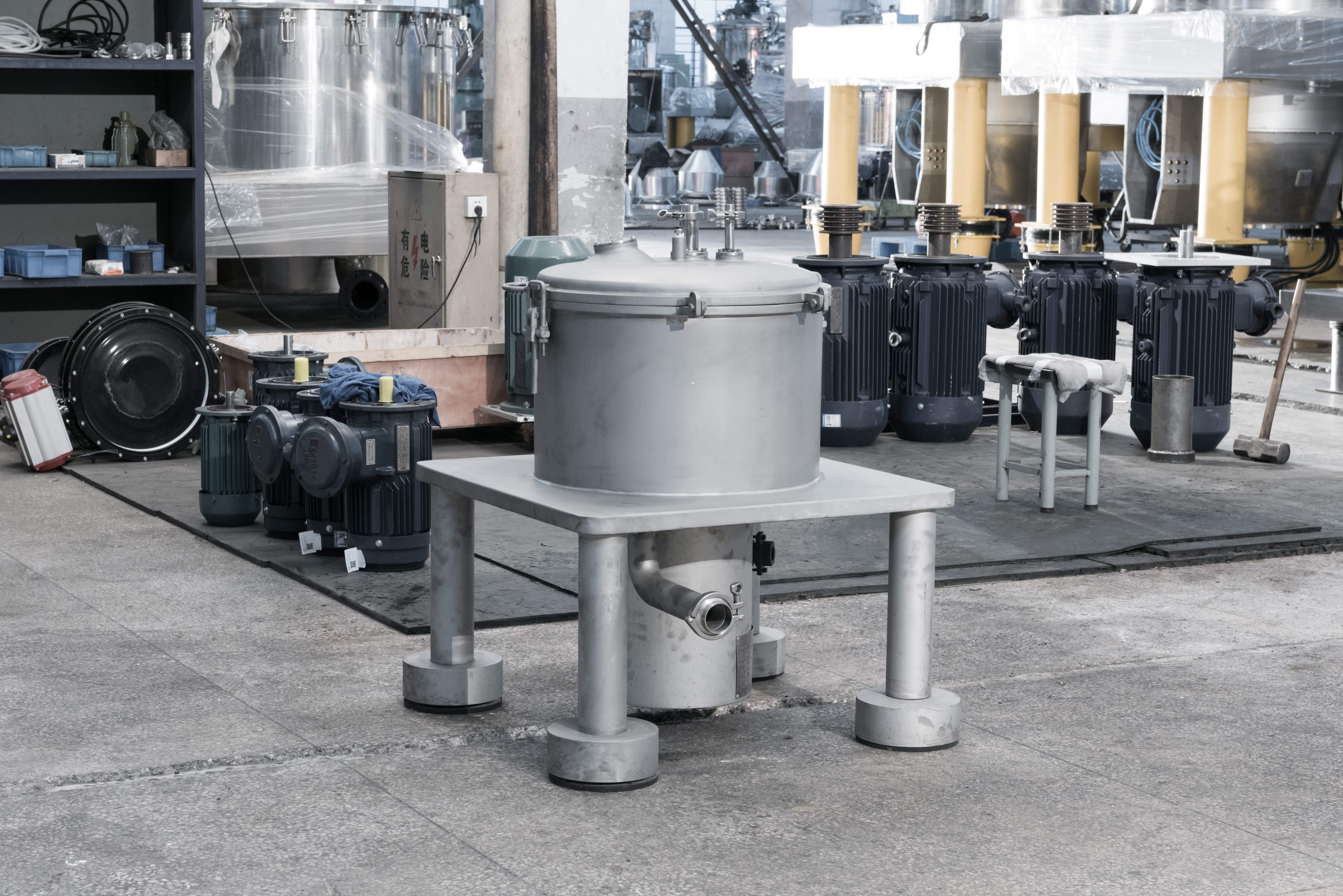
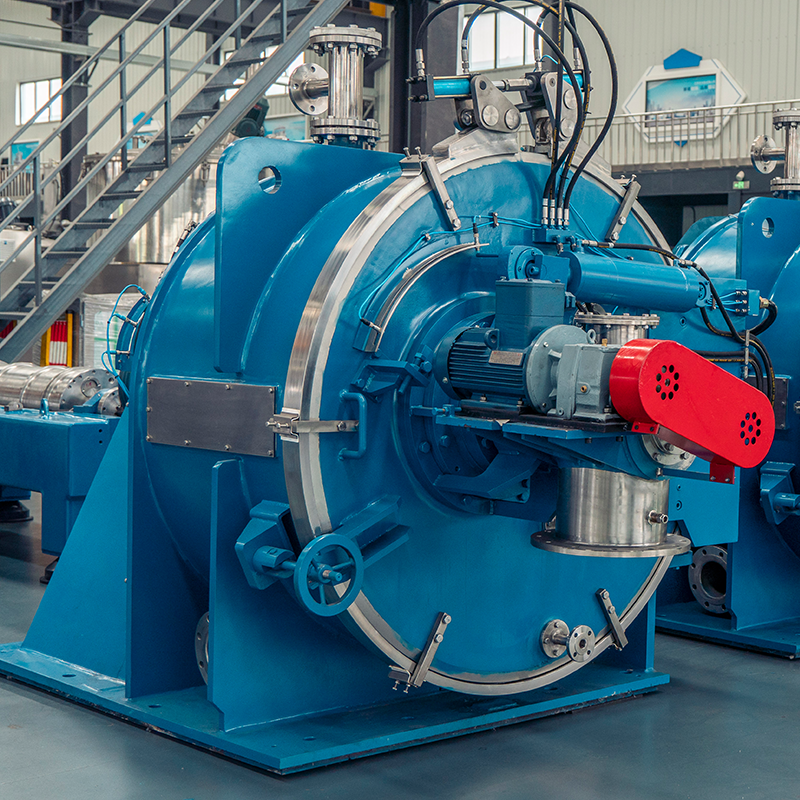
Bu ayniqsa konfiguratsiyaning qanchalik uzoq vaqt davom etishini ta'minlaydigan narsa — murakkab muammo ustida oddiy yondashuvdir. Murakkab gidravlik skreperlari yo'q, murakkab chiqarish trubalari yo'q va nosozliklarni aniqlash uchun doktorlik darajasiga ega bo'lish talab qilinadigan labirintsimon g'ishtlar yo'q. Operator har bir bosqichda nima sodir bo'layotganini aniq ko'rishi mumkin. Siz suspensiyani o'z idishga quyilishini kuzatishingiz, filtratning tozaligini kuzatishingiz va hatto idish devorida qatlam hosil bo'lganda uning qatlamining qanday holatda ekanligini ham ko'rishingiz mumkin. Bunday bevosita ko'rinib turish qobiliyati butunlay avtomatlashtirilgan, germetik sistemalar tomonidan hech qachon taqdim etilmaydi. Faol farmatsevtik moddalar yoki maxsus oziq-ovqat qo'shimchalari kabi yuqori qiymatli mahsulotlar bilan ishlaganda, yuvish siklining samarali ekanligini yoki qatlam namligining mos kelishini vizual ravishda tasdiqlash juda kuchli ishonch hissi uyg'otadi. Bu operatorni nazoratga qaytaradi, barcha narsani oldindan dasturlangan vaqt belgilagichlariga topshirib, eng yaxshi natijani kutish o'rniga. Albatta, bu kompromiss — bu partiyaviy (barcha operatsiyalar bir-biridan ajratilgan) apparatdir. U sikllar orasida to'xtaydi, chiqarish jarayonida operatorning mavjudligi talab qilinadi va u doimiy ishlaydigan sentrifugaga qaraganda hech qachon yuqori ish quvvatiga erisha olmaydi. Lekin ko'plab sohalarda bu kompromiss shu apparatning me'yorida ishlashi, tozaligi va moslashuvchanligi tufayli mutlaqo oqlanadi.
Dizayn yillar davomida sezilarli darajada rivojlangan, hatto asosiy ishlash prinsipi o'zgarmasdan qolsa ham. Bu uskunaning zamonaviy versiyalari, siz ularni to'g'ri boltlab qo'ymasangiz, fabrikaga o'tadigan eski uch oyoqli apparatlardan juda uzoqda. Zamonaviy modellar tekis, maydoncha shaklidagi bazalarga o'rnatiladi va vibratsiyani so'rib oladigan, hamma narsani barqaror tutadigan suyuqlik bilan to'ldirilgan dampirlarga ega bo'lib, katta beton asos talab qilmaydi. Materiallar ham dramatik tarzda yaxshilangan. Yuqori sifatli noodirlikka chidamli po'latlar, korroziv muhitlarga mo'ljallangan maxsus qotishmalar va hatto agressiv kimyoviy moddalarni qayta ishlaydiganlar uchun titan detallari ham endi standart variantlardir. Filtr materiali ham aqlliroq bo'ldi: bir necha qatlamli sintetik gazlamalar bugungi kunda oddiy paxta matolariga qaraganda yuqori oqim tezligi va uzunroq foydalanish muddati ta'minlaydi. Agar bu apparatning haqiqatan bajaradigan vazifasiga e'tibor bersangiz, u operatorni boshqaruvchi o'riniga o'tkazadigan, toza, ishonchli va boshqariladigan ajratish jarayonini ta'minlashdir. Ko'p sonli korxonalar, ayniqsa yuqori qiymatli mahsulotlarning kichik partiyalarini ishlab chiqaradiganlar uchun shu kombinatsiya aynan ularning ehtiyojini qondiradi.
Vertikal yuqori chiqishli markazdan qochma centrifugani sizning jarayoningizga mos kelishini baholaganda, chiroyli broshyuraga e'tibor bermasdan, haqiqiy tarixni aytadigan raqamlarga e'tibor qaratishingiz kerak. Birinchi va eng ochiq ko'rsatkich — ajratish omili, ko'pincha og'irlik kuchining bir necha baravar ko'rsatkichi sifatida ifodalanadi. Bu raqam apparatning sebetchadagi suyuqlik va qattiq qismlarga qanchalik kuchli ta'sir etayotganini ko'rsatadi. Odatdagi qo'llanilishlarda ajratish omillari taxminan 600 dan 1300 g gacha bo'lgan qiymatlarga yetishi mumkin. Ushbu raqam qanchalik yuqori bo'lsa, apparat shunchalik samarali bo'ladi — ayniqsa, mayda zarrachalar yoki qalin ona eritmasi bilan ishlayotganda, chunki ular osongina ajralmaydi. Kichik laboratoriya o'lchovdagi qurilmalar yana yuqori g-kuchlarga erisha oladi, shuning uchun ular ko'pincha ishlab chiqarish hajmini kengaytirishdan oldin jarayonni ishlab chiqish va sinovdan o'tkazish uchun ishlatiladi.
Lekin g-kuchi faqat qismi hisoblanadi. Suvni ajratish qutisining diametri va balandligi bir martalik yukda qancha material qayta ishlash mumkinligini belgilaydi. Kichikroq, 600 millimetrdan iborat quti har bir siklda faqat 60 kilogramm nam tortilgan massani qayta ishlashi mumkin, ammo kattaroq, 1500 millimetrdan iborat quti 800 kilogrammdan ortiq nam tortilgan massani qayta ishlashi mumkin. Bu ishlab chiqarish obyektida ishlayotganda juda katta farqdir, lekin kattaroq doim ham yaxshiroq emas. Kattaroq quti tezlanish va sekinlanish uchun ko'proq vaqt talab qiladi, bu esa sizning bir sikl davomingizni qisqartiradi. Shuningdek, u quvvatliroq dvigatel talab qiladi, bu esa ko'proq tok iste'mol qiladi va ishlatish xarajatlari yuqori bo'ladi. Har bir alohida ilovaga mos keladigan optimal hajm siz bir smenada necha marta yuklashni amalga oshirishingiz va keyingi jarayonlaringiz qancha yukni qayta ishlashi mumkinligiga bog'liq. Agar quritgichingiz bir vaqtda faqat 200 kilogrammni qayta ishlashi mumkin bo'lsa, 800 kilogramm nam tortilgan massani yuklab, uni namlikni yutib olishi uchun kutishga qoldirishning hech qanday ma'nosi yo'q. Siz sentrifuganing quvvatini boshqa ishlab chiqarish liniyangiz bilan moslashtirishingiz kerak.
Keyin qoldiq namlik masalasi bor. Aynan shu yerda ishlash samaradorligi baholanadi. Bir qurilma g'ovakni 20 foiz namlik bilan qoldirsa, boshqasi esa 10 foiz bilan qoldirsa, bu katta farq emas deb tuyulishi mumkin, lekin bu farq keyingi bosqichlarga juda katta ta'sir ko'rsatadi. Qo'shimcha suvni boshqa joyda, odatda katta miqdorda energiya iste'mol qiladigan quritgichda olib tashlash kerak bo'ladi. Markazga intilish qurilmangizda har bir foizni kamaytirish — bu keyinchalik to'lov qilmaslikka to'g'ri keladigan energiya miqdoridir. Qoldiq namlikni past darajada saqlash qobiliyati bir nechta omillarga bog'liq: g-kuchi, filtr materialining tanlovi va aylanish siklining uzunligi. Shuningdek, suyuqlik filtrdan o'tgandan keyin uni qanday yaxshi chiqarish mumkinligiga ham bog'liq. To'g'ri chiqarish kanallari va g'ovakni qayta namlanish yoki suv to'planishidan himoya qiluvchi yig'ish tizimiga ega yaxshi loyihalangan g'ovak qurilmasi oxirgi namlik miqdorida sezilarli farq qiladi. Aynan shu jihatlar oddiy aylanadigan qurilmalarni haqiqatan ham samarali ishlaydigan qurilmalardan ajratib turadi.
Texnik xarakteristikalarda keltirilgan raqamlar bitta narsa. Bu jihozni kun davomida, har kuni qanday ishlatish va texnik xizmat ko'rsatish — bu butunlay boshqa narsa. Bir necha yildan beri ishlab chiqarish sohasida faoliyat yuritayotgan har qanday zavod boshlig'i ishonchlilik va texnik xizmat ko'rsatishning osonligi ajratish samaradorligiga teng darajada ahamiyatli ekanligini biladi. Mashinaning kutib turgan paytda ishdan chiqishi sizning pastroq sotib olish narxidan kelib chiqqan iqtisodiy foydadan ancha ko'proq ishlab chiqarish yo'qotishlariga sabab bo'ladi. Yaxshi qurilgan vertikal yuqori chiqishli sentrifuganing avtomatlashtirilgan boshqa variantlarga nisbatan harakatlanuvchi qismlari nisbatan kam ekanligi — yaxshi yangilikdir. Unda faqat dvigatel, podshipniklar to'plami, tormoz tizimi va g'ildirak o'zidir. Shu hammasi. Dizaynning soddaligi bevosita buzilishi mumkin bo'lgan qismlarning kamayishiga va nimadir noto'g'ri ketganda muammolarni hal qilishning osonligiga olib keladi.
Yuqori chiqish konfiguratsiyasi shuningdek, texnik xizmat ko'rsatish va tekshirishni ajoyib darajada sodda qiladi. Siz filtrlash gazlamasining holatini tekshirishga ehtiyoj sezganingizda, faqatgina sharnirli qopqoqni ochib, ichiga qarashingiz yetarli. Siz mashinaning ostiga elektr fonar bilan kirib, yoki murakkab chiqish mexanizmini tushirib olishingiz shart emas. Agar gazlama almashtirilishi kerak bo'lsa, siz uni odatda oddiy qo'l asboblari bilan bir necha daqiqada almashtira olasiz. Bu ba'zi avtomatlashtirilgan tizimlarga nisbatan keskin ziddiyatdir, chunki ularda filtrlovchi materialni almashtirish soatlar davom etadi va maxsus xizmat ko'rsatuvchi xodimlarga ehtiyoj seziladi. Ko'p sonli zamonaviy mashinalarning keng ochiladigan dizayni operatorlarning fikr-mulohazalariga bevosita javobdir. Odamlar qulayroq kirish imkoniyatini istaganlar, shu sababli eshitgan ishlab chiqaruvchilar qopqoqlarni butunlay 90 gradus yoki undan ortiq ochiladigan qilib ishlab chiqdilar, bu esa tozalash va tekshirish uchun butun savatchani ochib beradi.
Tozalash — bu konfiguratsiyaning ayniqsa farmatsevtika va oziq-ovqat ishlab chiqarish kabi sanitariya talablari qat'iy talab qilinadigan tartibga solingan sohalarda yorqin namoyon bo'ladigan yana bir soha. Zamonaviy birliklar material to'planib, kontaminatsiya hosil qilishi mumkin bo'lgan shovqinli, yopiq joylar yoki teshiklar bo'lmasdan, silliq, polirovka qilingan sirtlar bilan loyihalangan. Ko'pchilikida ichki qismga tozalash eritmasini tarqatuvchi, sebetcha sekin aylanayotgan va barcha sirtlarni qo'lda chavdoqlash talab qilmasdan yuvib tashlaydigan o'rnida tozalash (CIP) tizimlari o'rnatilgan. Yopiq dizayn jarayonni cheklangan holda saqlaydi: mahsulotni atrof-muhit kontaminatsiyasidan va operatorlarni ehtimoliy xavfli moddalarga ta'siridan himoya qiladi. Volatil erituvchilar yoki toksik birikmalar ishtirok etadigan ilovalar uchun uskunalar azot bilan to'ldirish tizimlari va jarayon kamerasi ichida inert atmosferani saqlaydigan gazga chidamli sig'imalar bilan jihozlanishi mumkin. Bu xususiyatlar faqatgina qo'shimcha qulaylik emas. Ular nazorat organlari tomonidan belgilangan qat'iy standartlarga mos kelish uchun zarurdir va operatorlar hamda zavod boshliqlariga jarayonning xavfsiz va qonuniy ekanligiga ishonch beradi.
Oxir oqibatda, har qanday jihozning ishlash samaradorligini baholash qiymatga tayanadi. Bu faqat sotib olish buyurtumasidagi narx emas, balki ushbu mashinani uning butun xizmat muddati davomida egallash va boshqarish umumiy xarajatlarini anglatadi. Vertikal yuqori chiqishli sentrifugalar ko'pincha dastlabki kapital xarajatlarga qaraganda eng arzon variant emas. Bunday mashinalarga nisbatan oddiyroq va kamroq takomillashgan jihozlar mavjud bo'lib, ular dastlabki xarajatlari pastroq. Lekin bu tejamlar, odatda, yuqori texnik xizmat ko'rsatish talablari, tez-tez to'xtashlar va past ajratish samaradorligini hisobga olganda, tezda yo'qoladi. Ushbu toifadagi yaxshi loyihalangan mashinaning haqiqiy qiymati uning ishonchliligi, me'yorida mahsulotni qayta ishlashi va boshqaruv mosligi kombinatsiyasida namoyon bo'ladi.
Yengil ishlov berish jihati bir daqiqa o'ylab ko'rishni lozim qiladi. Ko'p hollarda, ayniqsa kristalli mahsulotlar bilan ishlashda qattiq zarralarning fizik butunligi juda muhimdir. Agar siz ajratish jarayonida kristallarni sindirib yoki ishqalab yuborsangiz, mahsulot sifatini buzishingiz yoki filtratsiya va quritishda keyingi bosqichlarda muammolarga sabab bo'lishingiz mumkin. Ushbu uskunalarda qo'l orqali chiqarish usuli — filtr qopqog'ini ko'tarib olish yoki tortish qatlamini ehtiyotkorlik bilan tozalash — qattiq zarralarga tabiiy ravishda yengil ta'sir qiladi. Bu yerda tortish qatlamiga tezlikda ishqalanuvchi qo'rqitgichlar yoki zarralarni bir-biriga qarama-qarshi siqib turuvchi vintli transportyorlar yo'q. Kristallar dastlabki ko'rinishida, ya'ni kirganidek chiqadi — bu siz yuqori darajadagi tozalikdagi dorivor vositalar yoki sifatli oziq-ovqat komponentlarini ishlab chiqarayotgan paytda aynan kerak bo'ladigan narsadir.
Moslashuvchanlik — boshqa katta sotish nuqtasi. Yagona apparat turli xil materiallarni keng doirada qayta ishlashga qodir bo'lib, keng ko'lamli o'zgartirish yoki qayta jihozlashni talab qilmaydi. Siz to'g'ri tozalash protokollariga amal qilsangiz, ertalab oziq-ovqat darajadagi sopolni, kechqurun esa maxsus kimyoviy o'rtacha mahsulotni qayta ishlashingiz mumkin. Filtr materialini bir necha daqiqada almashtirish orqali turli xil zarrachalar hajmi yoki kimyoviy moslikka moslashtirish mumkin. Ishlash tezligi odatda o'zgaruvchan chastotali dvigatellar yordamida sozlanadi, bu sizga har bir material uchun optimal g-kuchni tanlash imkonini beradi. Bu turdagi ko'p vazifalilik shartnoma asosida ishlaydigan ishlab chiqaruvchilar va ilmiy-tadqiqot laboratoriyalari uchun juda qimmatli, chunki ular keyingi hafta nima qayta ishlashlarini oldindan bilmaydilar. Shuningdek, bir xil liniyada bir nechta mahsulot ishlab chiqaradigan ishlab chiqarish korxonalarida apparatni qiyinliklarsiz moslashtirish imkoniyati bevosita aktivlarning foydali ishlatilishini oshiradi va investitsiyalarga yuqori foyda keltiradi.
Siz o'z korxonangiz uchun vertikal yuqori chiqishli markazdan qochma centrifugani tanlayotganda, o'z faoliyatini o'zi aytib beradigan ishlab chiqaruvchini qidiring. Bu texnologiyani o'nlab yillar davomida takomillashtirayotgan, asosiy innovatsiyalar bo'yicha patentlarga ega bo'lgan va dunyoning qiyin sharoitlarida muvaffaqiyatli ishlaydigan jihozlarga ega bo'lgan kompaniyalar — bu sizning ishonchingizni qozonishga loyiq kompaniyalardir. Barcha tafsilotlar ahamiyatli: savatchada ishlatiladigan zinkirli po'lat sifati, tebranishni yo'qotish tizimining muhandislik loyihasi, shuningdek, CIP va azot himoyasi kabi variantlarning mavjudligi. Uzoq muddatli foydalanishga mo'ljallangan, xizmat ko'rsatishni osonlashtirish uchun loyihalangan va sizning sohaningizni tushunadigan mutaxassislarning qo'llab-quvvatlaydigan uskuna — bu har qanday texnik xarakteristika varaqchasida aks etishi mumkin bo'lganidan ancha ortiq foyda keltiradi. To'g'ri jihoz — bu faqat xarid emas. Bu sizning jarayoningizni silliq, xavfsiz va foydali tarzda ishlashini ta'minlashda uzoq muddatli hamkor.
 Issiq yangiliklar
Huquqlarigi saqlangan © 2025 Jiangsu Huada Centrifuge Co., Ltd. Barcha huquqlar saqlangan Maxfiylik siyosati
Xitoy, Jiangsu viloyati, Zhangjiagang shahri, Yangshe tumani, Qigan yoli 88-uy
Huquqlarigi saqlangan © 2025 Jiangsu Huada Centrifuge Co., Ltd. Barcha huquqlar saqlangan Maxfiylik siyosati
 EN
EN
 AR
AR
 HR
HR
 CS
CS
 DA
DA
 NL
NL
 FI
FI
 FR
FR
 DE
DE
 EL
EL
 HI
HI
 JA
JA
 KO
KO
 NO
NO
 PL
PL
 PT
PT
 RO
RO
 RU
RU
 ES
ES
 SV
SV
 TL
TL
 ID
ID
 LT
LT
 SR
SR
 SK
SK
 UK
UK
 VI
VI
 HU
HU
 TH
TH
 TR
TR
 FA
FA
 MS
MS
 IS
IS
 LO
LO
 LA
LA
 MN
MN
 MY
MY
 KK
KK
 UZ
UZ
 IT
IT