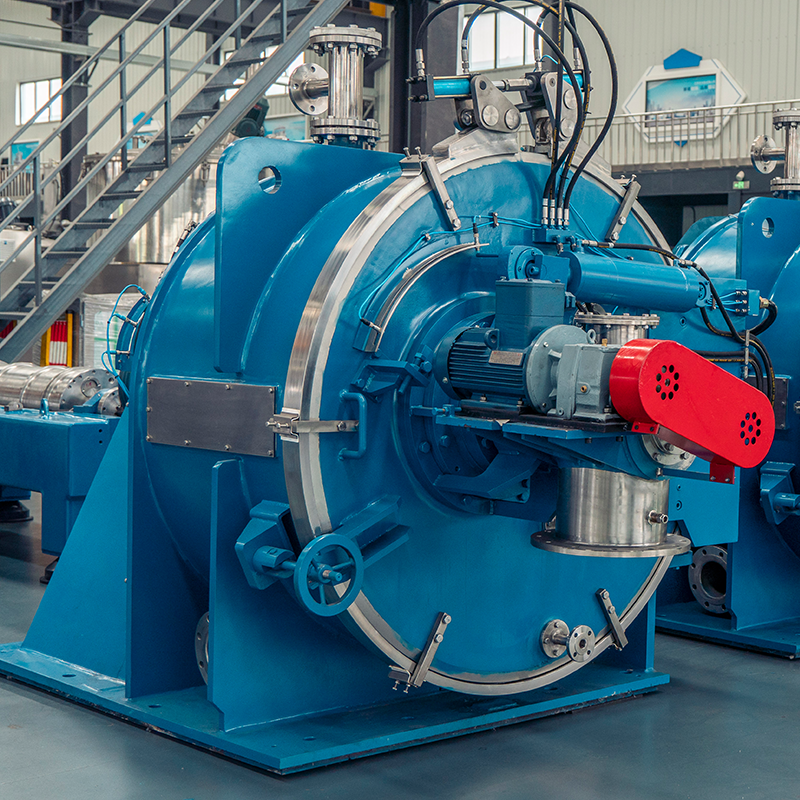
If you are working in the chemical industry, food processing, or pharmaceuticals, you have probably lost sleep over one specific problem: how to separate solids from liquids without wasting product or contaminating the next batch. It sounds simple in theory, but when you are dealing with fine crystals, sticky pastes, or expensive active ingredients, standard filtration methods often fall short. That is precisely where a bag pulling centrifuge steps in to save the day. Think of it as the upgrade you did not know you needed from those older manual top discharge machines.
Unlike traditional centrifuges that rely on a scraper to just knock the solids off the wall of the basket, this clever piece of machinery uses a specialized filter bag or liner inside the drum. When the cycle ends, the system literally pulls the entire bag outward or uses a mechanism to remove the residual cake that the scraper missed. This means you are not just getting most of the material out; you are getting practically every last gram. For anyone handling high value products like antibiotics or vitamins, this difference translates directly into higher yield and fatter profit margins. But the real magic is not just about recovery—it is about what comes next. Since the bag can be fully regenerated or replaced quickly, you completely eliminate the risk of cross contamination between different batches. In a regulated industry where GMP standards are the law of the land, that level of containment and cleanliness is absolutely non negotiable.
You will find these machines working hard behind the scenes in some pretty demanding environments. Whether it is separating crystallized materials in a pharmaceutical plant, dewatering sludge in wastewater treatment, or handling volatile chemicals where exposure needs to be zero, this technology is the quiet workhorse that keeps production lines moving smoothly. They are built to handle the tough stuff—high viscosity, fine particle sizes, and even flammable materials—without breaking a sweat. And let us be honest, in a world where labor is expensive and downtime is the enemy, anything that automates the messy stuff and keeps the plant running 24/7 is worth its weight in gold. So before you even look at a spec sheet, understand this: you are not just buying a machine; you are buying peace of mind about your product quality and your bottom line.
Okay, so we know the textbook definition, but what is it actually like to live with one of these beasts on the factory floor? If you talk to the operators and maintenance crews who actually push the buttons and pull the bags, you will get a much more honest picture than any glossy brochure can paint. And what they will tell you first is that maintenance and safety get a massive upgrade compared to the old guard of centrifuges. The core benefit here is containment. Because the solids are caught and often removed inside that liner bag, you drastically reduce operator exposure to dust, fumes, or hazardous materials. A supervisor in a specialty chemical plant might tell you that containing the cake inside a bag before any manual handling happens has cut their batch changeover time by hours and made their safety officer breathe a whole lot easier.
Then there is the question of versatility. User feedback constantly highlights just how adaptable this bag pulling centrifuge setup really is. You might be running fibrous materials that would clog a standard screen in minutes, or sticky compounds that refuse to let go of metal walls. The beauty of the bag system is that it gives you a clean slate every single time. One minute you are processing a food grade ingredient, and the next you are switching over to a completely different chemical intermediate without any fear of leftovers messing up the new recipe. This is a game changer for contract manufacturers or any facility that handles small, high value batches rather than one continuous mega volume product. Plus, you have the flexibility to choose bag materials that suit your specific chemical environment—it is like having a custom suit tailored for your separation needs instead of an off the rack jacket that pinches in all the wrong places.
However, let us keep it real for a second. Operators also value the hands on transparency this system provides. You can actually see the cake consistency and moisture level right when you pull the bag. This immediate, visual feedback loop is something a fully automated, sealed system just cannot offer. If the batch looks a little too wet, the technician knows right away to tweak the spin time on the next cycle. But you have to be honest about the flip side, too. This is not a fully automated "set and forget" magic box. There is still a manual component to handling the bags, especially on larger machines where those dense filter cakes can get heavy. That is why smart buyers look closely at the ergonomics of the design. You want a machine where the access points are easy to reach and the bag pulling mechanism is smooth, not a back breaking wrestling match every shift. A good design takes the heavy lifting out of the equation, leaving you with just the clear visibility and pure product.
Here is a hard truth that every plant manager knows: the initial purchase price of a piece of equipment is almost irrelevant compared to what it costs to own and run over the next decade. When you are evaluating a bag pulling centrifuge, you need to be looking at the guts of the machine—the engineering that determines whether it is going to be a reliable partner or a constant headache. Reputable manufacturers in this space don't just slap a motor on a drum and call it a day. They sweat the details that you might never see, like the quality of the stainless steel used to resist corrosion from those aggressive chemical solvents you are working with. And it is not just about the material; it is about precision. We are talking about a drum spinning at incredibly high speeds, generating forces that would rip a poorly balanced machine apart. If the welding is sloppy or the rotating components are even slightly off balance, you are going to feel it in the floor of your plant—and in your maintenance budget.
The real difference makers in this market have spent decades refining their approach. You want a partner who has been in the trenches for thirty plus years, someone who has seen every weird application from municipal sludge to gourmet food powders and built a product line to match. This kind of experience shows up in the small things that make a huge difference in daily operation. For instance, modern iterations of these machines have moved far beyond simple "pull and load" functions. Advanced systems now include sensor arrays that check if a new bag is properly seated before the machine even starts spinning. If the bag is misaligned or the door is not fully sealed, the system just refuses to go—saving you from a catastrophic spill or a ruined batch. That is the kind of intelligence that prevents the dreaded 3 AM phone call saying production is down.
And speaking of production being down, let us talk about the filter media itself. This is a consumable, yes, but it is also a critical performance factor. The latest advancements in bag technology are using multilayer, high density fabrics that can trap particles down to the 5 micron range while allowing liquid to flow freely. This might sound like technical jargon, but in practice, it means those filter bags are clogging less often and lasting through more batches before you have to swap them out. For a high volume chemical plant, reducing bag changes from three times a shift to once a day is a huge win for labor efficiency and process stability. When the separation is that clean, the final product is more consistent, and the downstream drying steps become faster and cheaper. This is how a well built bag pulling centrifuge pays for itself—not with a flashy marketing promise, but with a quiet, measurable improvement to the bottom line every single shift.
So, you have decided that this technology fits your process. Now comes the tricky part: wading through the sea of brands and spec sheets to find the right machine. The market for industrial separation equipment is pretty crowded, and frankly, not all centrifuges are created equal. There are plenty of options out there from various manufacturers, and you will find a wide range of capabilities and build qualities. But if you dig into the projects that matter—the ones with strict GMP and FDA requirements, the ones in highly corrosive environments—a few names consistently rise to the top. These are the companies that have invested heavily in R&D and hold significant intellectual property portfolios, with dozens of patents specifically related to bag pulling mechanisms and centrifuge efficiency.
When you are sorting through the contenders, you should be looking for a manufacturer that doesn't just sell you a machine and disappear. The best partners in this industry are the ones with deep engineering benches and a global footprint. Think about it: a company that has exported equipment to dozens of countries and has a team of service professionals with decades of on site experience has seen it all before. They have likely encountered your specific separation headache somewhere in the world and already know how to tweak the design to handle it. That kind of institutional knowledge is incredibly valuable when you are trying to dial in the perfect spin cycle for a new product. You are not just paying for steel; you are paying for the know how that stops you from making expensive mistakes.
Look for the hallmarks of a true specialist. Do they have a flagship series that the industry respects? For example, some brands have made a name for themselves with specific series that offer fully automatic bag pulling and scraper discharge in one streamlined unit. These machines are designed to keep that filter bag in a regenerated state cycle after cycle, drastically reducing the risk of cross contamination that plagues older designs. And we are not talking about flimsy gear here. We are talking about heavy duty equipment designed for large disposal capacity, with surfaces polished to a mirror like finish to meet the strictest sanitary standards. It is this combination of robust build quality, intelligent automation, and a genuine understanding of the real world challenges in pharma, chemical, and food processing that separates the pretenders from the true champions. Whether you are running a massive chemical complex or a boutique pharmaceutical lab, doing your homework on the engineering pedigree behind the nameplate will make sure your bag pulling centrifuge is the start of a long, profitable partnership rather than a costly learning experience.
 Hot News
Copyright © 2025 Jiangsu Huada Centrifuge Co., Ltd. All Rights Reserved Privacy policy
No. 88 Qigan Road, Yangshe Town, Zhangjiagang City, Jiangsu Province, China
Copyright © 2025 Jiangsu Huada Centrifuge Co., Ltd. All Rights Reserved Privacy policy
 EN
EN
 AR
AR
 HR
HR
 CS
CS
 DA
DA
 NL
NL
 FI
FI
 FR
FR
 DE
DE
 EL
EL
 HI
HI
 JA
JA
 KO
KO
 NO
NO
 PL
PL
 PT
PT
 RO
RO
 RU
RU
 ES
ES
 SV
SV
 TL
TL
 ID
ID
 LT
LT
 SR
SR
 SK
SK
 UK
UK
 VI
VI
 HU
HU
 TH
TH
 TR
TR
 FA
FA
 MS
MS
 IS
IS
 LO
LO
 LA
LA
 MN
MN
 MY
MY
 KK
KK
 UZ
UZ
 IT
IT