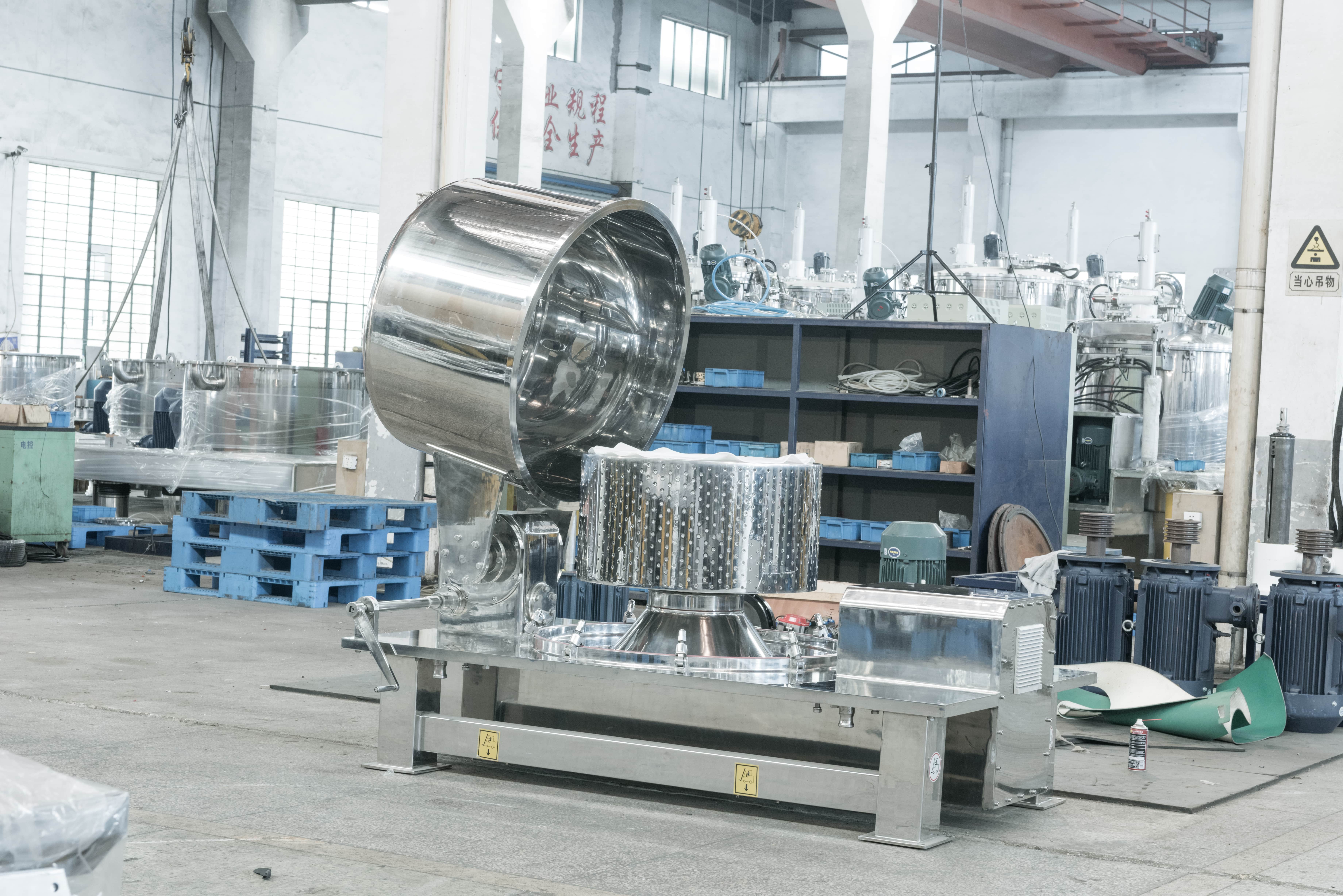
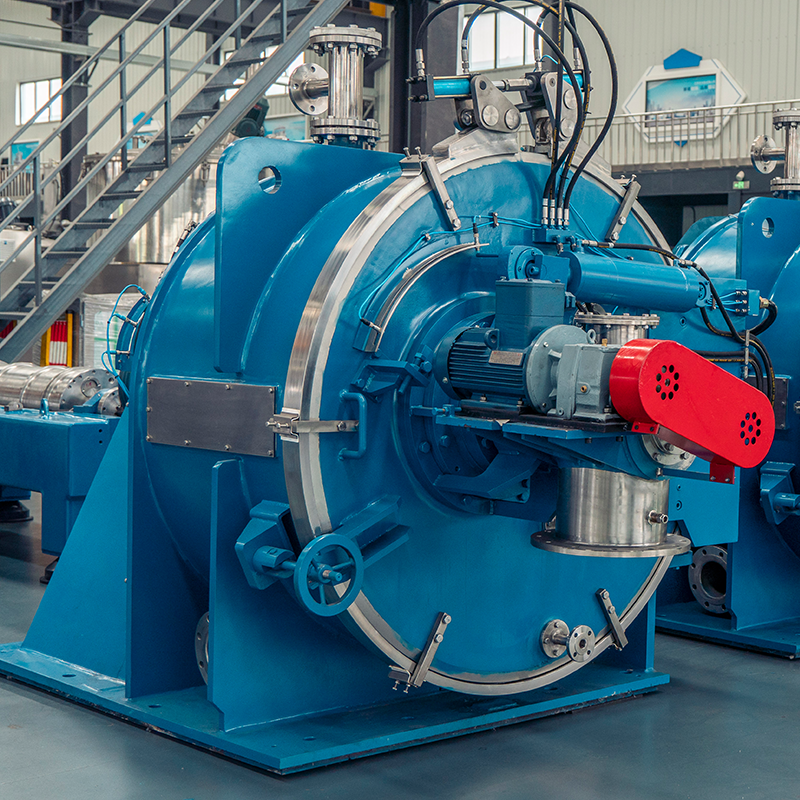
The idea of preventative maintenance in the centrifuge's life cycle proves true the most in the world of profit-based industrial processing. Downtime is a loss. Assuming is the fastest path to a loss. In the case of the vertical upper discharge centrifuge that uses high forces to achieve continuous solid-liquid separation, the absence of maintenance is the equivalent of financial gambling and will lead to machine failure and financial loss.
The centrifuge is the core of the separation line. Like the human body, a centrifuge's heart should be pumped regularly, and that regular maintenance should be logged, documented, and consistent. The machine should be one that operates continually, and a consistent maintenance schedule will provide operational longevity, steady and consistent product output, and will protect the investment of the company.
Finally, maintenance moves the mindset to a predictive and preventative approach from the reactive, 'fix it when it breaks' approach. Sufficient maintenance will provide the opportunity to fix small issues, like a small seal leak or a slight vibration, and will save the company from numerous days or weeks of production downtime. Most importantly, the machine maintenance schedule provides operational, financial, and production security.
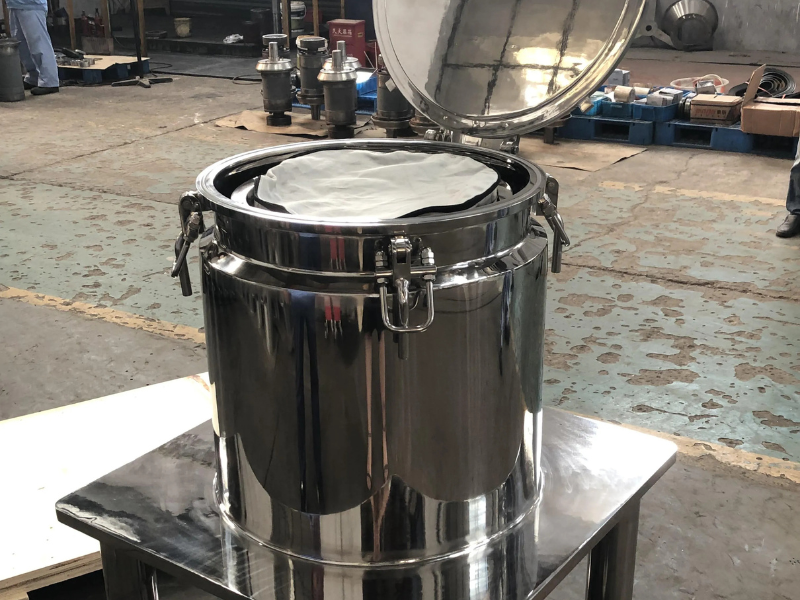
Simple and basic maintenance tasks make the formation of a great maintenance program and are the first line of defense against unforeseen failures. These checks are usually done by operators that use the machines every day and are the first line of defense. Here, consistency is key.
Before you start the machine, take a look at the machine and the surrounding area, and inspect are any process fluid, oil, or lubricant leaks. Ensure that all of the machine's safety covers, tools, and loose debris are in their proper places to keep the area safe. Another area that is important to listen to are the machines, any of the machines in use can be great diagnostic candidates with their noise production. Any unusual noise such as a grinding, knocking, or whining should be taken note of. Once you have started the machine, keep on the look out for the control panel to make sure it is stable and the current usage registered by the main drive motor is normal. Any sudden changes with the amp reading could mean that the machine is having a mechanical issue.
Each week, allocate additional time towards a more thorough inspection. This means a more in-depth sight examination of key elements. Check the discharge chute and housing for any accumulation of processed materials that could cause blockages and cause imbalance. Look over all visible bolts and fasteners for tightness, as they can become loosened from vibrations over time. Check for any signs of wear, cracking, or that they are out of alignment in the drive system belts or drive couplings. A quick inspection of the lubrication system of the drive system is a good weekly practice. These simple ongoing actions establish a baseline of normal functioning. This makes it much easier to detect abnormal signs of operational deviation.
Although weekly and daily observations are important, some tasks will require the system to be taken offline. This is where monthly and quarterly maintenance comes into play. These tasks are typically more detailed and should be carried out by qualified maintenance personnel and following all lockout tagout protocols for maximum safety.
Lubrication is a major monthly consideration. Look at the manufacturer's booklet to find details on the grease points and the lubrication suggested. It's just as detrimental to over grease as it is to under grease, so be careful to go by the booklet. Monthly lubrication is crucial as it ensures bearings and other internally heat generated moving apparatuses are protected from the lubrication extremes. Cleaning, as best as is practical, the outside and, internally, the accessible areas, if any, is also another important monthly unit. Dust, dirt, and other residual process materials should also be removed. This is especially important to keep corrosion from occurring. It improves the heat dissipation and improves visual access to the machine’s components. Cleaning also helps maintain a professional and safe working environment.
Every 3 months, a deep inspection is due, as it is a perfect opportunity to look at the mechanical seals to see if there has been any leakage or if there is any wear. Look at the filter screens or cloths, if there is any, to see if there is any significant wear or if there is too much clogging that cleaning cannot fix it; also, be sure to replace it, if there is any. Check to see if the drive motor is aligned with the main spindle. Misalignment is a major cause of vibration, and is a major cause of failure within the bearing. Measure and fix it as it needs to be corrected. This is also a good time to look electrically and see if the connections are tight with any signs of overheating and to see if any safety interlocks or emergency stops are available, and if they are working correctly. All the things that are examined and documented during these quarter inspections are significant for monitoring the health of the machine for the future.
The climax of a preventative maintenance program is the annual overhaul. This is no small service; this overhaul consists of a complete and thorough breakdown, inspection, and service of the centrifuge to complete the refurbishment. This requires planning, with the right parts available, and the right skill level of service people, as the goal is to refurbish the machine for continued reliability for another year of sustained operations.
Per the manufacturer's disassembly instructions, the centrifuge is fully disassembled during the Annual Overhaul. The main drum bearings, one of the most important components, are inspected, and often replaced, as a precaution, regardless of their condition. The rotating assembly, which contains both the drum and spindle, should be inspected for signs of fatigue and corrosion as well as checked for balance. Every seal, gasket, and O-ring is replaced during this time. The frame and base's structural integrity are checked for any stress cracks or points. This is costly and time-consuming, but far less expensive than a catastrophic mid-production failure.
Your maintenance management system should keep a living maintenance history on each machine and piece of equipment, this can mean keeping a physical logbook or using a digital system to log every maintenance check, observation, parts replaced, and adjustments made. This maintenance history is useful in mitigating costs by predicting when a machine or piece of equipment is going to need spare parts. It is also useful in diagnosing recurring problem, if any, by getting to the root cause rather than siding with simply treating the symptoms. It is also important to review the maintenance schedule and make changes to it. If you notice any specific parts or equipment that are experiencing wear much quicker than you were anticipating, it can mean that you need to inspect them on a more regular basis. Having a change is important to make sure that the equipment you are using is going to stay top of the line for as long as possible.
 Hot News
Copyright © 2025 Jiangsu Huada Centrifuge Co., Ltd. All Rights Reserved Privacy policy
No. 88 Qigan Road, Yangshe Town, Zhangjiagang City, Jiangsu Province, China
Copyright © 2025 Jiangsu Huada Centrifuge Co., Ltd. All Rights Reserved Privacy policy
 EN
EN
 AR
AR
 HR
HR
 CS
CS
 DA
DA
 NL
NL
 FI
FI
 FR
FR
 DE
DE
 EL
EL
 HI
HI
 JA
JA
 KO
KO
 NO
NO
 PL
PL
 PT
PT
 RO
RO
 RU
RU
 ES
ES
 SV
SV
 TL
TL
 ID
ID
 LT
LT
 SR
SR
 SK
SK
 UK
UK
 VI
VI
 HU
HU
 TH
TH
 TR
TR
 FA
FA
 MS
MS
 IS
IS
 LO
LO
 LA
LA
 MN
MN
 MY
MY
 KK
KK
 UZ
UZ
 IT
IT