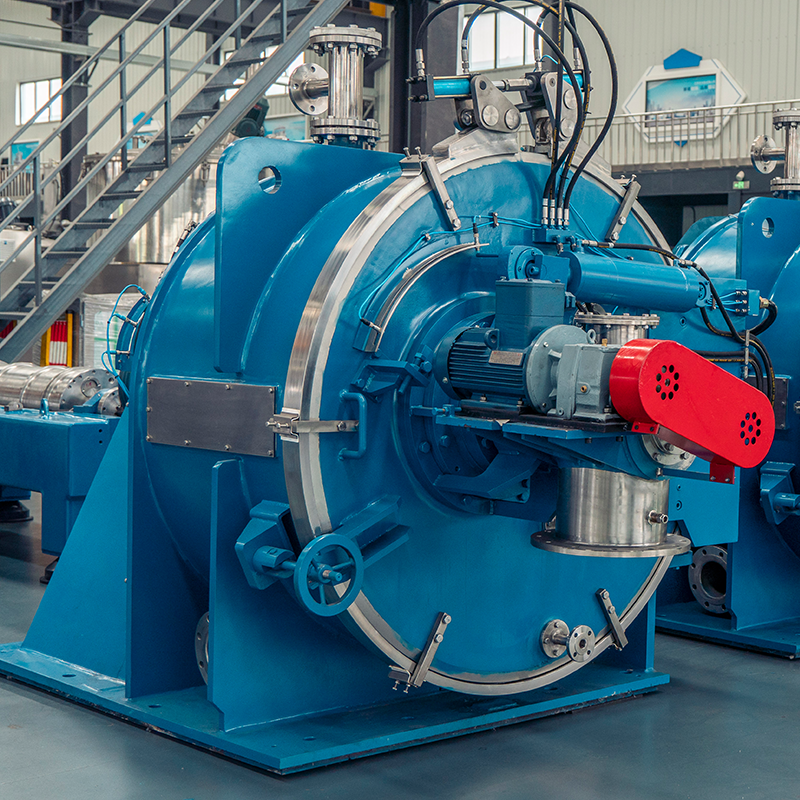
Добио си одличан избор куповином центрифуге за декантер како би побољшао свој процес одвајања чврсте течности! Ово је велики корак у побољшању ваше оперативне ефикасности. Међутим, један аспект куповине који се често занемарује је инсталација. Цене своју нову центрифугу као висок спортски аутомобил. Можете да наплатите аутомобил најбољом технологијом, али ако је усавршавање неисправно или гуме нису уравнотежене, никада нећете доживети пуни потенцијал аутомобила, а можда ћете га чак оштетити. У том смислу, исправна инсталација је подешавање за вашу опрему за центрифугу за декантер. Уградња је линија јаза између дизајнерске софистицираности фабрике и поузданости и продуктивности услуге коју очекујете од ваше инсталације коју ће ваша фабрика направити. У том смислу, ако не уградите правилно, биће проблема као што су прерано хабање, прекомерна вибрација, лоше перформансе раздвајања или чак скупо непланирано време простора. У овом чланку ћемо разговарати о важним стварима које треба узети у обзир како би се ваша инсталација урадила правилно први пут.

Пре него што камион стигне, треба да имате место за декантер. Ово није само о чишћењу простора. Ово је о томе да се уверите да имате чврсту, стабилну и једнаку основу за декантер, како бисте осигурали оптималну перформансу раздвајања.
Прво, пажљиво проверите дизајнерске цртеже и цртане темеље. Ово ће бити ваши најважнији документи током овог корака радног тока. Основа мора бити довољно велика да апсорбује оперативне вибрације. Потребан вам је чврст бетонски блок који тежи 2-3 пута тежину центрифуге. Мора бити равна и изолована од других зградних конструкција како би се избегло преношење вибрација, и мора бити апсолутно крута.
Пре инсталирања центрифуге, уверите се да је на планираној локацији довољно простора за обављање будућих активности одржавања. Размислите да ли је довољно простора да бисте уклонили главни ротор или конвејер. Да ли је довољно простора изнад главе за кран? Да ли постоје неометани путеви за путовање у проток, за испајање и за испуштање колача? Такође, имајте на уму потенцијал за диме и обезбедите довољно вентилације и температуру околине која је у одређеном опсегу. Што си боље припремљен у овој фази, то ће ти бити боље касније.
Дан испоруке је узбудљиво време, али будите опрезни. Када инсталирате центрифугу, увек користите одређене тачке подизања означене на оквирима. Не подигајте машину цев, мотором или било којим помоћним причвршћивањем.
Након слетања близу дестинације, погледаћемо прелиминарно постављање. Ако је јединица монтирана на заједничку основу поред свог покретача, овај задатак је мало лакши. Користите алате за изравњавање на главном оквиру или основном плочи машини. Толеранција за изравњавање може бити изузетно блиска, обично око 0,2 мм по метру, па проверите све правце. Не прескакајте овај корак, јер неодређеност ствара неуравнотежену неравнотежу. Пре завршног залепљења или закотвења, проверите двоструко усклађеност између центрифуге и система покретања (ако су одвојени) и проверите тачке свих зглобова према дијаграмима цеви.
Са центрифугом грубо постављеном и изравњеним, можемо се кретати да је задржимо. За већину индустријских декантера, то значи несушајућу калу и неке закотвење. Анкер бутоне треба да буду постављени у темељу према цртежу, и постављени у рукава или шаблоне како би се омогућило мало завршно подешавање.
Укопавање је уметност. Основни блок треба очистити и грубо направити на месту на којем ће се налазити основна плоча. Пре сипања, поставите каламбус око периметра основне плоче који ће држати пљову. Користите или епоксидни калам или цементитан калам који је јак и не свије. Заједно се залива каша и пушта се да слободно тече испод целе основне плоче тако да не остају ваздушни џепови. То омогућава да се на површини која носи терет равномерно поддржи тежина, што оштришава целу конзолу. Када се залепка заздрави према спецификацијама, можете равномерно заглавити буљке на одређени торк. Након тога, проверите ниво поново јер се може десити нека промена.
Центрифуга је чврста, али је острво. Време је да се повеже његове животне линије.
За цеви, то укључује више од простог повезивања црева. Правилно цевирање је од кључног значаја за елиминисање било каквих спољних напора који се могу пренети на млазнице центрифуге, јер то може довести до оштећења кућишта или погрешног усклађивања унутрашњих делова. Користите флексибилне спојке или спојке за проширење како бисте изоловали ефекте вибрације. Линија за добавање захтева посебну пажњу јер често захтева константан, контролисани притисак за добавање. Најбоља је пракса инсталирање мерила проток хране и контролног вентила. За линије и пуњење колача, осигурајте да су одговарајуће величине и да имају јасан пут који се користи за гравитацију до њихових локација пуштања како би се елиминисао ризик од контранатиска или заткривања.
Само квалификовани електричари могу да обављају електрична веза и морају да се придржавају локалних прописа, као и дијаграма жица за машину. Напетост и фреквенција напајања морају одговарати захтевима мотора. Заземљавање центрифуге мора бити извршено, а стабилност система управљања зависи од тога. Прикључите контролну панелу и проверите да ли су све безбедносне блокиране уређаје (укључујући прекидаче за поклопце или сензоре вибрација) повезане како је потребно. Прикључите комуналне уређаје, као што је ваздух инструмента на контролне вентили, ако је потребно, и хладну воду на воде хладне главне лежајеве. Проверите да ли су проток и притисак прави.
Скоро си завршила, али још увек не би требало да притискаш то дугме за почетак. Завршавање детаљне контролне листе пре пуштања у рад је последњи корак да бисте стекли поверење да ће ваши системи радити како је намењено.
Уключите системе и ручно окренуте конвејер и посуду. Уверите се да ништа није обавезујуће или да је на било који начин унутрашње. Уверите се да сви мотори окрећу у правом правцу, јер многе грешке у послу могу довести до непосредних и неизбежних оштећења система. Проверите да ли су сви мастила за мењаче и лежање у одговарајућем опсегу и да ли су пуњена само мастилима у складу са упутствима произвођача.
Након што се сви ваши системи искључе, прво укључите помоћне системе: активирајте хидраулички или систем уља, започните проток воде за хлађење и проверите да ли је контролни ваздух укључен. Проверите пулс за било какво цурење. Затим, са само мотор за покретање посуде активиран, пустите га да се на неколико тренутака повећа на радну брзину. Будите пажљиви и слушајте бучење вашег система за декантере. Ако имате тако нешто, користите вибрационо средство да бисте се уверили да је први вртеж у одговарајућем опсегу за вибрације. Када се посуда наступи на оперативну брзину, активирајте конвејерски погон. На крају, након што су све ове операције система проверена, сипајте неколико процених квота или воде и пратите систем на промене температуре.
Детална инсталација која испуњава све захтеве није додатни трошак; то је, напротив, инвестиција. Она отвара пуну оперативну перформансу, штити текућу оперативну ефикасност и стабилан проток и штити ваше инвестиције. Са годинама искуства, Хуада разуме да је правилно инсталирана машина први корак ка одржавању стопе задовољства клијената од преко 98% на коју се они поносе. Управо је урадити први пут пружа основу за дуготрајне, продуктивне односе са вашим највреднијим аситом раздвајања.
 Топла вест
Ауторско право © 2025 Цхиансу Хуада Центрифуга Цо, Лтд. Сва права задржана Политике приватности
Управо је ушао у Цхиан-Цхиан-Цхиан-Цхиан-Цхиан-Цхиан-Цхиан-Цхиан-Цхиан-Цхиан-Цхиан-Цхиан-Цхиан-Цхиан-Цхиан-Цхиан-Цхиан-Цхиан-
Ауторско право © 2025 Цхиансу Хуада Центрифуга Цо, Лтд. Сва права задржана Политике приватности
 EN
EN
 AR
AR
 HR
HR
 CS
CS
 DA
DA
 NL
NL
 FI
FI
 FR
FR
 DE
DE
 EL
EL
 HI
HI
 JA
JA
 KO
KO
 NO
NO
 PL
PL
 PT
PT
 RO
RO
 RU
RU
 ES
ES
 SV
SV
 TL
TL
 ID
ID
 LT
LT
 SR
SR
 SK
SK
 UK
UK
 VI
VI
 HU
HU
 TH
TH
 TR
TR
 FA
FA
 MS
MS
 IS
IS
 LO
LO
 LA
LA
 MN
MN
 MY
MY
 KK
KK
 UZ
UZ
 IT
IT